
The case for more Fed rate cuts could rest on a ‘systematic overcount’ of jobs numbers
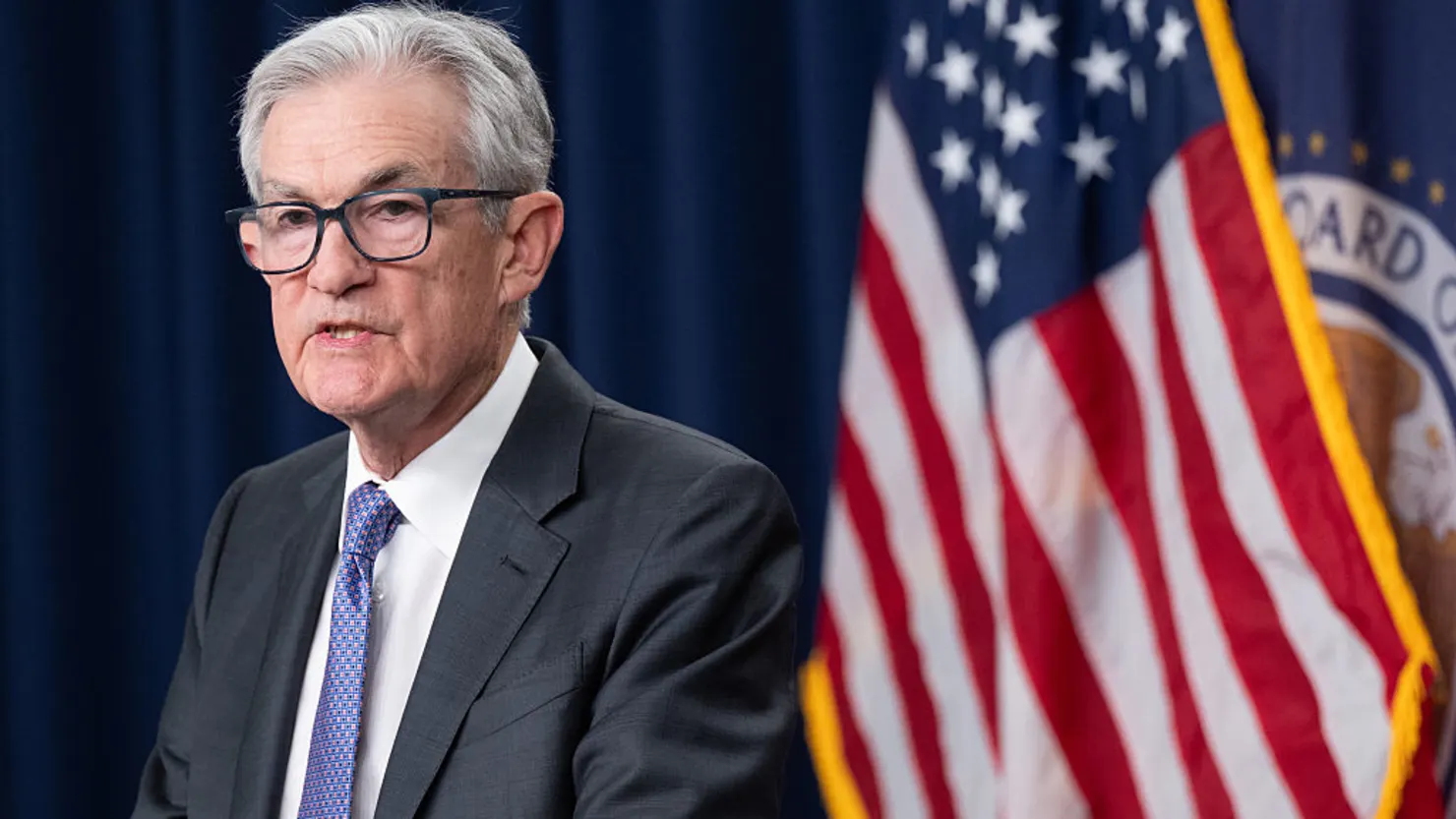
US Federal Reserve Board Chairman Jerome Powell speaks during a news conference following a Federal Open Market Committee (FOMC) meeting in Washington, DC, on Dec. 10, 2025.
In a signal that concerns over employment are outweighing persistent inflation, the Federal Reserve voted 9-3 on Wednesday to cut its benchmark interest rate by a quarter percentage point. The decision, and the outlook for 2026, hinges on growing evidence that job growth has been significantly overstated—a revelation that could shape a more accommodative policy path ahead.
Chair Jerome Powell emphasized at his press conference that the labor market has continued to cool "gradually, just a touch more gradually than we thought." He pointed to a critical discrepancy: the Bureau of Labor Statistics' birth-death model has likely overcounted jobs by about 60,000 per month since April. Given average monthly job gains of just under 40,000 in that period, this suggests the economy may have actually been shedding around 20,000 jobs per month.
A "Systematic Overcount" with Major Implications
Powell described the issue as a "systematic overcount" that will likely lead to substantial downward revisions. A preliminary benchmark estimate released in September indicated payrolls were overstated by 911,000 in the year through March 2025, with a final revision due in February.
"In a world where job creation is negative, I just think we need to watch that situation very carefully," Powell said, underscoring that the Fed does not want its policy to further suppress job growth. This heightened focus on labor market fragility suggests the central bank is prepared to act even with inflation still above its 2% target, especially as Powell attributed much of the price pressure to Trump administration tariffs—a factor expected to fade.
Diverging Paths on the Committee
The Federal Open Market Committee revealed a stark division in its latest "dot plot." Seven of nineteen participants see no rate cuts in 2026, while others anticipate further easing. This split reflects the challenging policy balance between supporting a softening labor market and ensuring inflation returns sustainably to target.
Market participants, however, are betting on a more dovish trajectory. Pricing indicates the next cut could come as early as April 2026, with traders assigning a 41% probability of three cuts next year—more aggressive than the median Fed projection of one reduction. "We think the Fed will continue cutting to arrest further softening in the labor market," said Christopher Hodge of Natixis, who sees a January cut as "more likely than not."
The Powell Factor and the 2026 Outlook
With Powell's term as chair ending in May 2026, the coming months will set the stage for a pivotal transition. Should the revised jobs data confirm sustained weakness and tariff-driven inflation subsides, the Fed is likely to maintain an easing bias to prevent a sharper downturn in employment. This approach prioritizes economic stability, even amid internal dissent from more hawkish members focused squarely on inflation.
The Fed's current path suggests that for 2026, the labor market imperative may ultimately dominate the policy calculus, setting the scene for potential further rate cuts if unemployment rises as expected.
Recent
News



Newsletter
Subscribe to our mailing list to get the new updates!

Subscribe our newsletter to stay updated
Most
Reviews
Business

Analysis

Markets

Business

Business