
Unshaken: Why Brazilian stocks have looked past the Venezuela attack
Despite a dramatic U.S. military intervention in Venezuela that captured the country's president and raised global concerns over international law, financial markets in neighboring Brazil have shown remarkable resilience, with key indices climbing since the event.
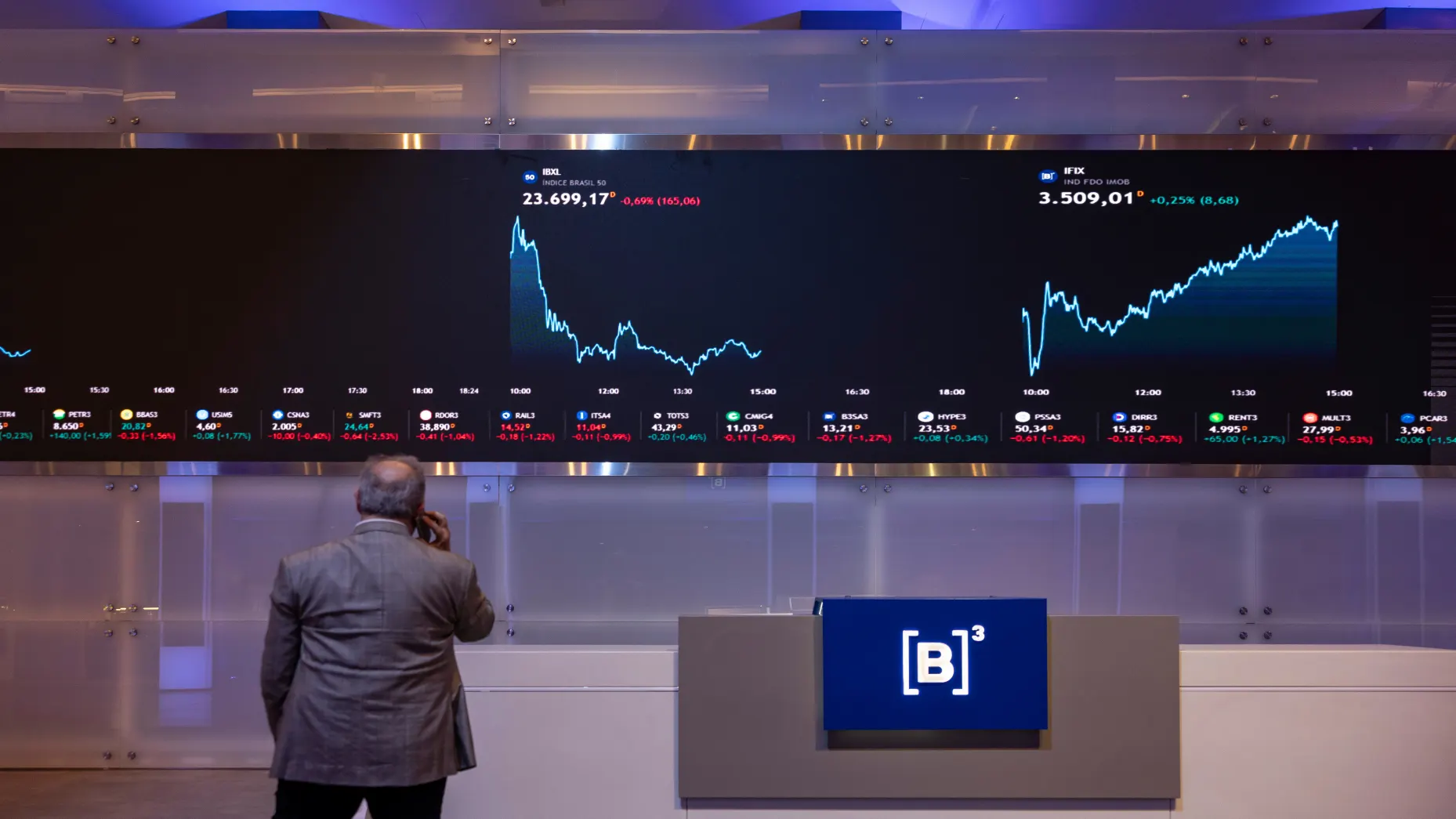
Brazil's benchmark Bovespa stock index advanced nearly 1% on the first trading day following the January attack and has risen roughly 3% since. Analysts attribute the calm to a market laser-focused on domestic monetary policy and economic fundamentals, rather than regional geopolitics.
"In the case of Brazil, I don’t see this being a big issue – I don’t see the high risk of aggressive intervention there," said Amr Abdel Khalek, emerging markets strategist at MRB Partners. "Inflation and interest rates, that’s really what the market is focused on."
Investor attention is centered on the timing of potential interest rate cuts by Brazil's central bank. With the benchmark Selic rate at a near two-decade high of 15%, recent data showing inflation slowing to 4.26%—below the official target—has bolstered expectations for monetary easing, possibly in the first half of 2026.
The outlook for rate cuts is heavily tied to the country's October general election. Analysts suggest that a re-election of President Luiz Inacio Lula da Silva could result in a slower easing cycle, while a victory for an opposition candidate promising fiscal prudence might allow for more aggressive cuts. Lower rates could catalyze greater domestic participation in equity markets, as fixed-income yields become less attractive.
While the Venezuela event has not rattled stocks, it underscores broader regional uncertainties. Brazil, under Lula, is coordinating with other Latin American nations to stabilize Venezuela. However, analysts note Brazil's diversified economy—spanning commodities, agriculture, and a well-regulated energy sector—provides insulation from volatility in any single area, including potential shifts in oil production from a restructured Venezuela.
The market's muted reaction may also reflect a degree of acclimation to U.S. pressure in the region, following previous actions like tariff impositions. As one strategist noted, predicting U.S. policy moves remains challenging, but for now, Brazilian investors are prioritizing local economic indicators over geopolitical headlines.