U.S.-India trade talks could get a boost as America sees life going on without it
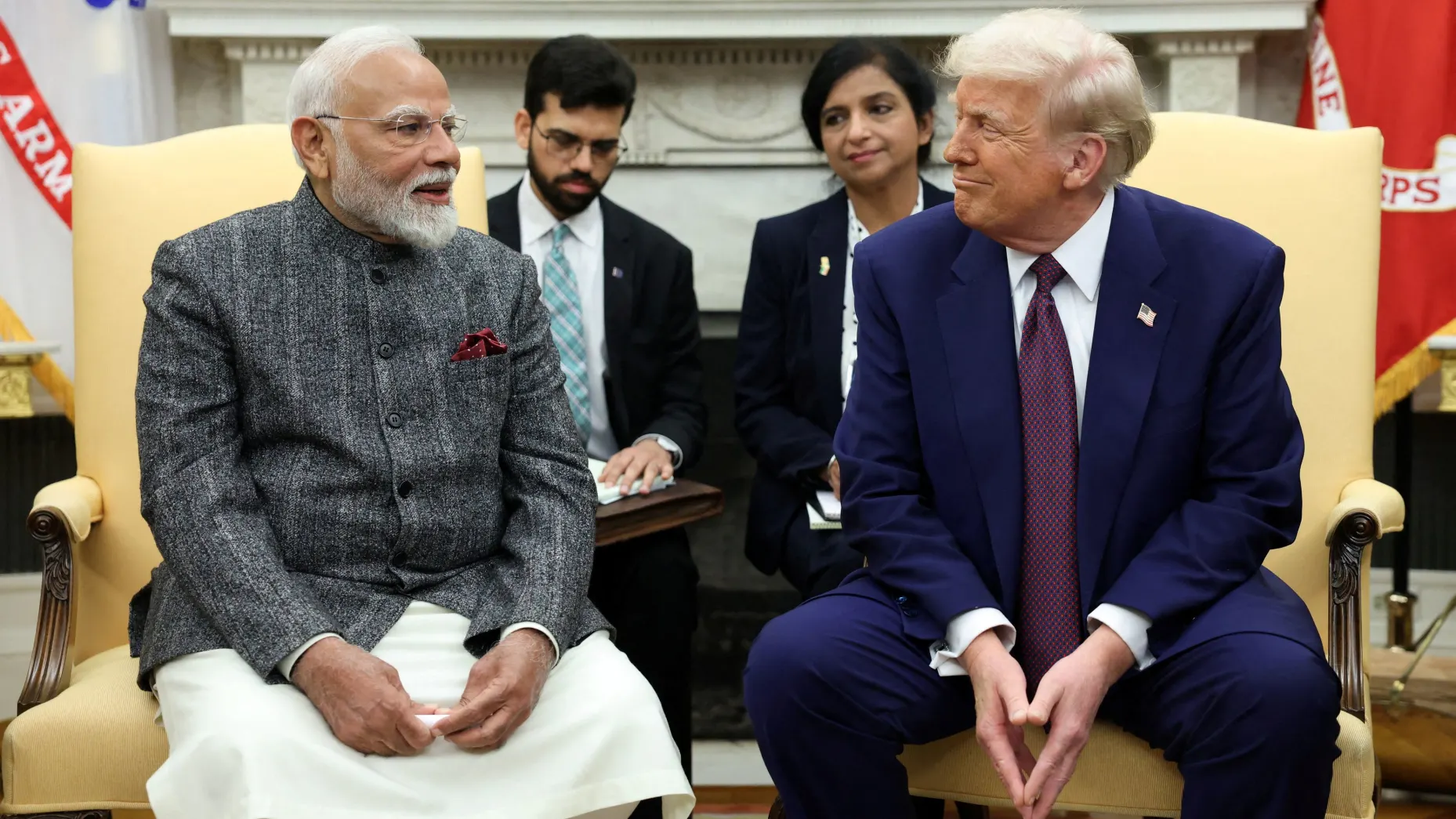
The landmark trade agreement signed this week between the European Union and India may serve as a catalyst to revive long-stalled trade talks between the United States and India, according to analysts. The EU-India deal, which phases out tariffs on the vast majority of each other's imports, puts new pressure on Washington to advance its own bilateral negotiations.
"The EU-India deal could ... light a fire under efforts to conclude a U.S.-India trade deal," said Mark Linscott, a nonresident senior fellow on India at the Atlantic Council. While the Trump administration has yet to publicly react to the agreement—two decades in the making—analysts suggest it may view such pacts between other major economies as a strategic concern, potentially increasing the urgency for the U.S. to secure its own terms.
India's Petroleum Minister hinted that a U.S. deal is at a "very advanced stage," though he offered no specific timeline. The EU agreement reduces, but does not eliminate, India's incentive to quickly conclude a deal with the U.S., its largest trade and defense partner.
However, significant hurdles remain. U.S. negotiations have been stalled over American demands for greater access to India's politically sensitive agricultural market and for India to further reduce its purchases of cheap Russian oil. While India has recently scaled back Russian oil imports to a two-year low, agriculture remains a major sticking point due to the sector's vast number of subsistence farmers and its deep political significance.
Analysts note that the new access to the EU market may strengthen India's bargaining position, allowing it to better withstand the current 50% U.S. tariffs on its exports if talks continue to drag. The development sets the stage for a potentially intensified diplomatic and economic push in the coming months, as global trade realignments accelerate.