
Debt Restructuring Guide: How to Reduce Payments and Regain Financial Control
For individuals and businesses burdened by significant debt obligations, the path to repayment can feel overwhelming. High interest charges, multiple creditors, and mounting monthly payments often create sustained financial pressure. Debt restructuring offers a practical alternative—a structured approach to reorganizing existing debts and negotiating modified terms that can lower monthly obligations, extend repayment timelines, or consolidate multiple debts into a single manageable structure. Understanding how these processes work empowers borrowers to take control of their financial situations and work toward long-term recovery.
What Is Debt Restructuring?
Debt restructuring refers to the process of modifying original loan agreements to make repayment more achievable. Rather than struggling under existing payment schedules, borrowers collaborate with lenders or financial advisors to develop revised terms that may include reduced interest rates, extended loan durations, or consolidation of multiple debts into one coordinated payment plan.
This approach serves both individuals and businesses experiencing financial difficulty. Lenders often agree to restructuring because recovering a modified debt typically proves more favorable than dealing with borrower default. The process essentially creates a new framework for repayment that acknowledges current financial realities while maintaining the borrower's commitment to fulfilling obligations.
How Debt Restructuring Loans Function
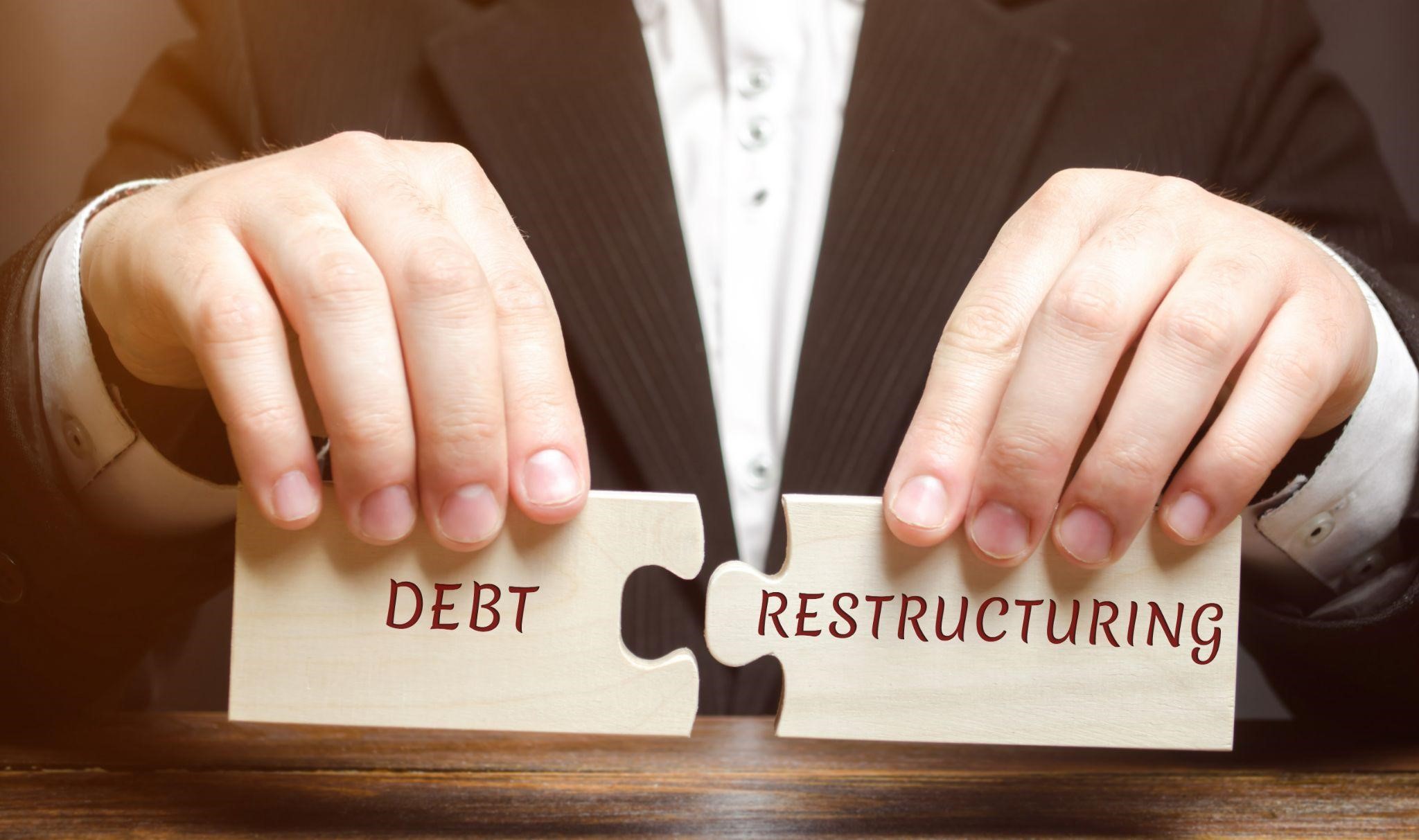
In many cases, borrowers obtain a debt restructuring loan that replaces multiple existing debts with a single new loan featuring more favorable terms. Instead of tracking numerous payments to various lenders with different due dates and interest rates, the borrower makes one monthly payment under a unified agreement.
These loans typically form part of comprehensive debt restructuring programs offered by financial institutions, credit counselors, or specialized restructuring firms. By consolidating balances and securing improved terms through negotiation, borrowers can significantly reduce financial stress while continuing to meet their repayment responsibilities. The single-payment structure also simplifies financial management and reduces the risk of missed payments.
When Debt Reorganization Becomes Necessary
A debt reorganization plan becomes essential when borrowers face escalating financial pressure from credit cards, personal loans, or business financing. Rising interest charges, occasional missed payments, and shrinking available cash flow signal that existing repayment schedules no longer align with current financial capacity.
Rather than allowing debt to spiral further, restructuring enables borrowers to renegotiate terms before the situation deteriorates. Many individuals seek assistance from reputable debt restructuring companies or financial advisors who specialize in lender negotiations and constructing structured repayment plans designed to stabilize finances. The key is acting proactively rather than waiting until options become limited.
How Debt Renegotiation Reduces Monthly Payments
The primary advantage of debt renegotiation lies in its ability to lower monthly repayment pressure. Through skilled negotiations with lenders, borrowers may secure reduced interest rates, extended repayment periods, or partial debt adjustments that make monthly obligations more manageable.
Financial advisors and restructuring specialists typically analyze existing loan agreements to identify renegotiation opportunities, then develop customized debt restructuring plans aligned with each borrower's unique financial situation. Successful renegotiation can dramatically improve monthly cash flow, freeing resources for essential living expenses or business operations while maintaining progress toward debt elimination.
The Debt Restructuring Process
Understanding how debt restructuring works helps borrowers approach the process with confidence. The journey typically begins with a comprehensive financial assessment, examining all outstanding debts, interest rates, monthly obligations, and available income. This analysis reveals which debts create the greatest burden and where negotiation opportunities exist.
Next, borrowers or their representatives contact lenders to discuss restructuring possibilities. This communication may involve explaining current financial circumstances, proposing modified terms, and demonstrating willingness to repay under adjusted conditions. Lenders receiving well-reasoned restructuring proposals often respond positively, particularly when borrowers present realistic repayment plans.
Once agreements are reached, the new terms are documented, and borrowers begin making payments according to the revised schedule. Consistent adherence to restructured terms not only reduces debt but also rebuilds credibility with lenders over time.
Debt Restructuring for Businesses
Companies experiencing financial strain frequently rely on business debt restructuring to maintain operations while managing outstanding obligations. In these situations, businesses work directly with lenders to restructure loans, renegotiate repayment terms, or extend credit facilities so operations can continue while gradually reducing debt burdens.
Business restructuring may involve revising payment schedules, converting short-term debt into long-term loans, or negotiating reduced interest rates based on current revenue projections. Implementing a structured plan helps businesses avoid bankruptcy proceedings while preserving important lender relationships and restoring financial stability. For companies with viable underlying business models but temporary cash flow challenges, restructuring often provides the breathing room needed for recovery.
Choosing Appropriate Debt Restructuring Support
When exploring restructuring options, borrowers should research reputable debt restructuring companies specializing in financial negotiation and debt management. These organizations assess financial conditions, communicate effectively with lenders, and develop structured repayment plans tailored to individual circumstances.
Professional guidance proves particularly valuable for complex financial situations requiring detailed negotiations and long-term strategic planning. Qualified advisors understand lender perspectives, know which restructuring approaches typically succeed, and can advocate effectively on behalf of borrowers. They also help distinguish between realistic restructuring proposals and arrangements that may create future problems.
Long-Term Benefits of Successful Restructuring
Beyond immediate payment reduction, successful debt restructuring delivers lasting financial benefits. Completing restructured payments on time gradually improves credit standing, demonstrating to future lenders that the borrower honors commitments even after encountering difficulty. This positive payment history eventually supports access to better financing terms for future needs.
Restructuring also provides psychological relief from constant debt pressure, allowing clearer thinking about financial decisions and long-term planning. With reduced monthly obligations, borrowers can allocate resources toward emergency savings, investments, or other financial priorities that build lasting security.
Moving Toward Financial Stability
Debt challenges can feel overwhelming, but restructuring offers a genuine path toward recovery. By implementing a well-designed debt restructuring program, borrowers reorganize financial obligations, reduce repayment pressure, and gradually rebuild financial stability. The process requires honest assessment of financial circumstances, willingness to communicate with lenders, and commitment to following through on restructured terms.
With proper planning, skilled negotiation, and disciplined financial management, a thoughtfully constructed debt restructuring plan can help individuals and businesses transition from financial stress to sustainable financial health. The journey requires patience and persistence, but each successfully managed payment brings borrowers closer to the ultimate goal: regaining control over their financial future.