Warehouse job: roles, pay, and how to apply
Overview of a Warehouse job
A Warehouse job covers roles such as picker, packer, forklift operator and shipping clerk. This guide explains common duties, typical pay, training requirements and how to apply for entry-level to experienced positions.
Whether you seek full-time work, part-time shifts or seasonal roles, understanding the expectations and hiring process for a warehouse job helps you compare opportunities and make informed decisions.
What a warehouse job involves
A warehouse role usually includes receiving goods, checking inventory, storing items, picking orders, packing shipments and preparing items for courier pickup. Some positions require operating equipment like pallet jacks or forklifts; others focus on quality checks and documentation.
Key duties and daily tasks
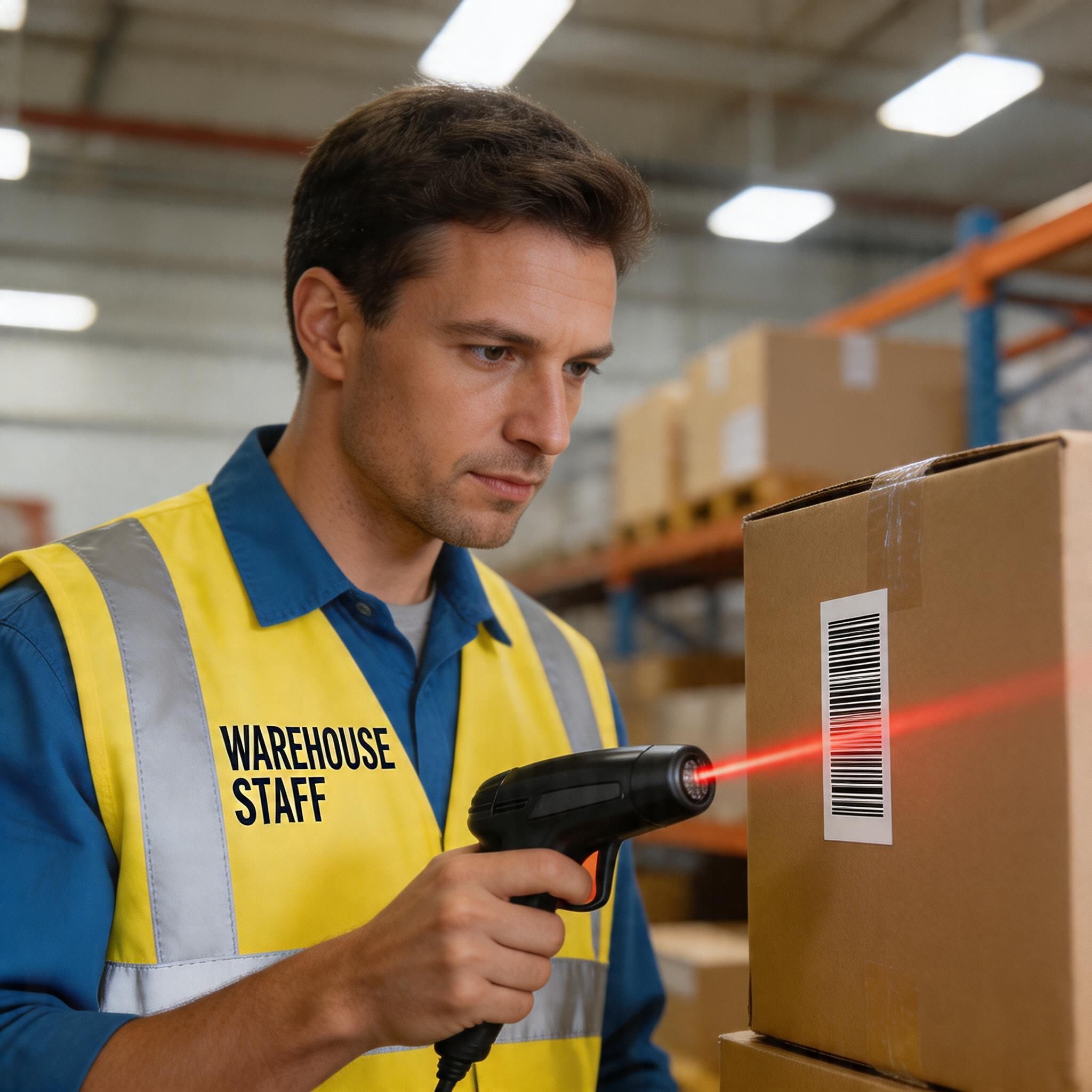
Common daily tasks include scanning barcodes, labeling packages, loading trailers, and maintaining a clean work area. Employers often list physical requirements—standing, lifting up to specified weights, and basic computer or handheld scanner use.
Shift patterns vary: many warehouses operate 24/7 with morning, evening and night shifts. Temp agencies and seasonal employers may offer short-term contracts around peak demand, while larger warehouses list permanent roles with benefits.
Pay, benefits and cost considerations
Hourly rates for a warehouse job depend on location, experience and role. Entry-level positions often start near local minimum wage, while certified forklift operators and supervisors command higher pay. Look for listings that state the hourly rate, overtime policy and benefits like health insurance, retirement plans, and paid time off.
How to apply: steps and tips
1. Update a concise resume highlighting physical roles, certifications (e.g., forklift), and reliability. 2. Apply online or in person; many employers use quick application forms. 3. Prepare for a short interview or on-site skills check. 4. Ask about start date, shift options, and required training.
Training, safety and certification
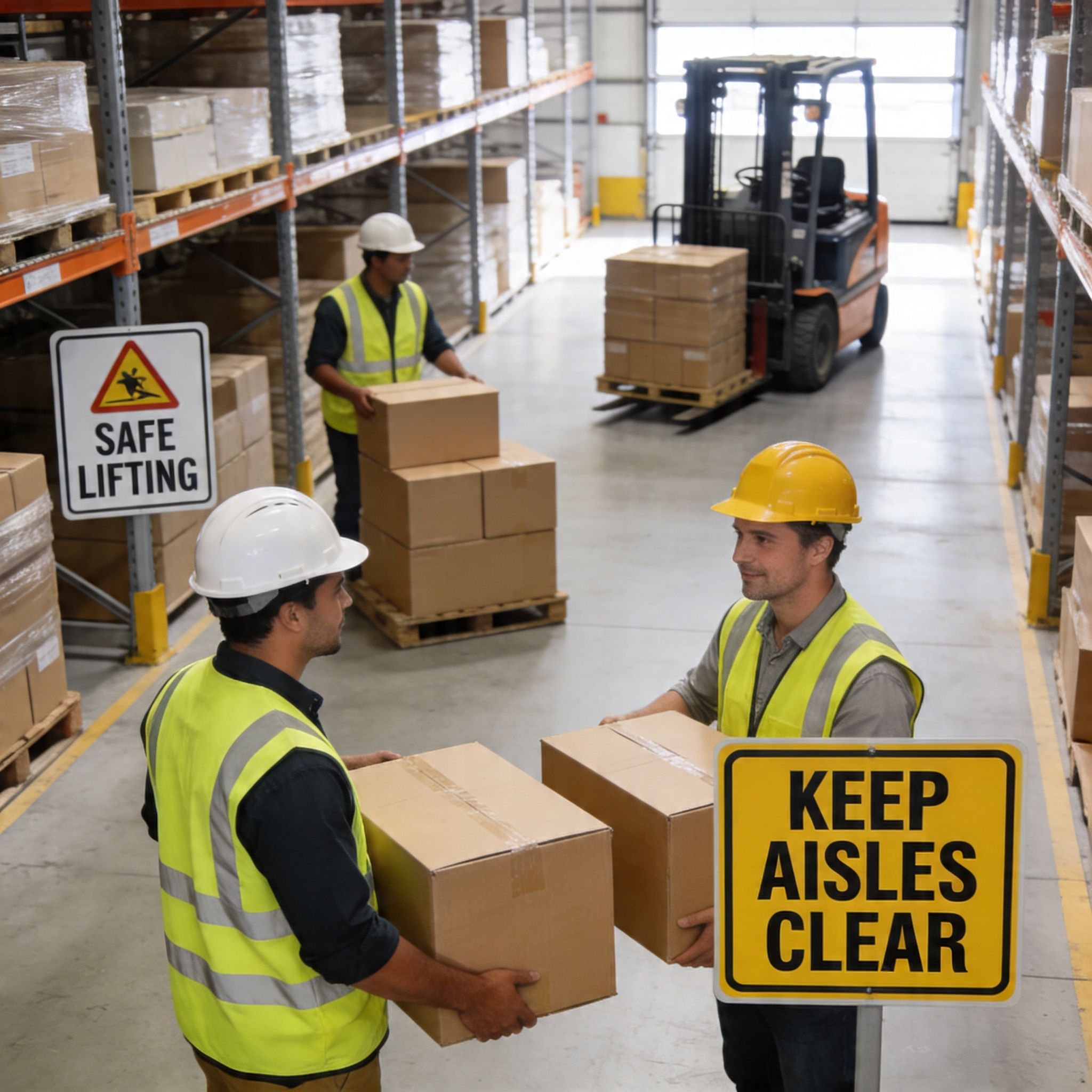
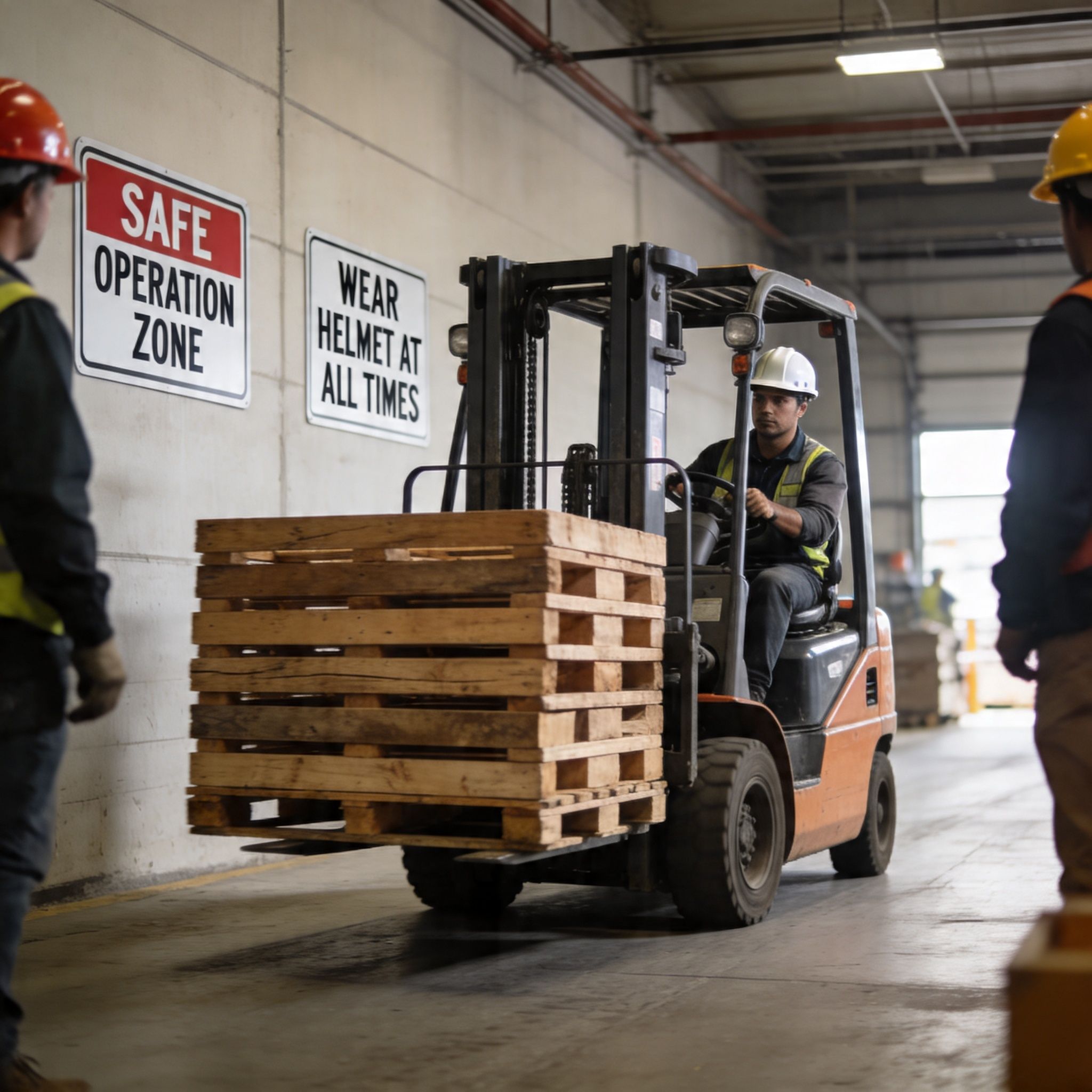
Safety is central to warehouse work. Employers typically provide on-the-job safety training and may require certifications for equipment operation. Common safety topics include proper lifting techniques, PPE (personal protective equipment), and emergency procedures.
Choosing the right warehouse job for you
When comparing roles, consider hourly pay, shift flexibility, commute time, physical demands and opportunities for advancement. Permanent positions with training and benefits offer more stability, while temporary roles can provide immediate income and experience.
Common questions about warehouse jobs
Is previous experience required? Often not for entry-level roles, but relevant experience or certifications can improve pay. How quickly can you start? Some employers hire within days; others require background checks. Can you move into supervisor roles? Yes—many supervisors are promoted internally after demonstrating reliability and skills.