Community Laundry Aid: How Local Nonprofits May Help Seniors With Laundry Barriers
Introduction
In many communities, the simple act of washing clothes can become a barrier rather than a routine chore for seniors and families with limited means. The cost of detergent, softeners, and access to reliable machines can add up quickly, leaving some elderly residents to stretch scarce resources or face difficulties keeping up with laundry. This article follows the people who help turn laundry into a community support service, showing how nonprofit programs, neighborhood volunteers, and community partners may come together to offer practical assistance while preserving dignity.
Despite the essential nature of laundry, some seniors face challenges at laundromats that are noisy, crowded, or unfamiliar. For households living on fixed incomes, the choice between paying for groceries or detergent can be difficult. When a local church group organizes a detergent drive, or a community organization runs a laundry day, the impact can go beyond clean clothes. It can provide practical support and help older adults feel that aging and financial hardship do not have to be faced alone.
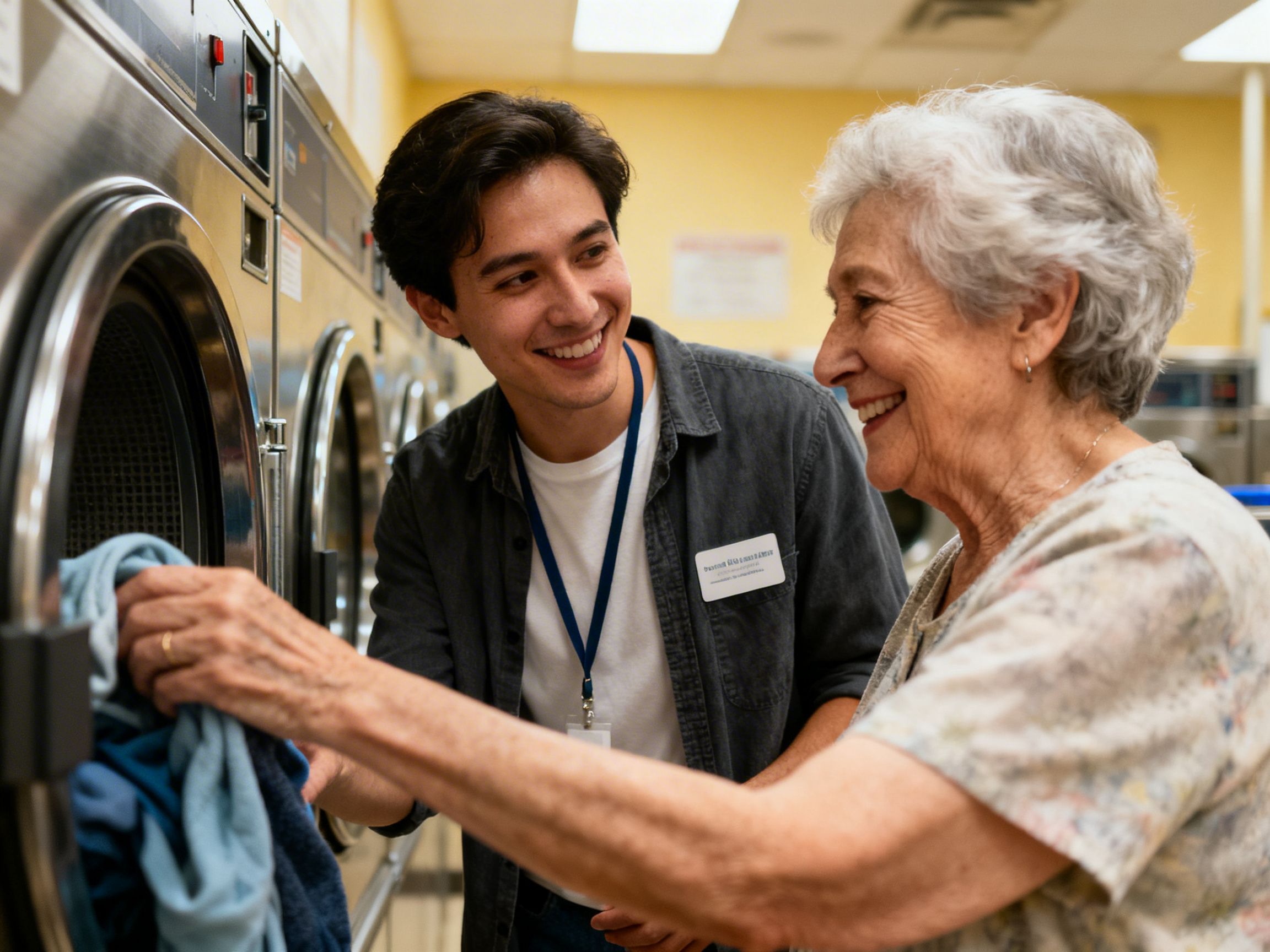
To address these concerns, some nonprofits have designed targeted programs that may provide detergent samples, refillable detergent stations, or discounted laundry services. Volunteers may not only distribute supplies but also explain how to use them safely, how to separate colors from whites, and how to manage washing cycles in machines with different settings. These practical coaching moments can matter because small knowledge gaps may lead to wasted product or damaged garments, which can make daily laundry routines more difficult.
Community-based models vary widely, from pop-up laundry days at senior centers to ongoing partnerships with laundromats that may offer reduced prices for eligible program participants. Some initiatives may provide a monthly allocation of detergents and fabric softeners, while others focus on repairing or replacing worn-out machines that make laundry more difficult for households. The common goal is to reduce some of the practical barriers associated with laundry and encourage better hygiene and social connection.
Programs and Community Roles
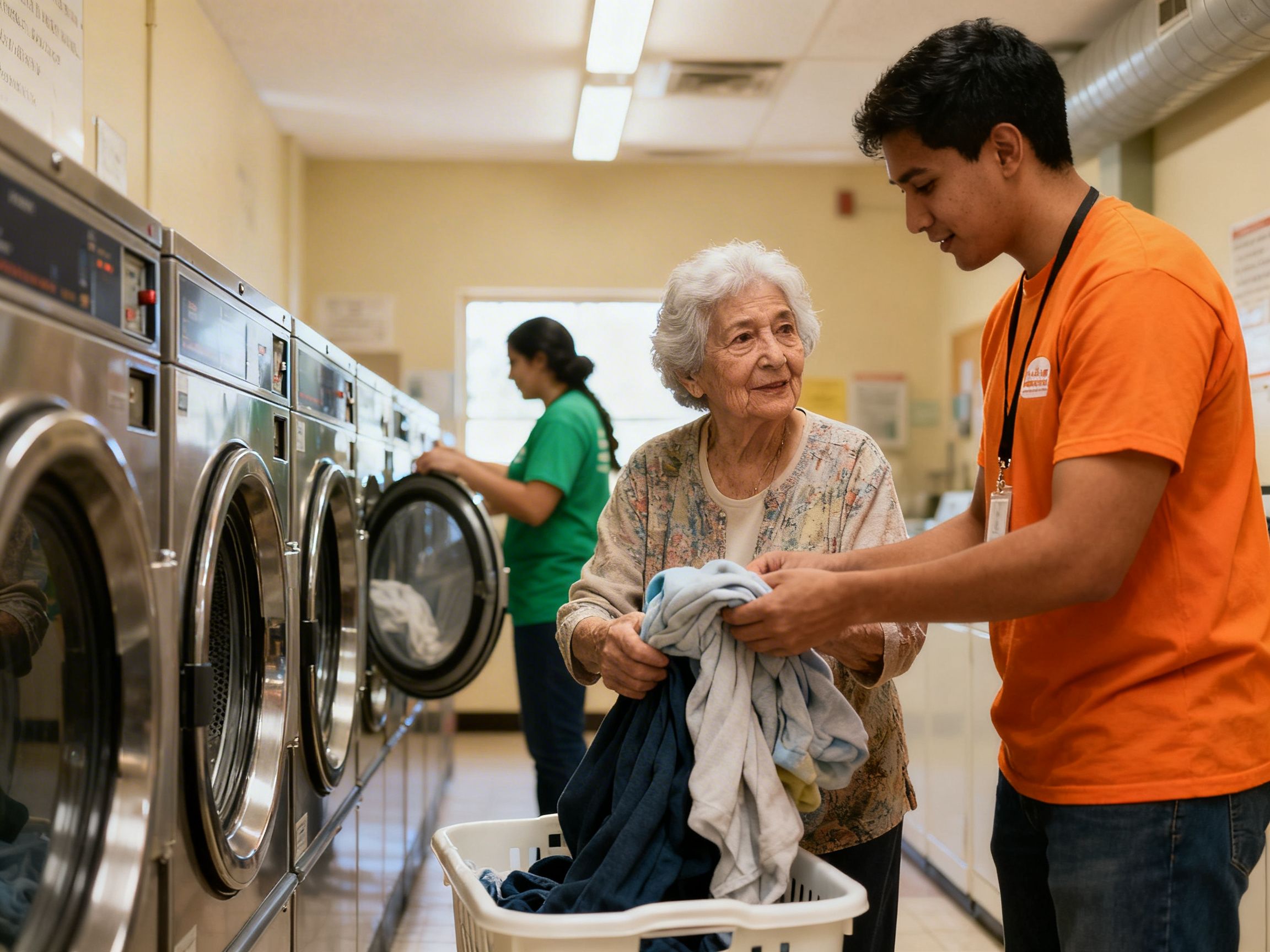
At the core of these efforts are local volunteers and staff who coordinate logistics, recruit donors, and connect seniors to available resources. When a family arrives at a service event, they may leave with essential supplies, information about affordable options, and guidance on how to request ongoing assistance. For many people, this can be more than a one-time handout; it may provide a pathway toward greater independence by helping them manage daily duties with less difficulty.
- Detergent banks and refill stations that may help reduce recurring costs.
- Partnerships with laundromats that may provide discounted loads during designated hours.
- Educational sessions on machine usage and energy-efficient practices.
The most meaningful outcomes can be less tangible but equally important: restored routines, greater confidence, and stronger social connections. When neighbors know one another by name and respond to a familiar need, the experience of doing laundry can shift from a private challenge to a community-supported activity.
Eligibility and access vary by program. Some programs may have an intake process that includes proof of income, residency in a service area, or a short application. Community workers may help applicants navigate these steps, although requirements and application procedures differ between organizations. Checking the current eligibility requirements directly with the organization can help applicants understand what assistance may be available.
In conclusion, nonprofit laundry programs can provide a practical approach to community support. They recognize that the chores of daily life—washing, drying, folding—can matter alongside larger concerns such as housing and healthcare. Through generosity, education, and thoughtful program design, communities may help older adults stay connected, confident, and better supported in their daily routines.
Note: Laundry assistance programs, free supplies, discounts, eligibility requirements, funding, and service availability vary by organization and location. The examples in this article are informational and should not be understood as a guarantee that a particular program or benefit will be available.