
Fed Expected to Maintain Rates Amid Political Pressure, Affecting Consumer Loans
The Federal Reserve is poised to hold its benchmark interest rate steady at this week's policy meeting, despite escalating public criticism from President Donald Trump. Market indicators show virtually no expectation of a rate cut, as the central bank weighs a softening labor market against persistent inflation and global uncertainty.
This decision will disappoint some borrowers hoping for immediate relief. "Even so, rates on several types of loans are at their lowest levels in years and are likely to keep falling, at least for a little while longer," noted Matt Schulz, LendingTree's chief credit analyst. "That’s welcome news as affordability issues continue to plague families."
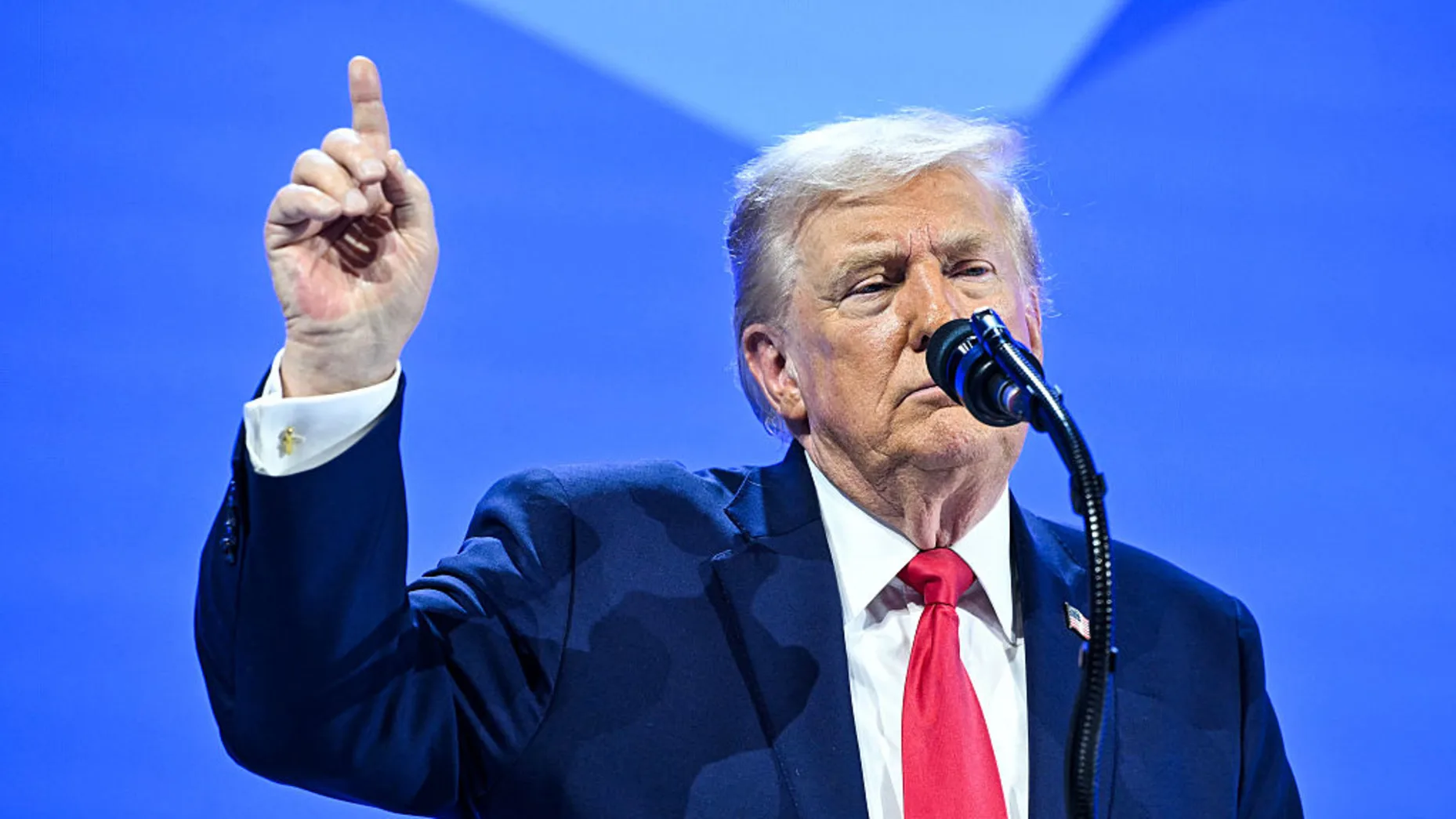
President Trump has intensified his critique of Fed Chair Jerome Powell, recently stating at the World Economic Forum that inflation has been "defeated" and suggesting he has narrowed his list of candidates to succeed Powell. The President argues that maintaining relatively high rates puts the U.S. at a competitive disadvantage.
The Fed's policy directly influences key borrowing costs for Americans, though the impact varies by loan type:
Mortgages: Fixed mortgage rates, which follow long-term Treasury yields, have recently dipped below 6%, partly influenced by administrative housing finance policies. However, experts note rates remain volatile and sensitive to geopolitical events.
Credit Cards: With most cards featuring variable rates, the average APR has fallen to 23.79%, its lowest point since March 2023. Still, this offers limited relief for the roughly 60% of cardholders who carry debt. Proposed legislative caps on card rates face significant industry opposition.
Auto Loans: While financing rates have edged lower, record-high vehicle prices and loan amounts have pushed the average monthly payment to new highs. Analysts note that affordability pressures in the auto market remain severe.
The Fed's current pause underscores its operational independence but leaves it navigating a complex economic landscape amid direct political pressure.
Recent
News




Newsletter
Subscribe to our mailing list to get the new updates!

Subscribe our newsletter to stay updated
Most
Reviews
Finance

Finance

Markets

Economy

- Mon, 19 Jan 2026
Canadian Dollar gains ground as tariffs weigh on US Dollar
Economy

- Sun, 18 Jan 2026