
Tariffs Are More Destructive Than You Think
PROVIDENCE – In today's globally interconnected economy, tariffs are evolving beyond traditional tools of trade protection into instruments of geopolitical strategy, creating outcomes that defy conventional economic predictions. Rather than causing limited, temporary distortions, contemporary tariffs can trigger persistent inflation, substantial output losses, and destabilizing international spillovers, challenging long-held policy assumptions.
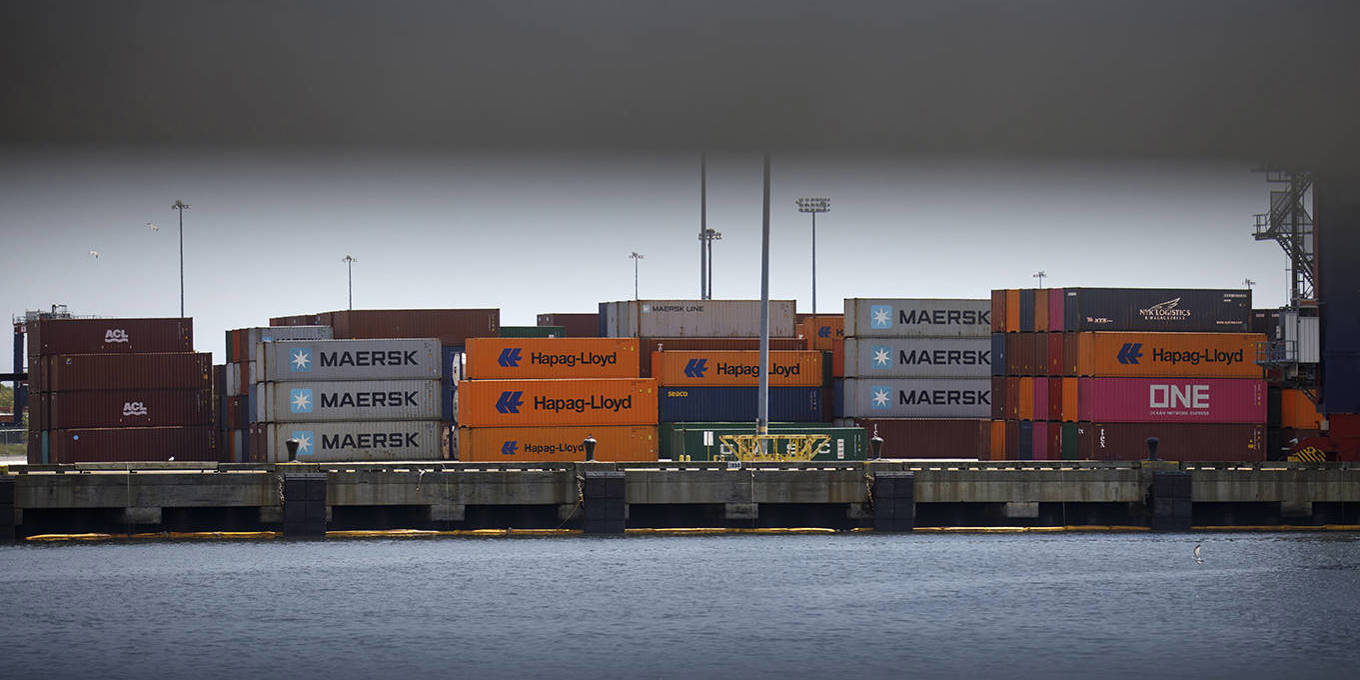
This shift stems from the deep integration of global production and finance. Modern domestic manufacturing and services rely extensively on imported intermediate inputs and complex cross-border supply chains. Consequently, a tariff acts not merely as a demand shock, but as a supply shock, directly raising firms' marginal costs. These increased costs then propagate through intricate production networks, exerting inflationary pressure and reducing productivity even in sectors not directly targeted.
Crucially, this inflation can prove stubbornly persistent. Due to nominal rigidities like long-term contracts, cost shocks translate into gradual price adjustments across the economy. Input-output linkages mean these adjustments ripple for extended periods, creating a prolonged inflation process that central banks must combat with tighter monetary policy, thereby amplifying overall output losses. This dynamic can produce stagflation—simultaneously rising inflation and falling output—even from temporary tariffs.
Furthermore, tariffs reshape global financial flows. While standard models might predict currency appreciation for a large economy imposing tariffs, the disruptive power of policy uncertainty often dominates. Announcements and threats of future tariffs can trigger immediate behavioral shifts—front-loading imports, revising investment, and increasing risk premia—which can weaken the tariffing country's currency and cause preemptive economic damage.
Three critical lessons emerge for policymakers:
Trade policy cannot be divorced from production networks. Models ignoring global supply chains will severely underestimate both the persistence of inflation and the scale of output loss.
Monetary policy is decisive. Central bank responses, both domestic and foreign, are pivotal in determining whether tariffs lead to sustained inflation or a deepened recession.
Tariffs are a global macroeconomic shock. In an era of global value chains, their effects inevitably cross borders through goods markets, financial systems, and expectations, regardless of the stated national objective.
As nations increasingly wield tariffs for strategic leverage, they must recognize these measures are no longer precise surgical tools. In a networked world economy, they represent a blunt force with the capacity to destabilize global growth and ignite widespread stagflation.
Recent
News



Newsletter
Subscribe to our mailing list to get the new updates!

Subscribe our newsletter to stay updated
Most
Reviews

Retail

- Sun, 25 Jan 2026
Brick-And-Mortar Makes A Comeback In A Changing Retail Landscape
Business
Finance
- Sat, 24 Jan 2026
.jpg)