
Eli Lilly cuts cash prices of Zepbound weight loss drug vials on direct-to-consumer site
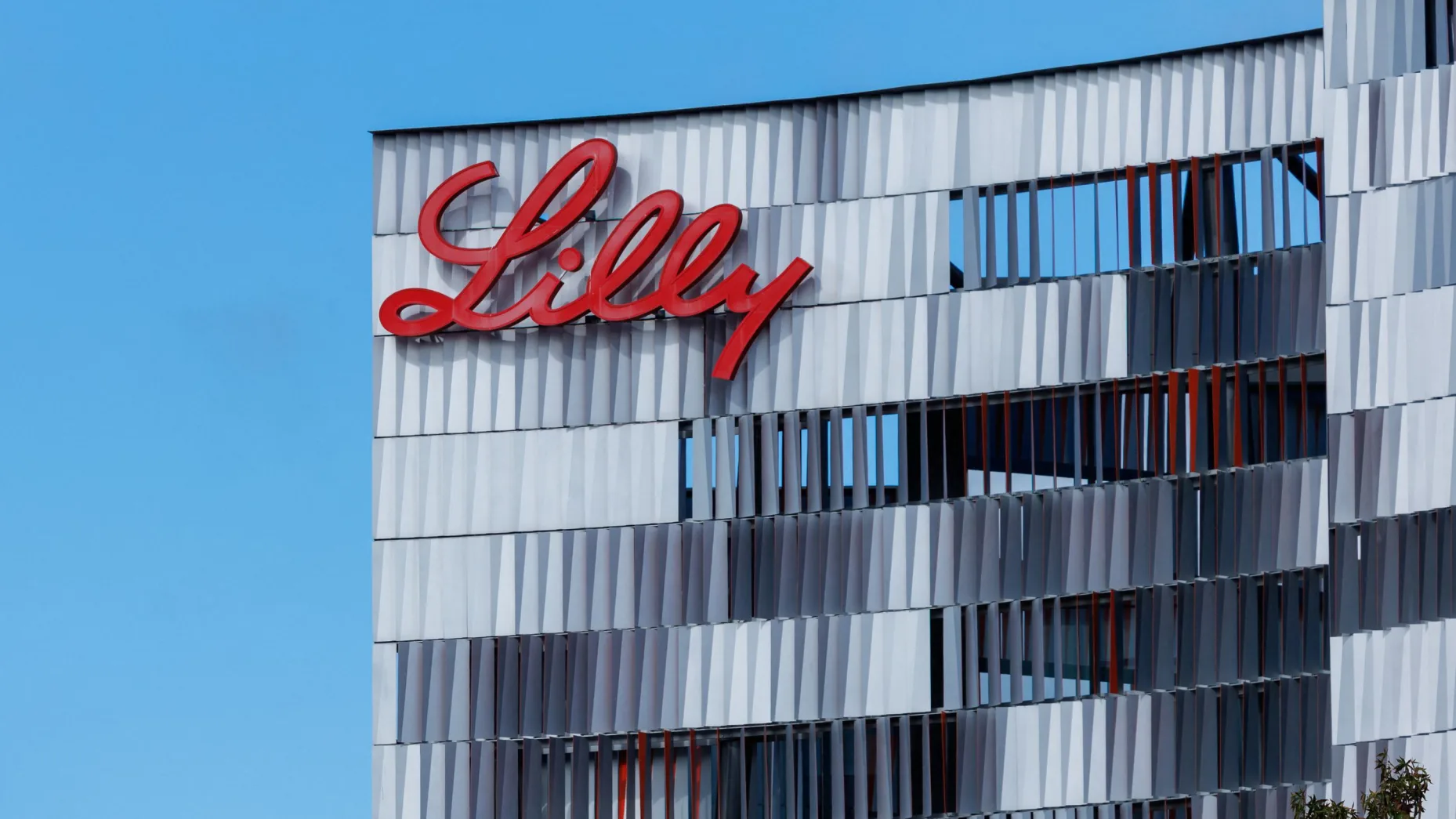
Indianapolis — Eli Lilly has announced a price reduction for the cash-paying customers of its blockbuster weight-loss drug Zepbound, marking a significant new front in the competitive and politically charged battle to improve patient access to GLP-1 medications.
Effective immediately, the starting dose of Zepbound in single-dose vials is now available for as low as $299 per month on the company's direct-to-consumer platform, LillyDirect, down from $349. Higher doses also see price cuts of up to $50 per month. This move comes just weeks after the Trump administration finalized agreements with Lilly and rival Novo Nordisk to lower government costs and introduce new Medicare coverage pathways.
A Multi-Pronged Strategy for Market Penetration
Lilly's latest pricing action targets the existing single-dose vial form of Zepbound, which carries a list price of roughly $1,086. By lowering the out-of-pocket cost for cash-paying patients—who now account for over a third of new Zepbound prescriptions—the company aims to accelerate adoption ahead of broader policy changes. This aggressive strategic pivot to capture market share mirrors tactics seen in other high-stakes, fast-moving industries.
"This allows more patients to get discounted treatments more quickly," a company representative stated, emphasizing efforts to expand choices and access pathways. The separate deal with the federal government primarily concerns a future multi-dose pen version of Zepbound, pending FDA approval.
Competitive and Political Pressure Drives Change
The price reduction follows a similar move by chief competitor Novo Nordisk, which recently lowered cash prices for Wegovy and Ozempic. This tit-for-tat dynamic has created a high-stakes race between the two pharmaceutical giants, turning the obesity drug market into one of the world's most closely watched commercial and political battlegrounds.
The backdrop is a concerted push by the Trump administration to make these treatments more affordable. The upcoming launch of the government's "TrumpRx" direct-to-consumer website in January, which will feature discounted medicines, adds another layer to this evolving competitive ecosystem.
Financial Calculus: Volume Over Margin?
Despite the potential for lower revenue per dose, Eli Lilly's financial performance has so far been immune to pricing pressures due to insatiable global demand. The company's stock, which catapulted it to become the first healthcare firm to reach a $1 trillion market valuation last month, dipped nearly 2% on the announcement but remains up more than 36% for the year.
Analysts suggest that the company is betting on exponential volume growth to offset price cuts, a bold strategic maneuver that depends on sustained demand and successful market expansion. The ongoing price competition, coupled with impending policy support, indicates that the scramble for dominance in the weight-loss drug market is entering an even more intense phase.
Recent
News



Newsletter
Subscribe to our mailing list to get the new updates!

Subscribe our newsletter to stay updated
Most
Reviews
Markets
- Wed, 28 Jan 2026
Gold hits $5,300 as dollar plummets
Markets

- Thu, 15 Jan 2026
GBP/USD Price Forecast: Eyes nine-day EMA barrier near 1.3450
Business

- Sun, 18 Jan 2026
Know Your Customer Without Being Creepy
Markets

- Mon, 19 Jan 2026