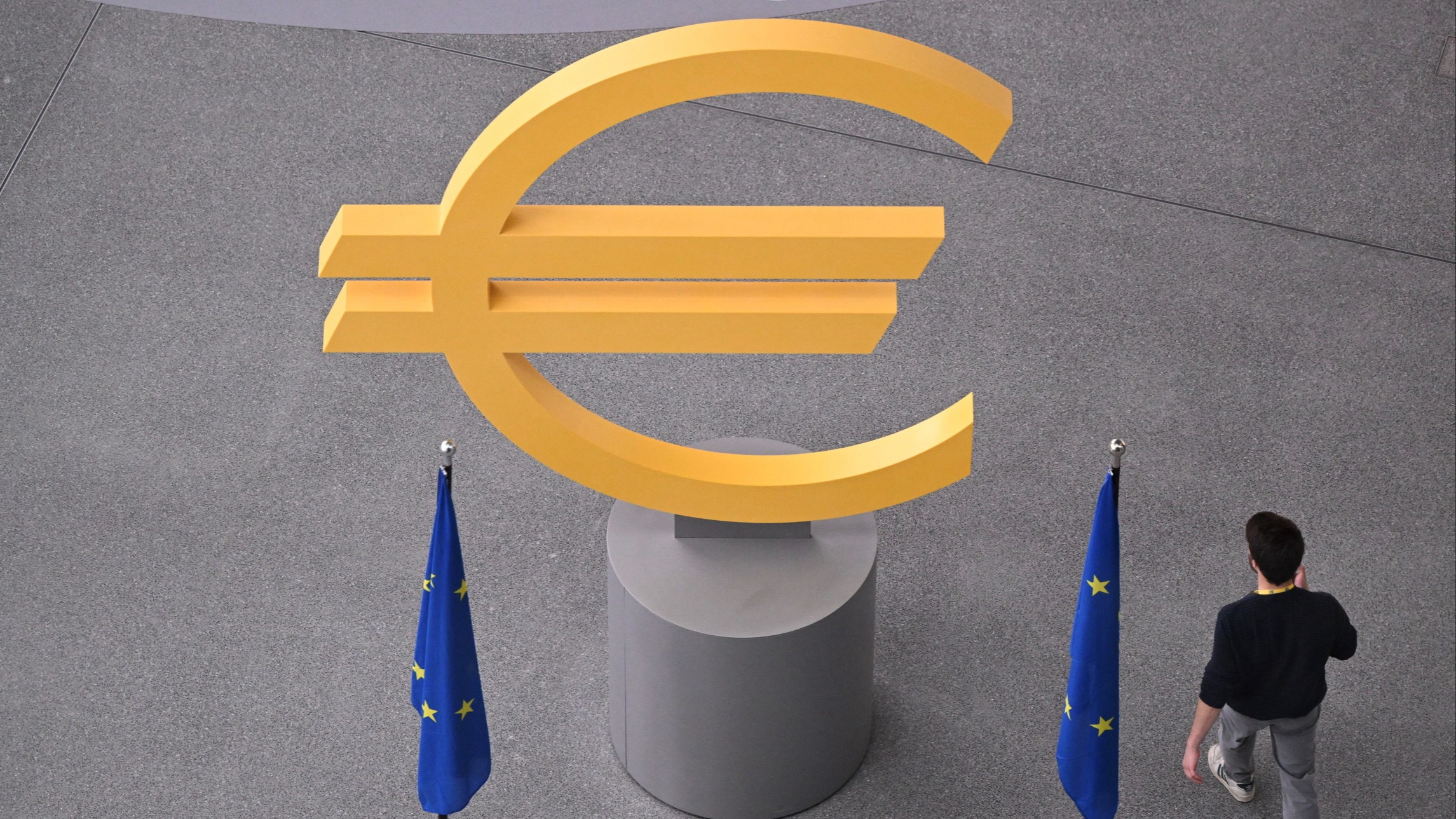
Dollar Faces Pressure on Trump’s New European Tariff Threats
In this article: DX-Y.NYB
CHF=X
CHFUSD=X
USD=X
EUR=X
Photographer: Aaron Schwartz/Bloomberg
(Bloomberg) -- The dollar is coming under pressure after President Donald Trump announced a 10% tariff on European countries opposed to his plans to seize Greenland, raising jitters around holding American assets amid erratic US policy.
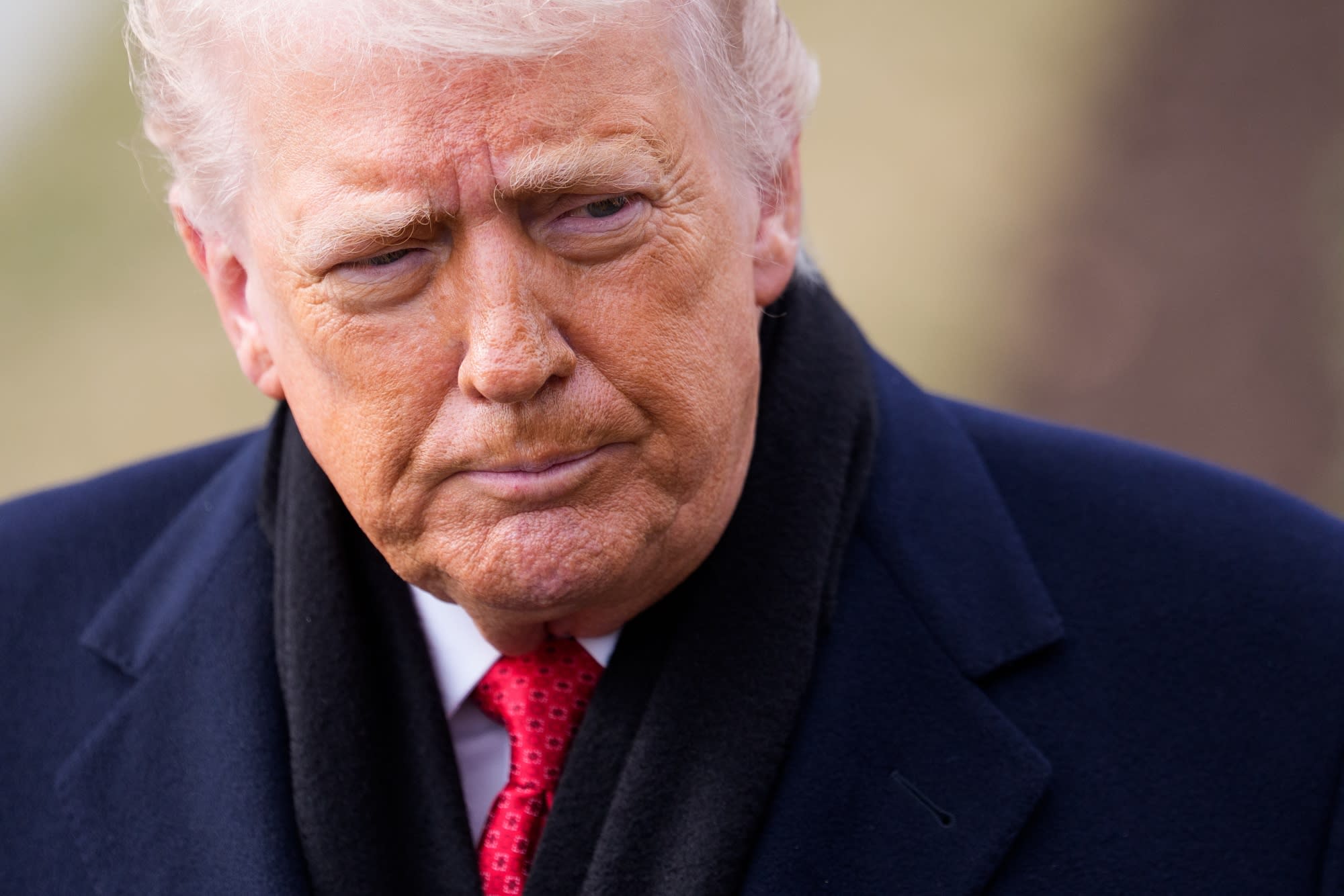
The Bloomberg Dollar Spot Index fell 0.1% on Monday, following the new levy on goods from eight countries that support Denmark’s hold on Greenland. Treasury futures traded mixed with cash markets closed for a US holiday.
Most Read from Bloomberg
Seattle Is Building Light Rail Like It’s 1999
NYC’s New Comptroller Sounds Alarm on Two-Year Deficit of $12.6 Billion
Millionaire Tax in Rhode Island Gets Governor’s Support
Summit $451 Million Deal for Bankrupt NYC Buildings Approved
Chicago Splits 2026 Advance Pension Payment on Cash Crunch
European currencies gained, with the Swiss franc outperforming its Group-of-10 peers on increased demand for haven assets. The euro rose from its lowest level in almost two months.
Here’s what analysts are saying:
Kamakshya Trivedi, chief FX and EM strategist at Goldman Sachs Group Inc.:
In an environment where you once again see disruptive US policy, where the shine around US asset can be questioned a little bit, I think the dollar tends to depreciate on that.
I would expect the Swiss franc to be the primary beneficiary but in a broader weaker dollar backdrop.
George Saravelos, global head of FX Research at Deutsche Bank AG:
With USD exposure still very elevated across Europe, developments over the last few days have potential to further encourage dollar rebalancing.
The key thing to watch will be whether the EU decides to activate its anti-coercion instrument by putting measures that impact capital markets on the table. It is a weaponization of capital rather than trade flows that would by far be the most disruptive to markets.
David Forrester, a senior strategist at Credit Agricole CIB:
Trump’s tariff threats have reignited the ‘sell America’ trade. The market will also be looking for the ‘TACO trade’ as Trump could be using the threat of tariffs as a negotiating ploy. This will give the USD some support.
EUR will be one of the biggest losers of the growing geopolitical risks under Trump’s presidency in 2026. The tariffs could add to cyclical headwinds for the eurozone economy and further erode pressure on Russia to end its war in Ukraine.
Chris Weston, head of research at Pepperstone Group Ltd.:
The market dynamic is that US assets, including the US dollar, are now carrying a much higher political risk premium. This would compel foreign investors to cut back or reduce exposure to US assets.
The prevailing belief is a deal on Greenland will ultimately be forged. However, when sovereignty is at stake, the concern is that this could be taken to a far more dangerous place.
Richard Franulovich, head of FX strategy at Westpac Banking Corp.:
Greenland/geopolitical risks revive the de-dollarisation debate and leave the US’s large net international liabilities as a key vulnerability.
Mingze Wu, currency trader at StoneX in Singapore:
We are seeing a bit of USD weakness, which make sense because the US is going to be isolationist again. However, the market is getting quite numb on tariffs, so reactions will likely be muted.
--With assistance from Tian Chen.
(Adds comments from Trivedi and Saravelos)
Most Read from Bloomberg Businessweek
Janet Yellen Says Trump’s Moves Against Powell Are Backfiring
I’ve Studied How Democracies Fail. Here’s My Unified Theory of Trump
The Economic Toll of Trump’s Policies Will Soon Be Visible
Spotify’s New CEOs Are Battling Algo Fatigue and Angry Artists
Industry TV Recap: Failing Upward, Right to the Boardroom
©2026 Bloomberg L.P.
Recent
News



Newsletter
Subscribe to our mailing list to get the new updates!

Subscribe our newsletter to stay updated
Most
Reviews
Finance
Economy
Markets
- Wed, 28 Jan 2026
EUR/USD slides below 1.2000 as Fed hold, Powell stance lift Dollar
Economy

- Sat, 17 Jan 2026
The Amazing Story How IndyCar On FOX Is A Year-Round Creative Effort
Finance