
Here’s how AI could influence the Fed’s economic outlook
Federal Reserve officials are increasingly factoring the potential impact of artificial intelligence on labor productivity into their economic forecasts, acknowledging the technology could reshape the labor market and influence monetary policy. Chair Jerome Powell struck a watchful tone in December, noting that past technological waves have ultimately created more work and higher incomes, but “what will happen here? We’re going to have to see.”
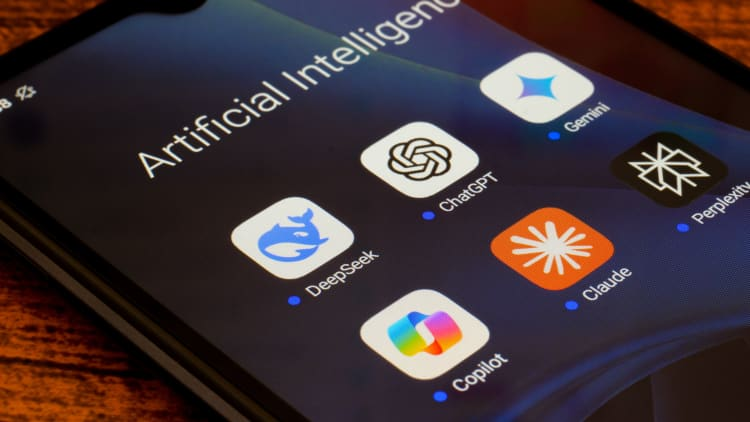
Modeling AI’s Transformative Potential
Research from the National Bureau of Economic Research suggests generative AI tools could drive significant productivity gains as they learn and adapt to human users. In a hypothetical “unbounded growth” scenario modeled by economists Ping Wang and Tsz-Nga Wong, AI could eventually displace about 23% of workers while boosting labor productivity by three to four times over many decades.
Over the next decade, Wang estimates a more immediate—though still speculative—annual productivity increase of roughly 7%. “The resulting productivity gain is huge,” Wang said, emphasizing that AI’s capacity to learn and be tailored to individual tasks distinguishes it from prior technological shifts.
Implications for the Fed’s Dual Mandate
Such shifts could directly affect the employment side of the Fed’s dual mandate. The Federal Open Market Committee’s current longer-run federal funds rate projection of about 3%—moderately accommodative relative to an estimated neutral rate of 3.7%—may need to be recalibrated if AI-driven productivity alters growth and employment trends.
Investor Caution Amid the AI Capex Boom
Some investors draw parallels between today’s rush to build AI data centers and the capital expenditure boom in network components during the 1990s. “The fact that we see a run-up in valuations makes us a little more cautious about future returns,” said Dan Tolomay, CIO at Trust Company of the South. This sentiment reflects broader market vigilance as AI investment surges and productivity expectations become embedded in asset prices.
While the full economic impact of AI remains uncertain, its potential to reshape labor dynamics and productivity growth is now a visible factor in the policy and market outlook. How quickly and widely these gains materialize will influence everything from wage trends to the Fed’s rate path in the years ahead.
Recent
News




Newsletter
Subscribe to our mailing list to get the new updates!

Subscribe our newsletter to stay updated
Most
Reviews
Banner
Markets
- Sun, 18 Jan 2026
Leaven Partners Q4 2025 Letter To Partners
Economy

- Sun, 25 Jan 2026
I am really confused about the consumer
Analysis

Finance

- Wed, 21 Jan 2026