
Tricolor CEO received a $6.25 million bonus weeks before company’s bankruptcy, prosecutors say
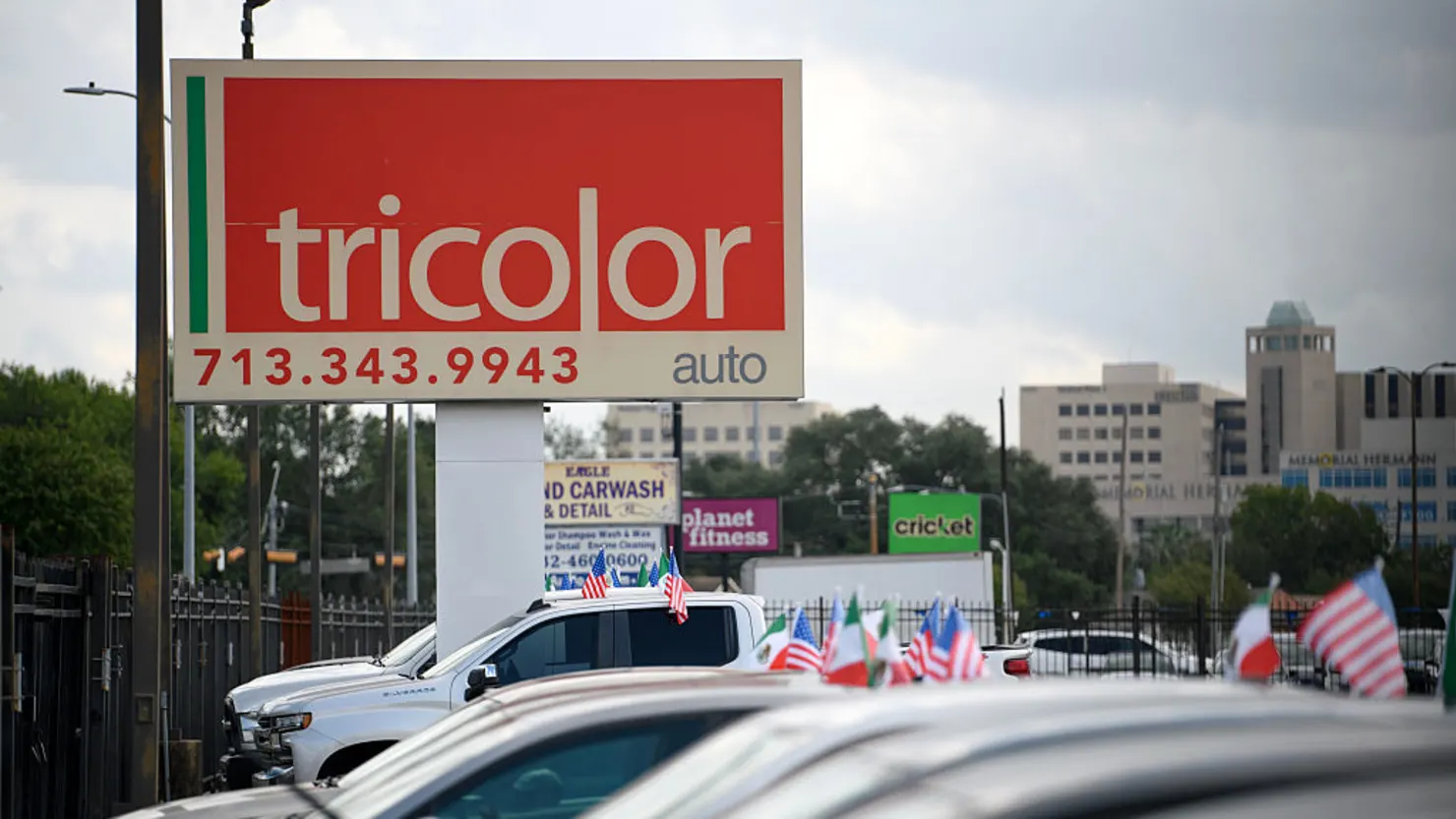
Mexican and American flags attached to vehicles at a Tricolor dealership in Houston, Texas, Sept. 11, 2025.
Federal prosecutors have unsealed an indictment alleging that Daniel Chu, CEO of subprime auto lender Tricolor, directed a massive seven-year fraud scheme and authorized his own $6.25 million bonus payments in August—just weeks before the company filed for bankruptcy and laid off over 1,000 employees.
According to the filing, Chu instructed Chief Financial Officer Jerome Kollar to transfer the final two installments of his $15 million annual bonus on August 19 and 20. He then used part of the funds to purchase a multimillion-dollar property in Beverly Hills later that month. By September 10, Tricolor had entered bankruptcy protection.
The Anatomy of an $800 Million Fraud
Prosecutors allege that, under Chu’s direction, Tricolor created approximately $800 million in “bogus collateral” through two primary methods: double-pledging the same assets for multiple loans and manually altering records to make delinquent loans appear eligible. This fraudulent scheme allegedly deceived several major banks, including JPMorgan Chase, Barclays, and Fifth Third Bank, all of which have disclosed charges tied to Tricolor.
The indictment cites secretly recorded calls from August in which Chu, aware the company was “basically history,” discussed tactics to delay lenders. In one instance, he allegedly proposed falsely attributing data manipulation to a Trump-era loan deferment program. In another, he considered invoking the name of collapsed energy giant Enron to pressure lenders into a settlement.
“Enron raises the blood pressure of the lender when they see that,” Chu said, according to the documents.
A Collapse That Rattled the Banking Sector
Tricolor’s abrupt failure was part of a string of defaults that unsettled the U.S. banking industry this fall, raising broader concerns about underappreciated risks within the financial system. The case highlights how corporate governance failures at a single company can trigger wider contagion, exposing vulnerabilities in lending and risk assessment practices.
The indictment portrays a leadership culture focused on financial deception until the final moments. While employees were placed on unpaid leave days after Chu’s bonus was secured, the CEO was allegedly devising narratives to shift blame, illustrating a stark disconnect between executive actions and corporate survival.
Lawyers representing Chu did not immediately respond to requests for comment on the allegations.
Recent
News



Newsletter
Subscribe to our mailing list to get the new updates!

Subscribe our newsletter to stay updated
Most
Reviews
Markets
- Sat, 17 Jan 2026
Tech Still Matters. But It’s a Good Thing More Stocks Are Rallying.
Invest

Finance
- Sun, 25 Jan 2026
Link MPs’ pay to GDP, says UK business secretary
Banner

Markets