
‘Appetizer economy’: Food inflation is on restaurant table as diners go smaller with menu choices
Lauripatterson | E+
As stubborn food inflation persists, American consumers are adapting with a clear strategy: trading down. New data reveals a sharp rise in appetizer orders at restaurants and a sustained shift toward private-label brands at grocery stores—twin behaviors defining a new era of budget-conscious consumption.
Dining Out: The Rise of the Appetizer
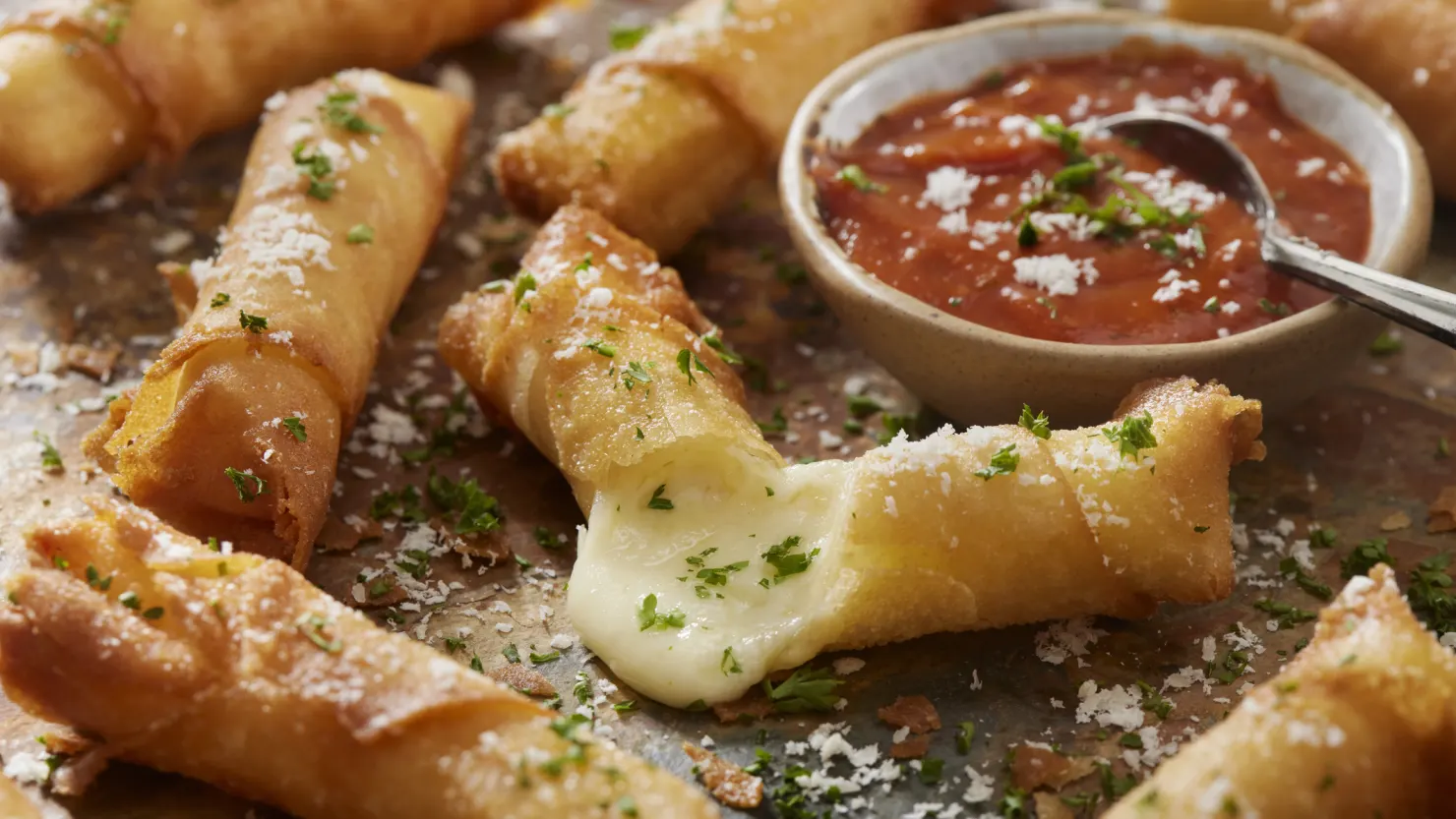
In what industry analysts are calling the "appetizer economy," orders for starters like mozzarella sticks (+36%), pickle chips (+35%), and cheese curds (+33%) have surged 20% year-over-year, even as entrée and dessert sales stagnate or decline. According to Jim Pazzanese of Buyers Edge Platform, this shift is driven by promotions. "Consumers realize appetizers are more frequently tied to promotions and drink specials. This makes eating out more affordable," he said.
For restaurant operators, the trend toward frozen or shelf-stable appetizers also helps manage costs and reduce waste amid unpredictable demand—a practical adaptation in an environment where "food away from home" inflation reached 3.7% in September, with full-service meals up 4.2%.
Grocery Shopping: The Private-Label Surge
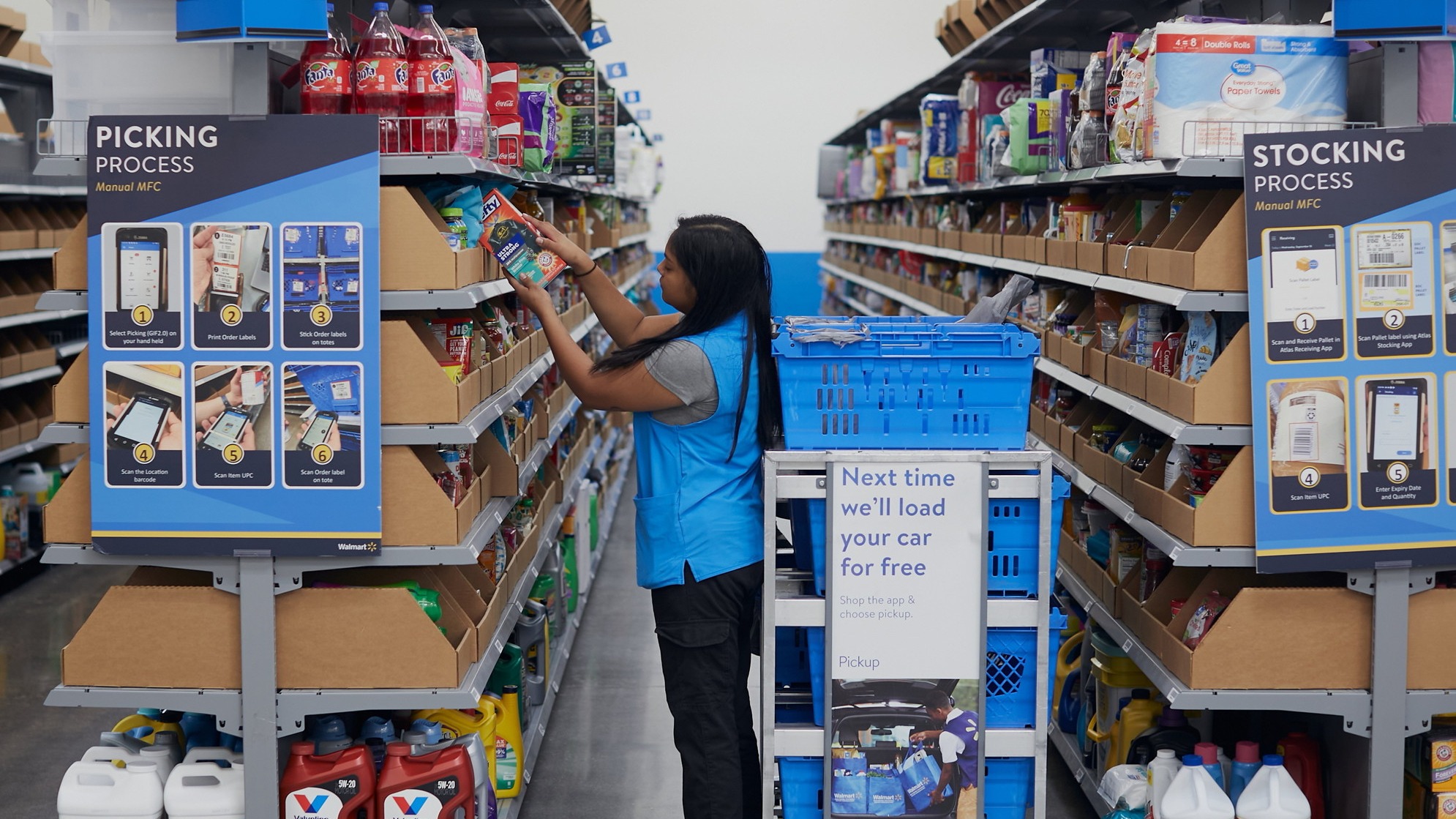
A parallel movement is underway in supermarkets, where consumers are increasingly opting for store brands over national labels. "Consumers can save anywhere from 10-20 percent by switching to a private label," said Brian Choi, CEO of The Food Institute. Retailers like Albertsons, Costco, and Kroger are expanding their private-label shelf space, with Albertsons targeting 30% of sales from its own brands. Amazon recently entered the fray with its "Amazon Grocery" line, featuring many items under $5.
This shift reflects a lasting change in perception: private-label quality is now viewed as on par with national brands. "We expect further growth for private label, and it should outpace national brands in 2026," Choi added.
Inflation's Stubborn Grip and the Road Ahead
Despite easing from 2022 peaks, food inflation remains elevated, with meat, poultry, fish, and egg prices up 5.2% year-over-year. Phil Kafarakis of the International Foodservice Manufacturers Association notes that tariffs and supply chain issues continue to pressure prices, especially for perishables. "Consumers do not understand the food supply chain. It doesn’t correct itself in weeks," he said, predicting some tariff-related relief only by spring.
The current consumer behavior illustrates a "K-shaped" recovery, where higher-income households continue to spend freely while the majority actively seeks savings. This economic adaptation—whether ordering jalapeño poppers instead of a steak or choosing store-brand staples—is likely to persist as households navigate a landscape of elevated costs and economic uncertainty.
Recent
News




Newsletter
Subscribe to our mailing list to get the new updates!

Subscribe our newsletter to stay updated
Most
Reviews
Markets

Finance
- Mon, 26 Jan 2026
AI productivity is about to become visible and investable
Finance

- Tue, 27 Jan 2026
Octopus Energy urges Starmer to ‘embrace’ Chinese technology
Economy
Finance

- Mon, 19 Jan 2026