
China lowers anti-dumping tariffs on European pork exporters
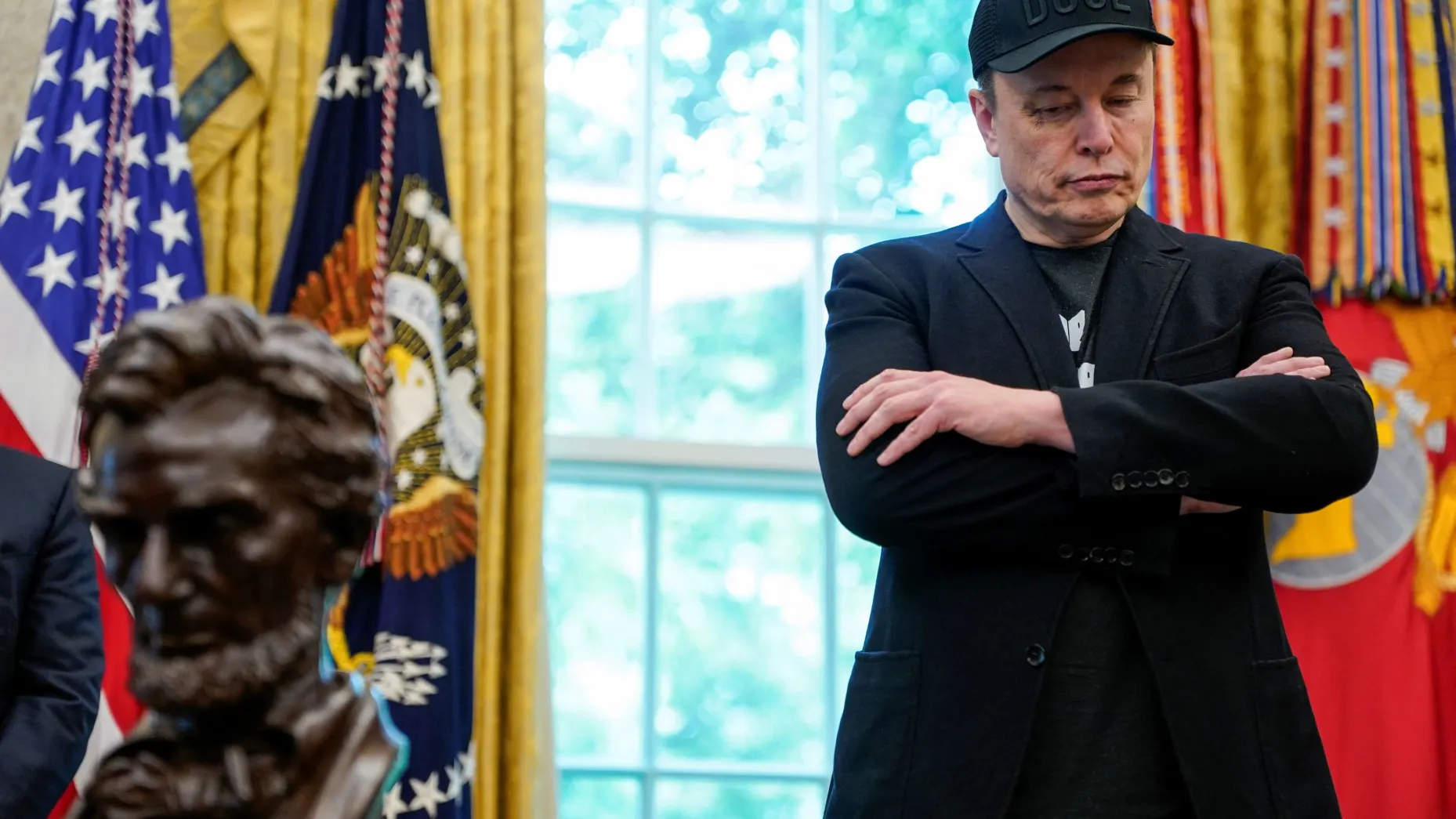
A staff member prepares for the arrival of Chinese Vice Premier Ding Xuexiang and EU Executive Vice-President for a Clean, Just and Competitive Transition, Teresa Ribera during China-EU Sixth High Level Environment and Climate Dialogue (HECD) at the Diaoyutai State Guest House in Beijing on July 14, 2025.
China announced significantly reduced tariffs on pork imports from the European Union on Tuesday, marking a de-escalation in a trade dispute that had simmered for over a year. The new duties, set between 4.9% and 19.8% for dozens of European exporters, will take effect Wednesday and remain for five years, according to China's Ministry of Commerce.
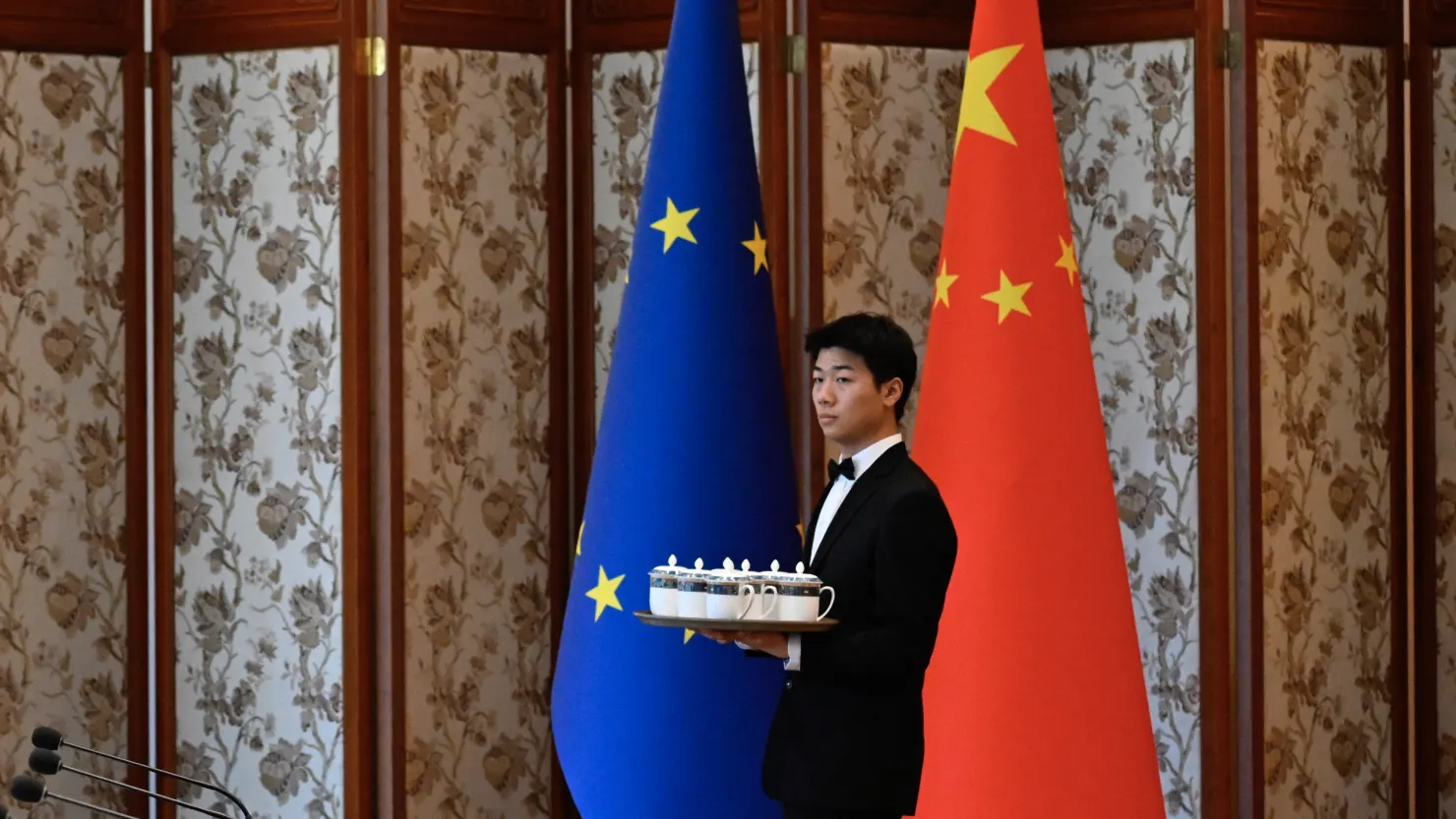
The move concludes an anti-dumping investigation launched in June 2024—a direct countermeasure to the EU's imposition of tariffs up to 45% on Chinese electric vehicles in October 2023. In September, China had imposed provisional anti-dumping tariffs as high as 62.4% on EU pork, making the final rates a substantial moderation.
A Strategic Calibration in Tense Trade Relations
The decision reflects a calculated recalibration between two major trading partners. The EU is the world's largest pork exporter, with China as its single biggest buyer, purchasing roughly 13% of the bloc's annual overseas shipments. Reducing tariffs alleviates pressure on a key European agricultural sector while addressing Beijing's record trade surplus, which exceeded $1 trillion for the year as of November.
This step may help balance broader trade tensions, which have also flared over semiconductors and critical minerals. Recently, China began granting licenses for rare earth exports after a late-October agreement with the U.S., easing supply concerns for European manufacturers. Similarly, Beijing has called for renewed negotiations with the Netherlands following its takeover of Chinese-owned semiconductor firm Nexperia.
The Broader Context of Global Trade Frictions
The tariff adjustment comes amid heightened global trade realignments. With U.S. tariffs redirecting Chinese exports to other markets, the EU has expressed concern over growing trade imbalances. By moderating pork tariffs, China may be seeking to stabilize relations with a crucial economic partner, preventing a spiral of retaliatory measures that could further fragment global trade.
This development underscores how targeted agricultural and industrial policies are being used as both leverage and olive branches in complex geopolitical negotiations, where managing surplus and securing supply chains are paramount.
Recent
News



Newsletter
Subscribe to our mailing list to get the new updates!

Subscribe our newsletter to stay updated
Most
Reviews
Markets
- Fri, 16 Jan 2026
Dollar Recovers on Fed Chair Speculation
More News

Finance

Politics