
Hassett says Fed independence is ‘really important’ and chair candidates shouldn’t be disqualified for being Trump’s friend
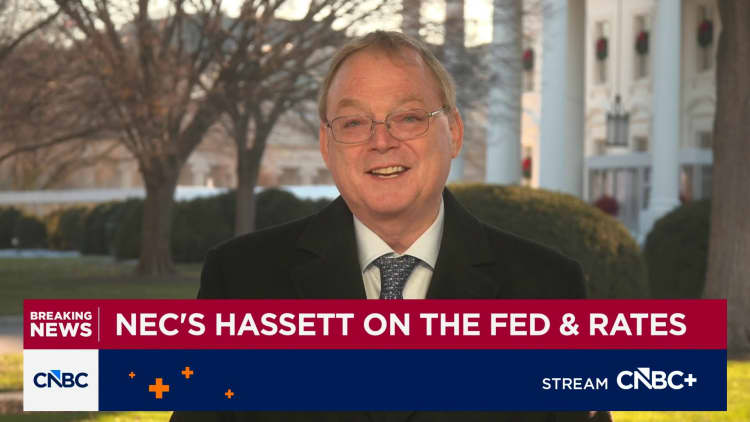
With President Donald Trump nearing a decision on the next Federal Reserve chair, top contender Kevin Hassett publicly emphasized the importance of central bank independence during a CNBC interview Tuesday. The former National Economic Council director, seen as a close Trump ally, sought to address concerns that his relationship with the president could compromise the Fed's autonomy.
"The Federal Reserve’s independence is really, really important," Hassett stated, adding that interest rate decisions should be driven by "consensus based on the facts and the data." His comments come amid reported pushback from some Trump advisors, who worry Hassett would be perceived as too aligned with the White House to uphold the Fed's dual mandate of price stability and maximum employment.
A Contested Final Stretch
Hassett had been considered the frontrunner until last week, when Trump indicated that former Fed Governor Kevin Warsh had moved to the front of the pack following a meeting. Treasury Secretary Scott Bessent, leading the selection process, said Tuesday the decision will likely come in early January. The next chair will succeed Jerome Powell, whose term ends in May 2026 after repeated criticism from Trump over the pace of interest rate cuts.
Despite three consecutive quarter-point cuts since September, Trump has demanded more aggressive easing. Governor Stephen Miran, a Trump appointee, has dissented at each meeting in favor of half-point reductions.
Balancing Loyalty and Institutional Credibility
Hassett defended his close ties to the president, arguing they should not disqualify him. "The idea that someone isn’t qualified for the job because they are a close friend who’s worked well with the president is something that I think the president rejects," he said. However, he reiterated that policy must be grounded in data and committee consensus—a subtle nod to Fed tradition amid Trump's unprecedented public pressure on monetary policy.
Trump has previously suggested the Fed should consult the president on rate decisions, a view Hassett addressed diplomatically: "The president is a seasoned observer of the economy, and if he has a good point, then I’m sure others will recognize it as such."
The selection process highlights the delicate balance between political alignment and institutional integrity. Whichever candidate is chosen will face immediate pressure to navigate between the White House's growth-focused demands and the Fed's need to maintain credibility in its inflation fight amid a softening labor market and lingering price pressures.
Recent
News



Newsletter
Subscribe to our mailing list to get the new updates!

Subscribe our newsletter to stay updated
Most
Reviews
Finance

Economy

- Wed, 28 Jan 2026
GBP/USD holds below 1.3800 as Fed split decision keeps USD firm
Finance

Business

Finance

- Thu, 15 Jan 2026