Airlines cancel 1,400 more flights but disruptions from winter storm ease. Here’s what to know
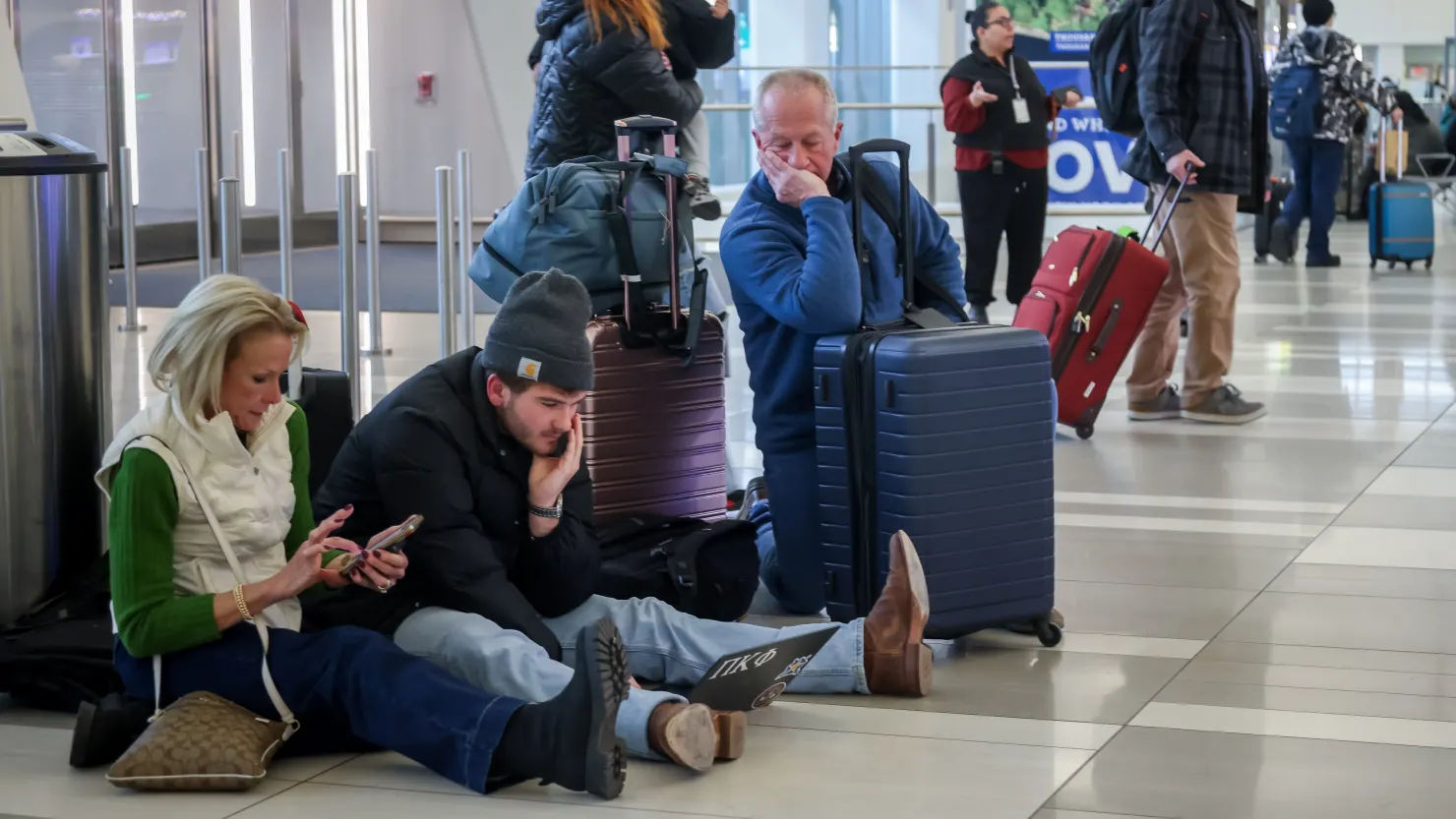
A major winter storm swept through the Northeast over the weekend, disrupting one of the busiest travel periods of the year and leading to more than 1,400 flight cancellations and 11,000 delays across the United States. Airlines proactively waived change fees as they worked to manage the impact during the peak Christmas travel window.
New York-area airports bore the brunt of the disruptions. At John F. Kennedy International Airport, more than 130 flights—about 20% of scheduled departures—were canceled, while LaGuardia Airport saw 87 cancellations and Newark Liberty International Airport scrubbed 72 departures. Despite snowfall totals coming in lower than initially forecast, the operational ripple effects were significant.
Airlines Issue Waivers and Brace for Record Travel
Ahead of the storm, carriers including American Airlines, Delta, United, Southwest, and JetBlue waived change fees—even for restrictive basic economy tickets—for travelers flying through affected Northeast airports. Passengers were allowed to rebook without fare differences, provided they travel by year-end.
The disruption comes during an expected record holiday travel period. Industry group Airlines for America forecasts airlines will carry 52.6 million passengers between December 19 and January 5, with peak days including the Friday and Sunday surrounding Christmas.
Proactive Cancellations Aim to Limit Chaos
Airlines often preemptively cancel flights ahead of major weather events to prevent aircraft, crews, and connecting passengers from becoming stranded—a strategy aimed at containing operational cascades and speeding recovery. Over 1,700 flights were canceled on Friday alone, most in anticipation of the storm, with nearly 400 more scrubbed on Sunday.
While snowfall totals were moderate—about four inches at both JFK and Newark—the timing during peak holiday volume amplified the impact. Travelers were urged to fly as early as possible, given scarce seat availability in the busy Christmas week.
The storm underscores the persistent vulnerability of travel infrastructure to winter weather, even as airlines refine their disruption management playbooks. For thousands of passengers, the weekend served as a reminder that despite advanced forecasting and flexible policies, holiday travel remains at the mercy of the elements.