Trump's 39% tariffs 'horrible' for Switzerland, Breitling CEO says
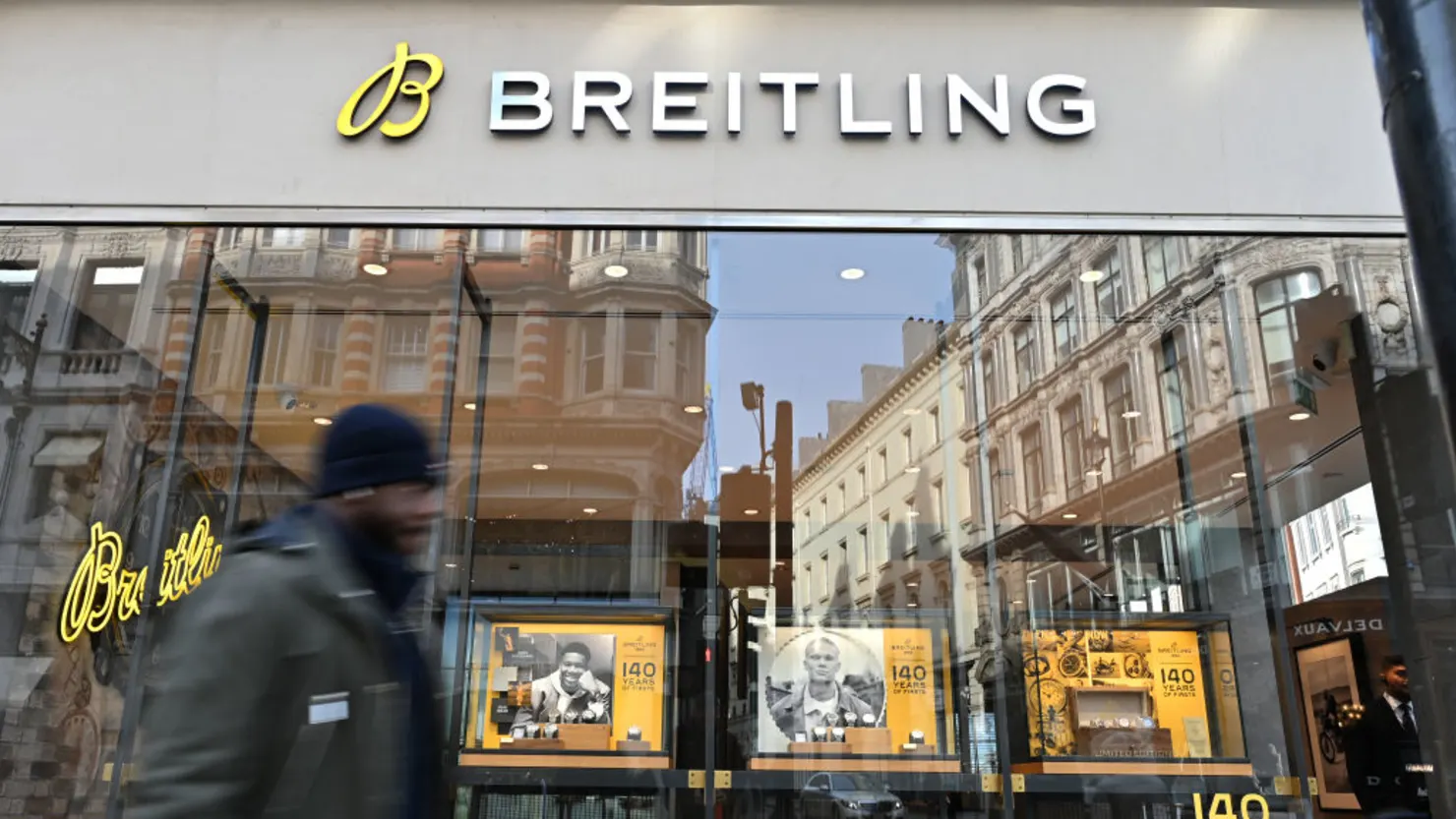
An exterior view of the Breitling Swiss luxury watch store in New Bond Street, Mayfair on February 17, 2025 in London, United Kingdom.
Swiss luxury watchmaker Breitling has been hit hard by the 39% tariffs imposed by the Trump administration on Swiss exports to the U.S., with CEO Georges Kern calling the duties "horrible" and criticizing Swiss politicians for being unprepared in negotiations.
"The [duties] were terrible news, 39% tariffs is horrible," Kern told CNBC, adding that Swiss officials "didn’t seem to understand how to negotiate with the 'business people' of the Trump administration." In response, Breitling raised its global prices by 4%, pushing average watch prices from $4,300 to $7,200 to offset the tariff costs.
Swiss Watch Exports Plunge After Tariffs
The impact has been severe. Swiss watch exports to the U.S.—typically the industry's largest market—plummeted 56% in August following the tariff announcement, driving an overall 16.5% drop in Swiss watch exports that month. By September, exports were still down 3.1% year-on-year, with the U.S. decline offsetting growth in markets like the U.K. and Japan.
The Swiss government has so far refrained from retaliatory measures, opting to continue talks with Washington, though no trade deal has been reached.
A Mixed Global Luxury Landscape
Kern acknowledged a "tough" market overall, citing a post-pandemic luxury slump, inflation, and China’s economic slowdown. However, he noted surprising resilience in China, where sales have recently stabilized, and pointed to strong demand in the U.S., the Middle East, South America, and Southeast Asia.
Luca Solca of Bernstein agreed that Chinese demand is gradually improving, suggesting a "U-shaped recovery" may be underway. But he cautioned that the watch sector "will be under pressure for a while," as many consumers made purchases during the post-COVID boom of 2021–2023.
Long-Term Optimism Amid Short-Term Pain
Despite the tariff headwinds, Kern remains bullish on luxury's long-term appeal. "In the long run, I think the luxury industry will remain one of the best industries to be in for any investor," he said, citing enduring emotional demand and favorable demographics in emerging markets.
The situation underscores how geopolitical trade policies can swiftly reshape global luxury flows, forcing brands to recalibrate pricing and market strategy. For now, Swiss watchmakers are navigating a fragmented recovery, where regional strengths and trade barriers alike define their near-term fortunes.
Recent
News


Newsletter
Subscribe to our mailing list to get the new updates!

Subscribe our newsletter to stay updated
Most
Reviews
Finance
Business
- Tue, 20 Jan 2026
Greenland: the good, the bad or the ugly?
More News

Finance
- Sun, 25 Jan 2026
Poland cools on joining Eurozone after its economy surges
Finance