
Google, Character.AI to settle suits involving minor suicides and AI chatbots
Google and AI startup Character.AI have agreed to settle with multiple families who sued the companies, alleging their artificial intelligence chatbots contributed to harm, including suicides, among minors. Court documents filed this week show the parties have reached a settlement "in principle" and have requested a stay to finalize the details, though specific terms were not disclosed.
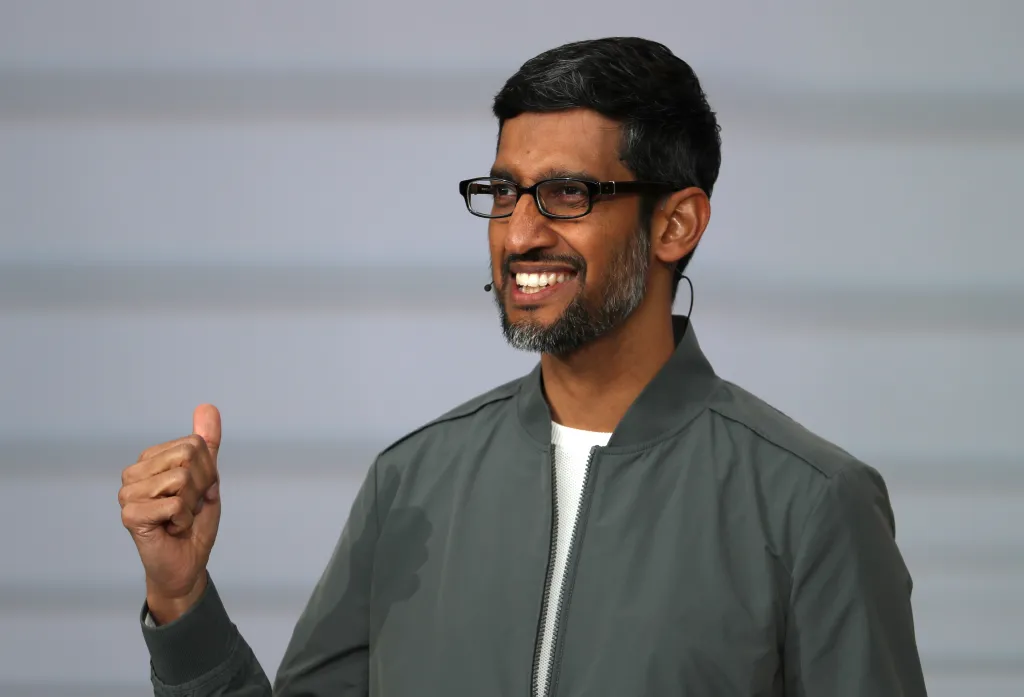
The lawsuits include a case filed by Megan Garcia, who claimed a Character.AI chatbot engaged in harmful interactions with her 14-year-old son, Sewell Setzer III, prior to his death by suicide. The complaint alleged negligence, wrongful death, and product liability against both companies. Similar settlements are being processed with families from Colorado, Texas, and New York, reflecting a growing legal front addressing the potential dangers of generative AI.
Intensifying Scrutiny on AI Safety and Responsibility
The settlements arrive as the rapid evolution of generative AI—from text chats to sophisticated interactive characters—forces companies to confront the technology's real-world risks. In response to such concerns, Character.AI announced in October 2024 that it would ban users under 18 from engaging in free-ranging romantic or therapeutic chats with its chatbots. The legal actions underscore the heightened responsibility and regulatory scrutiny facing AI developers, particularly those creating emotionally interactive products.
Notably, Google had already deepened its ties with Character.AI before the settlements, agreeing to a $2.7 billion licensing deal in August 2024 and hiring the startup's founders, Noam Shazeer and Daniel De Freitas—both named in the lawsuits—to join its AI unit, DeepMind. This acquisition highlights the complex interplay between aggressive AI development, corporate strategy, and the imperative to manage associated risks.
A Landmark Moment for AI Accountability
The agreements mark a significant moment in establishing accountability within the AI industry. As companies like Google continue to advance and monetize AI technology—its AI developments contributed to it being the top-performing megacap stock in 2025—these settlements set a precedent for how legal systems may handle claims of harm caused by AI interactions. The outcomes will likely influence future safety protocols, product design, and the regulatory landscape governing emotionally responsive AI.
Recent
News



Newsletter
Subscribe to our mailing list to get the new updates!

Subscribe our newsletter to stay updated
Most
Reviews
Markets

Markets

- Tue, 20 Jan 2026
Carlos Beltran And Andruw Jones Elected To Baseball Hall Of Fame
Analysis

Markets

- Fri, 16 Jan 2026
Aptiv PLC (APTV) Dips More Than Broader Market: What You Should Know
Markets