
Knee Pain Relief: Your Complete Guide to Treatment, Exercises, and Long-Term Management
Knee pain stops you from doing what you love. Walking upstairs becomes a chore. Playing with your kids or grandkids feels impossible. Getting out of a chair requires a plan. If you've been searching for knee pain relief, arthritis knee treatment, or chronic knee pain solutions, you're not alone. Millions of Americans deal with knee issues every day. The good news? You don't have to live with it. This guide covers everything: from understanding what's causing your pain, to knee pain exercises that actually help, to knee joint therapy options, and a complete knee pain management plan you can start today.
Part 1: Why Your Knee Hurts – Common Causes and When to See a Doctor
Before you can treat knee pain, you need to understand what's causing it. Different causes require different approaches.
Osteoarthritis (most common in adults over 50)
Cartilage wears down over time, causing bone-on-bone friction. Pain is worse after activity and at the end of the day. Morning stiffness lasts less than 30 minutes.
Rheumatoid arthritis (autoimmune)
The body attacks its own joint lining. Pain is often symmetrical (both knees). Morning stiffness lasts more than an hour. You may feel fatigued or have a low fever.
Patellofemoral pain syndrome (runner's knee)
Pain around or behind the kneecap, especially when climbing stairs, squatting, or sitting with bent knees for long periods. Common in active young adults.
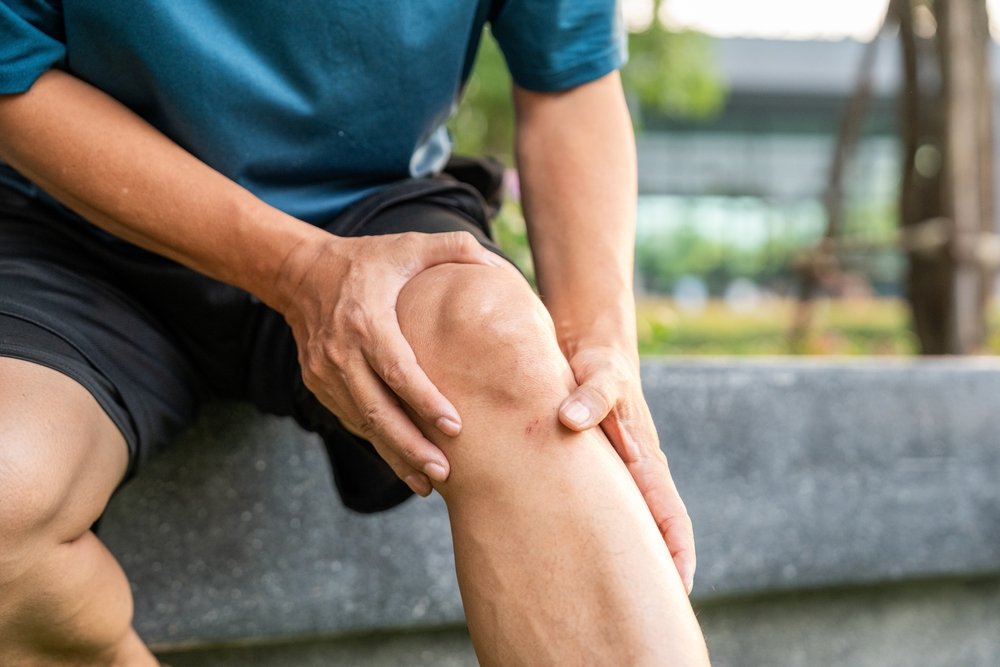
Meniscus tear
Sudden pain after twisting your knee. You may feel catching, locking, or giving way. Common in athletes and older adults with degenerated cartilage.
Tendonitis (jumper's knee)
Pain at the front of the knee, just below the kneecap. Worse with jumping, running, or kneeling. Common in basketball and volleyball players.
Bursitis
Swelling and pain on the inside or front of the knee, often from kneeling for long periods. The knee may feel warm and look puffy.
When to see a doctor immediately:
Your knee is visibly deformed or crooked
You cannot bear weight on it
You have severe swelling, redness, or warmth (possible infection)
You heard a "pop" at the time of injury
You have a fever with knee pain
When to see a doctor within a week:
Pain persists for more than 2 weeks despite home treatment
Your knee locks or catches
You have recurring instability (giving way)
You can't fully straighten or bend your knee
Part 2: Immediate Knee Pain Relief – What You Can Do Right Now
When your knee hurts, you want relief now. Here are proven methods for knee pain relief that work in minutes to hours.
The RICE protocol (for acute injuries, sprains, or flare-ups)
Rest: Stop activities that cause pain. Use crutches if walking is painful.
Ice: Apply an ice pack (wrapped in a thin towel) for 15-20 minutes every 2-3 hours. Never put ice directly on skin.
Compression: Use an elastic bandage or knee sleeve to reduce swelling. Not too tight (shouldn't cause numbness or tingling).
Elevation: Prop your knee above heart level when sitting or lying down. This helps drain excess fluid.
Over-the-counter medications
Acetaminophen (Tylenol): Good for pain, doesn't reduce inflammation. Safer for long-term use.
NSAIDs (ibuprofen, naproxen): Reduce both pain and inflammation. Take with food. Don't use long-term without doctor approval.
Topical pain relievers
Voltaren gel (diclofenac): Prescription-strength NSAID now available over the counter. Apply 4 times daily.
Capsaicin cream (from chili peppers): Blocks pain signals. May cause burning sensation at first.
Menthol or camphor creams: Provide cooling or warming sensation that distracts from pain.
Knee braces and supports
Compression sleeve: Mild support, reduces swelling, provides proprioceptive feedback (helps you feel where your knee is in space).
Hinged brace: Moderate support for ligament injuries or osteoarthritis.
Unloader brace: For arthritis where cartilage is worn on one side of the knee. Shifts weight away from damaged area.
| Support Type | Best For | Cost Range |
|---|---|---|
| Compression sleeve | Mild pain, swelling, daily activities | $15–$40 |
| Patellar strap | Runner's knee, tendonitis below kneecap | $10–$25 |
| Hinged brace | Ligament injuries, moderate instability | $40–$150 |
| Unloader brace | Arthritis (bone-on-bone) | $300–$1,500 (may be covered by insurance) |
Part 3: Knee Pain Exercises That Actually Help (And Which Ones to Avoid)
Exercise is medicine for knees. The right knee pain exercises strengthen muscles that support the joint, improve range of motion, and reduce stiffness. The wrong exercises can make pain worse.
Safe exercises for most knee conditions:
1. Straight leg raises (quadriceps strengthening)
Lie on your back with one leg bent, the other straight. Tighten your straight leg's thigh muscle, then lift it to the height of your bent knee. Hold 5 seconds, lower slowly. Repeat 10-15 times, 2-3 sets.
2. Hamstring curls (back of thigh)
Stand holding a chair. Bend your affected knee, bringing your heel toward your buttock. Don't move your thigh. Hold 5 seconds, lower slowly. Repeat 10-15 times, 2-3 sets.
3. Heel and calf raises
Stand holding a chair. Rise up onto your toes, then lower slowly. Works calves, which support knee stability. Repeat 10-15 times, 2-3 sets.
4. Mini squats (partial range)
Stand with feet shoulder-width apart, holding a chair. Slowly lower your buttocks 6-8 inches as if sitting back. Keep your back straight, knees over ankles (not over toes). Go only to where you feel no pain. Repeat 10-15 times.
5. Step-ups (low step)
Use a 4-6 inch step (or a thick book). Step up with your good leg, then bring your painful leg up. Step down with your painful leg first. Repeat 10 times, 2-3 sets.
6. Seated knee extension
Sit in a chair with your feet flat. Straighten your painful leg, hold 5 seconds, lower slowly. Add ankle weights as you get stronger (start with 1-2 pounds).
Exercises to avoid with knee pain:
Full squats (going below parallel)
Lunges (especially deep lunges)
Leg press machine with heavy weight
Running on hard surfaces (concrete, asphalt)
Jumping exercises (box jumps, burpees, jumping jacks)
Deep knee bends
Pro tip: If an exercise causes sharp pain, stop. If it causes dull, achy pain during or after, you may be doing too much. Reduce repetitions or weight.
Part 4: Arthritis Knee Treatment – Medical Options for Long-Term Relief
If you've been diagnosed with osteoarthritis or rheumatoid arthritis, arthritis knee treatment goes beyond basic home care. Here's what doctors recommend at each stage.
Stage 1: Mild arthritis (occasional pain, no visible damage on X-ray)
Weight loss (if overweight – every pound lost reduces knee load by 4 pounds)
Physical therapy (strengthen quadriceps, hamstrings, glutes)
Activity modification (avoid high-impact sports, use stairs instead of squatting)
NSAIDs as needed
Knee sleeve or brace for confidence
Stage 2: Moderate arthritis (frequent pain, some cartilage loss on X-ray)
Continue Stage 1 treatments
Corticosteroid injections (cortisone) – reduce inflammation for 3-6 months. Limit to 3-4 times per year.
Viscosupplementation (hyaluronic acid injections) – "gel shots" that lubricate the joint. 1-5 injections over weeks. May provide relief for 6-12 months.
Physical therapy with focus on gait training (how you walk)
Stage 3: Severe arthritis (constant pain, significant cartilage loss)
All of the above
Knee osteotomy (re-aligns bone to shift weight to healthier cartilage) – for younger, active patients not ready for replacement
Partial knee replacement (resurfaces only the damaged compartment) – smaller incision, faster recovery
Stage 4: End-stage arthritis (bone-on-bone, deformity possible)
Total knee replacement (resurfaces all three compartments) – highly successful, 90-95% satisfaction rate
Recovery: 6 weeks with walker/cane, 3-6 months to return to most activities, 1 year for full recovery
Knee joint therapy for arthritis also includes:
Aquatic therapy: Exercising in warm water (92-96°F) reduces joint load and provides gentle resistance.
Manual therapy: Hands-on techniques from a physical therapist to improve mobility and reduce stiffness.
TENS unit: Electrical stimulation that blocks pain signals (can be used at home).
Part 5: Chronic Knee Pain Solutions – When Nothing Seems to Work
Chronic knee pain solutions are for people who have tried basic treatments but still hurt. If you've been dealing with pain for more than 3 months, consider these advanced approaches:
Regenerative medicine (still evolving, mixed evidence)
Platelet-rich plasma (PRP): Your blood is drawn, spun to concentrate platelets, then injected into your knee. May stimulate healing. Cost: $500–$2,000 per injection. Not always covered by insurance.
Stem cell therapy: Cells from your bone marrow or fat are injected into the knee. Expensive ($3,000–$8,000). Evidence is mixed. Most insurance does not cover.
Radiofrequency ablation (RFA)
Nerves carrying pain signals from your knee are heated (ablated) to stop them from working. Pain relief can last 6-12 months. Best for patients who are not candidates for surgery. Covered by Medicare and most insurance.
Genicular nerve block
A diagnostic injection that numbs the nerves around your knee. If it works, you may be a candidate for RFA. Provides temporary relief (hours to days).
Cognitive behavioral therapy (CBT)
Chronic pain changes how your brain processes signals. CBT teaches techniques to reduce pain perception, manage stress, and improve function. Effective for many chronic conditions.
Pain psychology
Works with a psychologist who specializes in chronic pain. Addresses fear of movement (kinesiophobia), catastrophizing, and depression that often accompany long-term knee pain.
Part 6: Knee Pain Management – A Daily Plan for Living Well
Knee pain management isn't about a single treatment. It's about daily habits that keep your knees healthy and pain under control.
Morning routine (5-10 minutes)
Before getting out of bed, pump your ankle up and down 10 times (this activates calf muscles and improves circulation)
Do 5 straight leg raises while lying down
Sit on the edge of the bed, slowly straighten and bend your knee 10 times
Throughout the day
Take breaks from sitting every 30 minutes. Stand, walk a few steps, do a few heel raises.
Use good body mechanics: when lifting, bend your hips and knees, not your back. Keep the load close.
Wear supportive shoes with cushioning. Avoid flat, hard-soled shoes (Converse, Vans, flip-flops).
If you have a desk job, use a footrest so your knees are at 90 degrees or slightly lower.
Exercise routine (3-5 times per week)
10-20 minutes of low-impact cardio (stationary bike, elliptical, swimming, walking on flat ground)
15 minutes of strengthening (straight leg raises, hamstring curls, mini squats, step-ups)
5-10 minutes of stretching (hamstring stretch, calf stretch, quadriceps stretch)
Evening routine
Apply ice if you have swelling or pain after activity
If your knee is stiff, apply heat for 15 minutes before bed (moist heat is best)
Sleep with a pillow between your knees if you sleep on your side
If you sleep on your back, place a pillow under your knees to reduce pressure
Weight management
Every pound of body weight adds 4 pounds of pressure to your knees when walking. Losing 10 pounds reduces knee load by 40 pounds per step. If you're overweight, weight loss is the single most effective chronic knee pain solution.
Part 7: Assistive Devices – When You Need Extra Help
Don't be ashamed to use tools that make walking easier and safer.
Cane
Hold in the hand opposite your painful knee. For example, if your right knee hurts, hold the cane in your left hand. This shifts weight away from the painful side. Height: cane top should reach your wrist crease when standing with arm at side.
Walker
Useful for severe arthritis, after surgery, or if you have balance problems. Rolling walkers (with wheels) are easier to use than standard walkers.
Knee scooter
Not for walking, but for people who cannot bear weight on one leg (after meniscus repair, fracture). Allows you to rest your knee while moving around.
Shoe inserts (orthotics)
Custom or over-the-counter inserts can correct alignment issues that cause knee pain. Wedged inserts (valgus or varus) shift weight to healthier cartilage. Ask your doctor or physical therapist.
Part 8: When Surgery Is the Right Choice – And When It's Not
Knee replacement is highly successful, but it's not for everyone. Here's how to know if you're ready.
You may be a candidate for knee replacement if:
You have bone-on-bone arthritis confirmed on X-ray
You've tried non-surgical treatments (physical therapy, medications, injections) for at least 6 months
Knee pain interferes with sleep, daily activities, or your ability to work
You can walk only short distances (less than 1 block)
You have significant deformity (bow-legged or knock-kneed)
You may NOT be ready for knee replacement if:
Your pain is mild or intermittent
You have other health conditions that make surgery risky (uncontrolled diabetes, severe heart disease, active infection)
You are significantly overweight and haven't tried weight loss
You have unrealistic expectations (wanting to run marathons after surgery – most knee replacements are for walking, light hiking, golf, doubles tennis)
Partial vs. total knee replacement
Partial (unicompartmental): Only one compartment of the knee is replaced. Smaller incision, faster recovery, feels more natural. Only for patients with damage in one area.
Total: All three compartments are replaced. More predictable long-term results. Most common.
Recovery timeline:
Hospital stay: 1-2 days
Walker: 2-4 weeks
Cane: 4-8 weeks
Driving: 4-6 weeks (right knee), 2-3 weeks (left knee with automatic transmission)
Return to desk job: 4-6 weeks
Return to physical job: 3-6 months
Full recovery (strength, endurance): 1 year
Part 9: Knee Pain Relief for Specific Situations
Knee pain at night
Often caused by inflammation that builds up during the day. Solutions: ice before bed, sleep with pillow between knees (side sleeper) or under knees (back sleeper), take an NSAID with dinner.
Knee pain when climbing stairs
Strengthen your glutes (buttocks). Weak glutes force your quads and knees to do more work. Try bridges, clamshells, and side-lying leg lifts.
Knee pain when sitting for long periods (movie theater sign)
Common with patellofemoral pain. Stretch your quadriceps before sitting. Take breaks to stand and walk every 30 minutes. Sit with knees slightly lower than hips (use a footrest).
Knee pain when running
Often due to overtraining or poor form. Reduce mileage, run on soft surfaces (track, trail, treadmill), strengthen hips and glutes, consider changing shoes (stability vs. neutral). See a running specialist physical therapist.
Knee pain after knee replacement
Some pain is normal for up to 6 months. Scar tissue massage, gentle stretching, and continued physical therapy help. If pain is sharp or worsening, see your surgeon.
Part 10: Frequently Asked Questions About Knee Pain
What's the best knee pain relief for arthritis?
Weight loss (if needed), quadriceps strengthening, and low-impact cardio are the foundation. Add NSAIDs or topical Voltaren gel for flare-ups. Corticosteroid injections for moderate pain. Knee replacement for severe, bone-on-bone arthritis.
Can knee pain go away on its own?
Minor sprains and strains often improve within 2-4 weeks with rest and ice. Arthritis and chronic conditions typically require ongoing management.
Is walking good for knee pain?
Yes, if you walk on flat, soft surfaces (not hills, not concrete). Start with 5-10 minutes daily. Increase gradually. If walking increases pain, reduce duration or switch to stationary bike.
What exercises should I avoid with knee pain?
Deep squats, lunges, leg presses, running on hard surfaces, jumping. Avoid anything that causes sharp pain during or after.
How do I know if I need knee surgery?
You've tried non-surgical treatments for at least 6 months, have bone-on-bone arthritis on X-ray, and pain interferes with sleep and daily activities. Discuss with an orthopedic surgeon.
Can a knee brace help arthritis?
Unloader braces can help if your arthritis is on one side of the knee (medial or lateral). Basic compression sleeves provide mild support and swelling reduction but don't change joint mechanics.
Part 11: Your Action Plan – Start Today
For acute knee pain (lasts less than 2 weeks):
Apply RICE (rest, ice, compression, elevation)
Take OTC pain relievers as needed
Avoid painful activities
If not improved in 7-10 days, see a doctor
For chronic knee pain (more than 6 weeks):
Start the daily knee pain management routine (morning stretch, low-impact cardio, strengthening exercises)
Lose weight if needed (every pound lost helps)
See a physical therapist for a home exercise program
Discuss arthritis knee treatment options with your doctor (injections, medications, surgery evaluation)
For severe knee pain (can't walk, knee gives way, or pain wakes you at night):
See an orthopedic surgeon within 1-2 weeks
Bring a list of treatments you've already tried
Get X-rays (and possibly MRI) to determine the cause