
Consumers are feeling gloomy about the economy. Here’s why they’re spending anyway
Despite pervasive economic anxiety, U.S. consumers appear determined to make the holidays special, driving a robust start to the crucial shopping season even as broader sentiment remains near multi-year lows.
For Andre Lewis, a 31-year-old rideshare driver in New York City, the season overrides daily financial worries. "Christmas is the one day I let myself stop worrying," he said, planning to buy his 7-year-old daughter a coveted pink keyboard even if it stretches his budget.
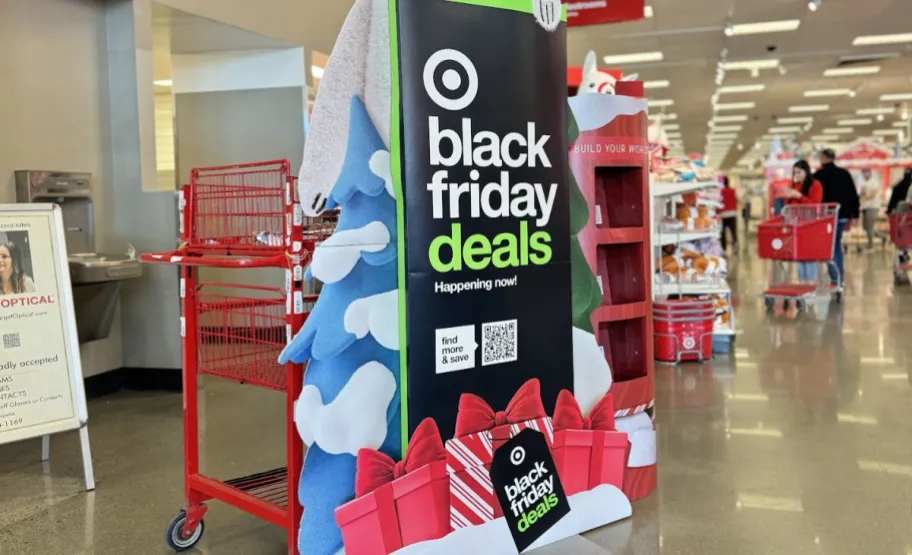
This sentiment seems widespread. Early holiday turnout hit a nine-year high, with nearly 203 million shoppers visiting stores and websites over the five-day Thanksgiving-to-Cyber Monday period, according to the National Retail Federation (NRF). Major retailers like Walmart, Costco, and discretionary brands including Gap and Abercrombie & Fitch reported quarterly sales that exceeded Wall Street expectations, noting steady demand.
"I know everybody's looking for cracks in consumer health," Walmart CFO John David Rainey told CNBC. "It feels pretty consistent to us."
The resilience is notable given that the University of Michigan's consumer sentiment index hit its lowest level in over three years in early November, reflecting worries over high costs, tariffs, and a cooling job market. Yet several factors are insulating holiday spending: a still-tight labor market, accumulated savings, and the emotional priority families place on the season.
"One of the key drivers here is that for many Americans... holiday spending is an essential part of the budget," said NRF CEO Matthew Shay. Higher-income consumers, buoyed by home and stock market gains, are also providing significant support.
Marcus Feldman, a project manager from Cambridge, Massachusetts, exemplifies this, planning to spend 15% more this year on a family ski trip and nicer gifts. "It’s partly because we can and partly because life’s short," he said, observing crowded shopping streets despite gloomy headlines.
Analysts note that consumers have postponed major purchases like homes and cars due to high interest rates, potentially freeing up cash for holiday goods. The key question for economists and investors is whether this festive resilience will persist into the new year or if the underlying consumer anxieties will eventually surface in spending data.
Recent
News


Newsletter
Subscribe to our mailing list to get the new updates!

Subscribe our newsletter to stay updated
Most
Reviews

Markets

- Thu, 15 Jan 2026
Forex Today: US Dollar holds gains ahead of US data, Fedspeak
Markets
.jpg)
Finance

- Thu, 15 Jan 2026
Rio Tinto and BHP team up for iron ore savings in Australia
Finance
- Fri, 16 Jan 2026