Bone on Bone Knee Pain: Understanding Non-Surgical Treatment Options for Lasting Relief
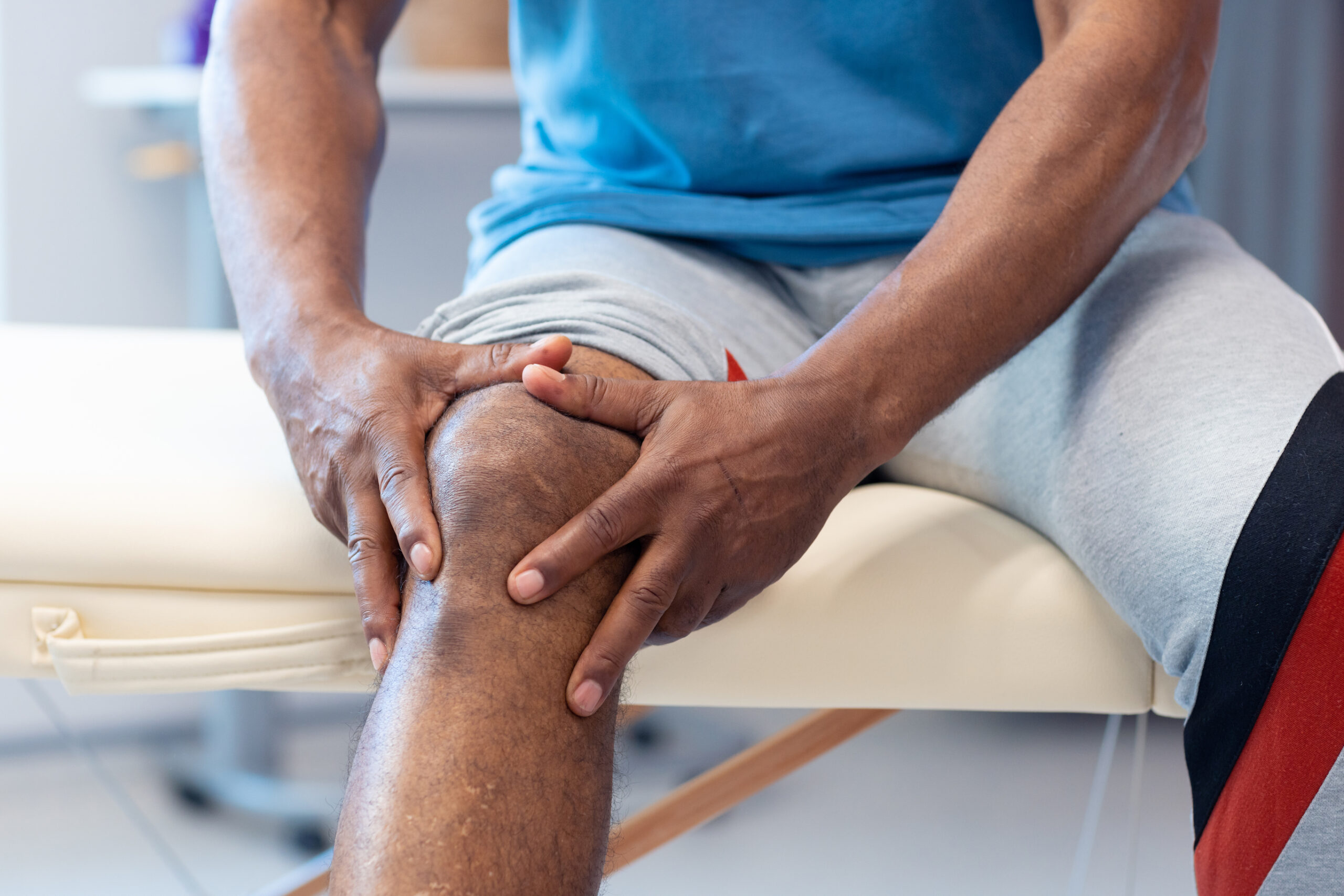
Living with knee pain that doctors describe as "bone on bone" can feel discouraging—especially when surgery seems like the only option. This condition, medically known as advanced osteoarthritis, occurs when the protective cartilage between bones wears away completely, causing bones to rub directly against each other. The good news is that significant advances in non-surgical treatments now offer genuine relief for many patients. This guide explores the most promising approaches available today, helping you understand what options exist and how to choose the right path for your situation.
What Leads People to Seek Non-Surgical Knee Pain Relief
Most individuals begin searching for "bone on bone knee pain relief without surgery" after receiving an osteoarthritis diagnosis and wanting to avoid or delay invasive procedures. Others look for "treatment for bone on bone knee" following failed attempts with simple painkillers or basic physical therapy. The desire to maintain an active lifestyle—to continue walking, gardening, or playing with grandchildren—drives the search for effective alternatives. When pain interferes with sleep, work, and daily activities, finding "knee pain relief without surgery" becomes a priority that affects every aspect of life.
The Mechanism Behind Non-Surgical Knee Treatments
Understanding how different treatments work helps you evaluate which might suit your situation. Advanced physical therapy addresses the muscles and mechanics around the knee—strengthening supporting muscles reduces the load on damaged joints, while improving flexibility maintains range of motion. Regenerative medicine approaches like stem cell therapy aim to modify the underlying disease process. These treatments introduce concentrated cells or growth factors to the joint, potentially stimulating cartilage repair and reducing inflammation. Wearable pain relief devices use technologies like electrical stimulation (TENS) or focused heat to interrupt pain signals and improve function during daily activities. Hydrotherapy leverages water's buoyancy to allow exercise without stressing the joint, maintaining strength while minimizing discomfort. Acupuncture works through multiple mechanisms—releasing natural pain-relieving compounds, improving local circulation, and modulating pain perception. Each approach targets different aspects of the pain experience, which is why combination treatments often work best.
Advantages of Non-Surgical Approaches
Choosing non-surgical treatment for "bone on bone knee" offers several significant advantages. Avoiding surgical risks eliminates concerns about anesthesia complications, post-surgical infections, and blood clots. No lengthy recovery means you can maintain your daily routine without weeks or months of rehabilitation. Lower cost compared to surgical interventions makes these approaches accessible to more patients. Flexibility to adjust treatments based on response allows personalized optimization—what works for one patient may differ for another. Many of these approaches, particularly physical therapy and hydrotherapy, provide additional health benefits beyond knee pain relief, including improved cardiovascular fitness and overall strength. For those seeking "help bone on bone knee pain," the ability to try different combinations without permanent commitment offers peace of mind.
Potential Considerations: What to Evaluate Before Choosing
When researching "new treatment for knee pain without surgery," several factors deserve careful evaluation. Evidence level varies—some treatments have extensive research support, while others rely on preliminary studies or anecdotal reports. Provider qualifications matter enormously; regenerative medicine should only be performed by physicians with specific training, and physical therapy requires licensed professionals. Cost and insurance coverage differ widely—some approaches may not be covered by insurance, requiring out-of-pocket payment. Time commitment varies from daily home use of wearable devices to weekly therapy sessions. Realistic expectations are essential; even the best treatments may reduce pain by 50-70% rather than eliminating it entirely. Combination potential should be discussed with providers—many patients benefit from using multiple approaches simultaneously, like physical therapy plus acupuncture.
Recovery and Daily Experience: Living with Ongoing Management
Unlike surgery with its defined recovery period, non-surgical treatment for "bone on bone knee pain" involves ongoing management. Patients typically incorporate multiple strategies into daily life—morning exercises to maintain flexibility, wearing supportive devices during activities, and scheduling regular maintenance appointments. Many find that consistency matters more than intensity; fifteen minutes of daily targeted exercise often outperforms longer sessions done sporadically. Tracking pain levels and function helps identify what works and when adjustments are needed. Most importantly, patients learn to listen to their bodies, pacing activities to avoid flare-ups while maintaining enough movement to keep joints nourished. This active participation in your own care can be empowering, transforming you from a passive recipient of treatment to an engaged manager of your health.
Implementation Steps: Your Path to Finding Relief
Making a confident plan for "knee pain relief without surgery" involves a systematic approach. Begin with comprehensive evaluation by a specialist who understands both surgical and non-surgical options—an orthopedist, physiatrist, or sports medicine physician. Get specific about your diagnosis—imaging may reveal whether you're truly "bone on bone" or have remaining cartilage that changes treatment approaches. Research available options in your area, from physical therapy clinics specializing in osteoarthritis to regenerative medicine providers. Schedule consultations with multiple providers to compare their approaches, success rates, and compatibility with your goals. Start with foundational approaches—physical therapy and activity modification should be part of any plan. Consider adding complementary treatments like acupuncture or hydrotherapy based on your response. Track your progress with a simple pain diary to make informed decisions about continuing or modifying treatments. Re-evaluate periodically—what works at one stage may need adjustment as your condition evolves.
Final Thoughts: Taking Control of Your Knee Health
Navigating the landscape of "bone on bone knee pain relief without surgery" can feel overwhelming, but the expanding range of effective options offers genuine hope. From advanced physical therapy techniques to regenerative medicine innovations, from wearable devices to traditional healing methods, today's patients have more choices than ever before. The key lies in approaching treatment systematically—understanding what each option offers, working with qualified providers, and actively participating in your own care. While "treatment for bone on bone knee" may not fully reverse the underlying condition, many patients achieve significant pain relief and improved function that allows them to maintain active, fulfilling lives. Your knees have carried you through decades of life—investing in their care with thoughtful, non-surgical approaches honors that journey and supports the years ahead.