
5 Quick Ways to Get Rid of Rats (And Why You Shouldn't Delay)
Hearing scratching in the walls at night or discovering droppings in your kitchen cabinets is more than unsettling—it's a clear sign of a rat infestation that demands immediate action. Rats multiply rapidly, cause structural damage by gnawing through wiring and insulation, and pose serious health risks through the diseases they carry . This guide provides practical, actionable information on how to achieve rat elimination in house, understand professional pest control options, and implement strategies that keep these unwanted guests from returning.
What Leads Homeowners to Seek Rat Elimination
Most people begin searching for "pest control for rats near me" after noticing telltale signs: dark, rice-shaped droppings along baseboards, greasy rub marks on walls where rats travel the same paths nightly, or scratching sounds in ceilings and walls, especially after dark . Others need "rat elimination in house" after discovering chewed food packaging, shredded insulation in the attic, or the unmistakable musty odor of rodent urine. Some face more specific challenges, researching "pest control rats in attic" when noises overhead reveal that rats have taken up residence above their living space. The common thread is recognition that rats aren't just a nuisance—they're a threat to your home's safety and your family's health that requires immediate, systematic action.
The Mechanism Behind Effective Rat Elimination
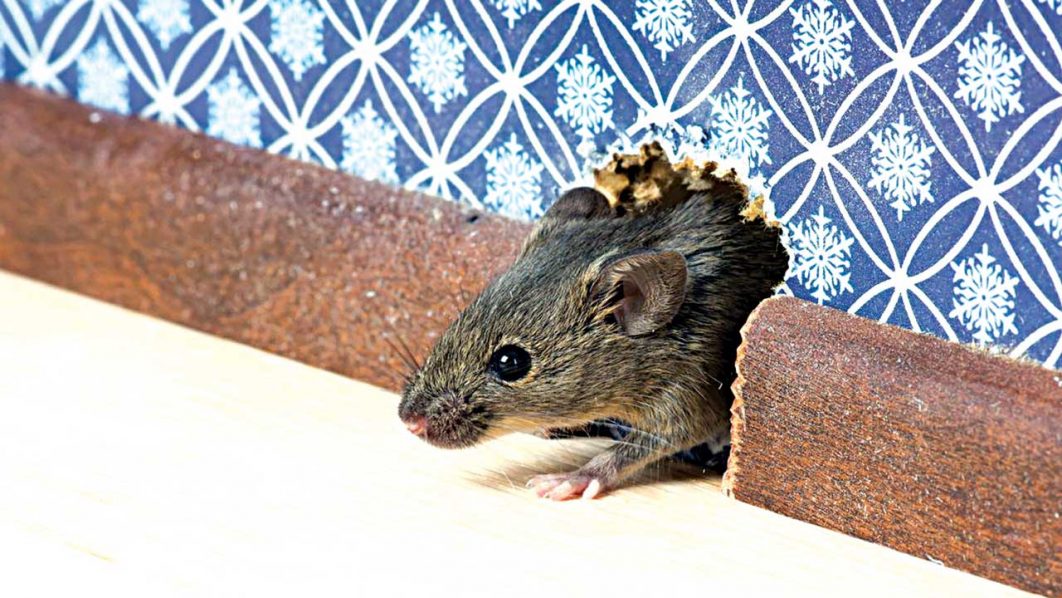
Understanding rat behavior is essential for successful "eliminating rats from home." Rats are nocturnal, cautious creatures that stick to established travel routes along walls, pipes, and beams—they rarely cross open spaces . A single mouse can have up to 60 babies in one year, with offspring breeding at just six weeks old, meaning one problem can become thousands in twelve months . Rats can squeeze through holes the size of a quarter (about 2–5 cm) and will chew openings larger if necessary . They're attracted to homes offering three essentials: food, water, and shelter . Effective "rat elimination and prevention" combines multiple approaches: exclusion to seal entry points, sanitation to remove attractants, and trapping or baiting to eliminate existing populations .
Advantages of Professional Pest Control for Rats
For homeowners seeking the "best pest control for rats," professional services offer significant advantages over DIY attempts. Licensed specialists have the training to identify all entry points—many of which homeowners miss—and understand rat behavior patterns that determine where to place traps for maximum effectiveness . Companies with decades of experience, like Johnson Group (over 70 years) or Long Pest Control (since 1979), use systematic approaches that combine inspection, targeted treatment, and prevention planning . Professionals also have access to industrial-grade products and tamper-resistant bait stations that keep children and pets safe . Perhaps most importantly, they address the root cause rather than just killing visible rats, which is essential for "rat elimination in house" that lasts.
Potential Considerations: DIY Methods vs. Professional Help
When researching "pest control rats in attic," it's important to understand what DIY methods can and cannot achieve. Snap traps placed correctly along walls with appropriate bait (peanut butter, bacon, or dried fish work well) can be effective for minor infestations . Sealing entry points with quarter-inch steel mesh and durable filler prevents new rats from entering . However, several factors suggest it's time to call professionals: if you see rats during daytime (a sign of major infestation), hear scratching in multiple locations, find droppings throughout the house, or if DIY efforts don't show results within two weeks . Professional "pest control for rats near me" typically ranges from $300–$1,500 depending on infestation severity and home size—a worthwhile investment considering that rodent-related property damage and the 20,000–25,000 house fires caused annually by chewed wiring can cost far more .
Recovery and Daily Experience: Maintaining a Rat-Free Home
After successful "rat elimination and prevention," the daily experience shifts from urgent action to consistent maintenance. Regular inspections—checking for new droppings, listening for sounds, and looking for gnaw marks—help catch problems early before they escalate . Maintaining sanitation is crucial: store food in airtight containers, clean crumbs promptly, secure garbage in bins with tight lids, and avoid leaving pet food out overnight . Outside, keep vegetation trimmed, woodpiles raised and stacked away from the house, and compost bins secured with wire mesh underneath to prevent burrowing . These habits create an environment that actively discourages rats from considering your home their home.
Implementation Steps: Your Path to a Rat-Free Home
Making a confident plan for rat elimination involves a systematic approach. Begin with thorough inspection: use a flashlight to check along baseboards, in attic corners, behind appliances, and around pipes for droppings, rub marks, and gnaw damage . Next, seal entry points with durable materials like steel wool, copper mesh, or hardware cloth—never rely on foam or plastic alone, as rats will chew through them . Remove food and water sources: deep clean areas where crumbs accumulate, fix leaky faucets, and store pantry items in hard plastic or glass containers . Choose your control method: for minor issues, place snap traps perpendicular to walls along identified travel routes; for larger infestations, consider tamper-resistant bait stations or professional help . Monitor results by checking traps daily and reapplying bait as needed . If DIY efforts don't show significant improvement within two weeks, consult professional pest control services for assessment and comprehensive treatment .
Final Thoughts: Taking Control of Your Home Environment
Navigating a rat infestation—from understanding "eliminating rats from home" to deciding whether professional "pest control for rats near me" is worth the investment—is ultimately about protecting your living space and peace of mind. By understanding rat behavior, using proven elimination methods, and maintaining consistent prevention habits, you can reclaim your home from these persistent pests. One rat seen may mean dozens hidden, but with the right knowledge and tools, you can ensure they don't become permanent residents. Start today with a thorough inspection and one small step—sealing a single gap or placing a trap correctly—and build from there toward a rat-free home.