Your Complete Guide to Scissor Lift Solutions: Safety, Cost, and Smart Selection Across Industries
Selecting the right lifting equipment is a critical decision that impacts workplace safety, operational efficiency, and your bottom line. Scissor lifts offer reliable, stable platforms for a wide range of tasks, but navigating the options—from height and power configurations to cost considerations—can feel overwhelming. This guide provides a practical roadmap for choosing, using, and maintaining scissor lifts, helping you make informed decisions that align with your specific industry needs and budget.
What Leads Businesses to Seek Scissor Lift Solutions
Companies across construction, manufacturing, warehousing, and facility maintenance begin searching for lifting solutions when projects demand safe, efficient work at height. The need might arise from a specific task—installing ceiling systems, conducting maintenance, or managing inventory in high-bay warehouses—or from a broader initiative to improve workplace safety and productivity. Understanding the range of available scissor lift options is the first step toward selecting equipment that fits your environment, whether you're working indoors or outdoors, in tight spaces or across expansive worksites.
The Mechanism Behind Safe and Efficient Scissor Lift Operation
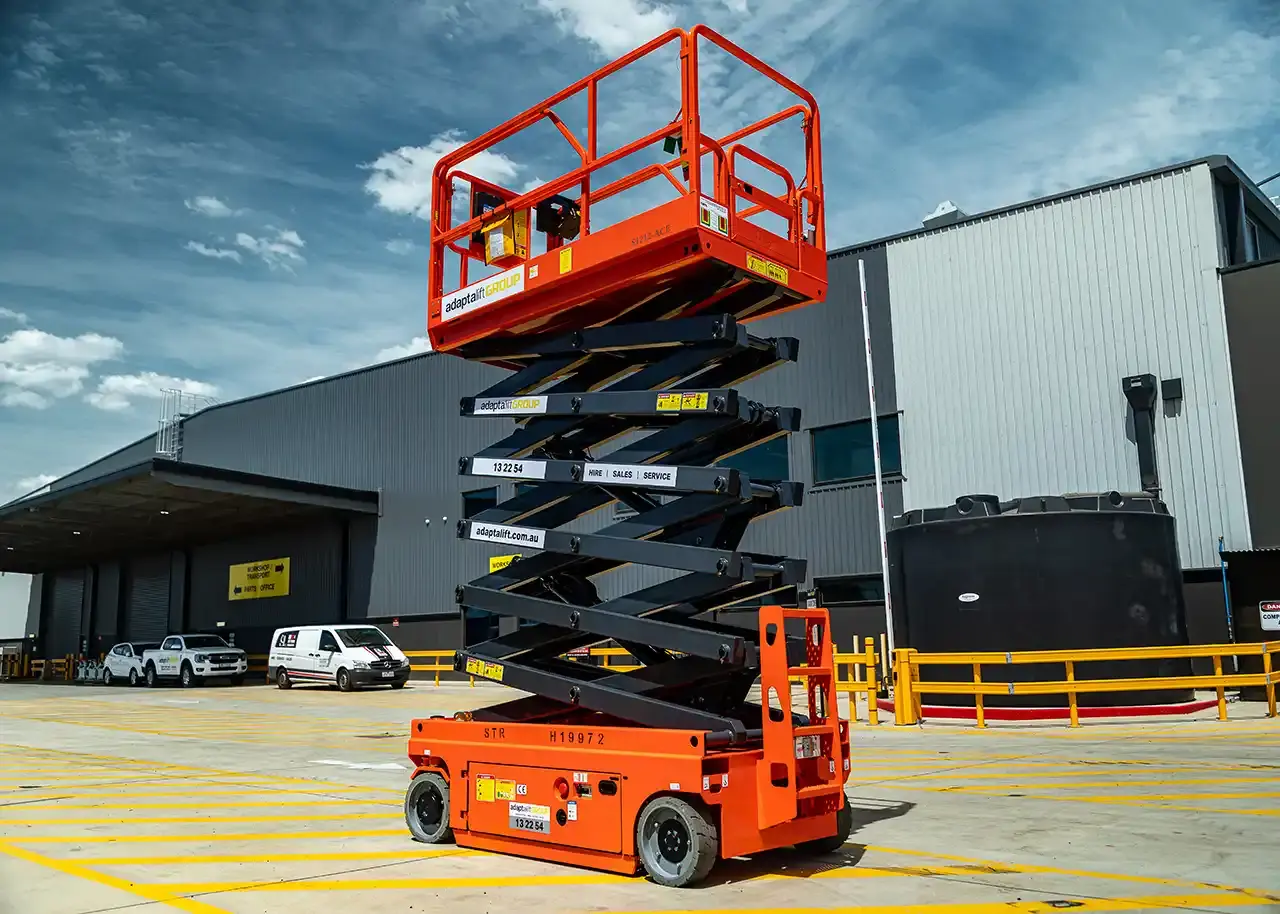
Scissor lifts provide stable elevated platforms through a mechanism of linked, folding supports that raise and lower the work surface vertically. Modern models incorporate embedded safety features as standard: robust guardrails prevent falls, non-slip decks ensure secure footing, and intuitive controls allow precise positioning. Emergency lowering mechanisms provide peace of mind during power failures. Beyond the equipment itself, safe operation depends on proper training and clear procedures that help teams stay compliant with occupational safety standards while maintaining productivity. Understanding these operational fundamentals helps you evaluate which models best suit your team's capabilities and job requirements.
Advantages of Choosing the Right Lift for Your Industry
Selecting a scissor lift aligned with your specific application offers numerous operational advantages. For construction sites, rugged models with outdoor capabilities and higher load capacities handle demanding materials and terrain. In manufacturing and warehousing, electric models provide emissions-free operation ideal for indoor use, with maneuverability designed for aisles and production areas. Facility maintenance teams benefit from compact models that navigate doorways and elevators while still providing necessary reach. The right configuration—whether choosing platform height, load capacity, travel speed, or power source—enables precise alignment with project requirements, deadlines, and existing workflows, ultimately improving productivity and reducing workplace strain.
Potential Considerations: Understanding Scissor Lift Pricing and Selection Factors
When evaluating scissor lift options, understanding what drives price helps you budget confidently and avoid unexpected costs. Key factors include platform height (higher reach typically increases cost), load capacity (heavier ratings require more robust construction), travel speed and maneuverability features, and power source selection—battery-powered electric models offer different cost considerations than diesel or hybrid configurations. Your choice between purchasing and renting also significantly impacts overall expenditure. Beyond initial acquisition, factor in maintenance expectations, parts availability, and manufacturer support. Workspace constraints—floor condition, access points, and overhead clearance—further influence which models are practical for your environment.
Recovery and Daily Experience: Maintaining Reliable Performance
The daily experience of owning or operating scissor lifts depends heavily on your maintenance approach. Routine inspections before each use catch potential issues early. Preventive maintenance following manufacturer-recommended service intervals—including checking hydraulic systems, batteries or engines, and structural components—helps ensure consistent performance and minimizes unexpected downtime. Monitoring component wear, from tires to lift chains, extends equipment life and maintains safety. Access to manufacturer support and replacement parts when needed keeps your equipment ready. Operators who understand basic maintenance checks contribute to both safety and reliability, creating a culture of care around your lifting equipment.
Implementation Steps: Your Path to the Right Lifting Solution
Making a confident equipment choice involves a systematic approach. Begin by clearly defining your task requirements: what height, reach, and load capacity do you need? Next, assess your workspace constraints—floor conditions, access points, and clearance limitations will determine which models can operate effectively in your environment. Choose your power and drive configuration based on indoor/outdoor use and travel distance requirements. Review safety features and training needs, planning for operator certification if required by regulations or company policy. Obtain transparent pricing guidance covering both purchase and rental scenarios, then finalize procurement or rental terms. Finally, schedule installation, proper testing, and comprehensive operator onboarding to ensure your team can work safely and productively from day one.
Final Thoughts: Getting Started with Confidence
Investing in the right scissor lift solution—whether for a single project or ongoing operations—is a decision that affects safety, efficiency, and financial outcomes for years to come. By understanding your specific needs, researching available configurations, and approaching selection systematically, you can choose equipment that truly serves your industry and applications. Start by assessing your workspace and task requirements, then leverage practical guidance to compare models transparently. With the right preparation and partner, you'll secure lifting equipment that keeps your team safe, your projects on schedule, and your budget on track.