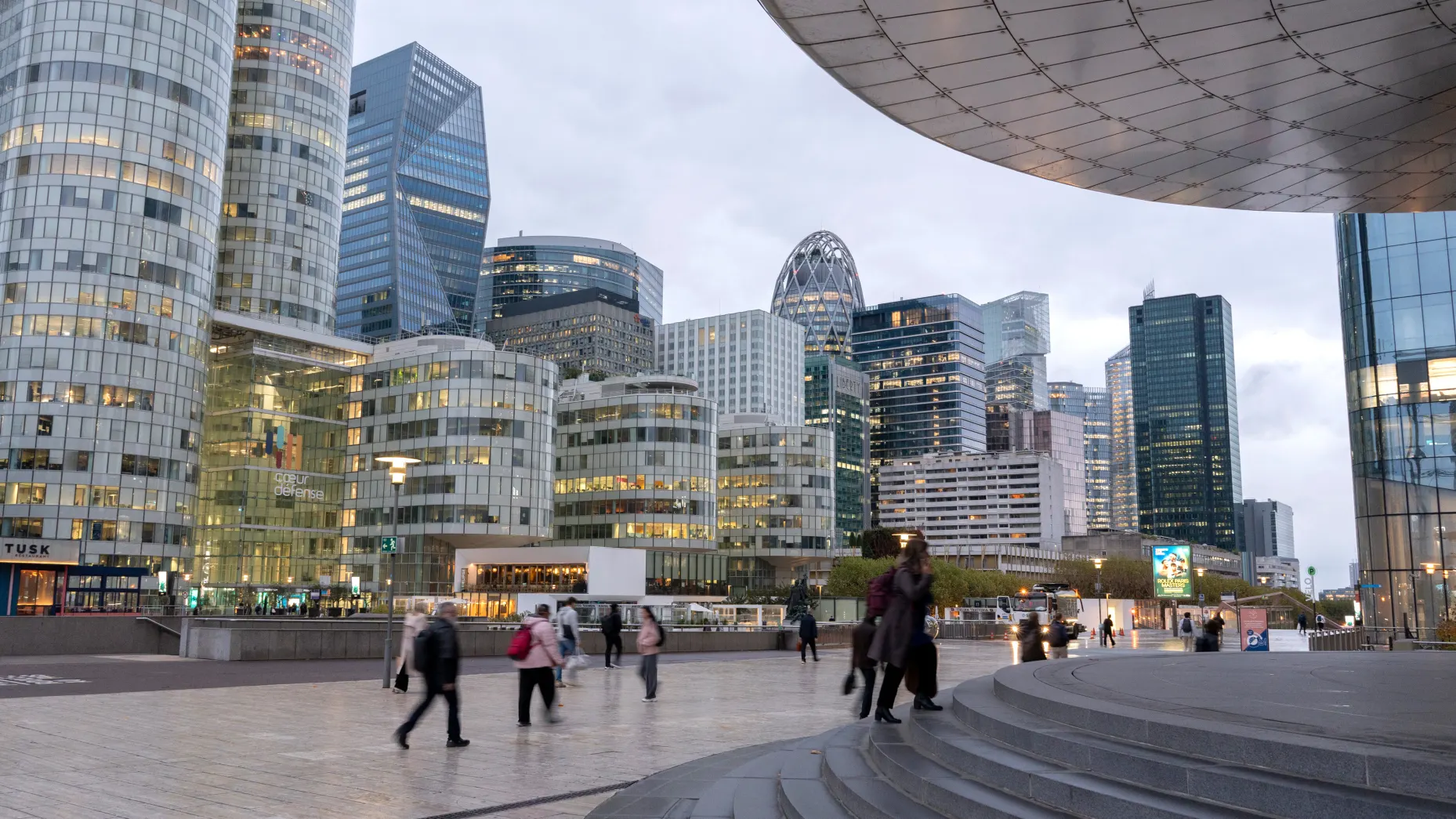
Modular Homebuilder Fading West Aims to Tackle the Affordable Housing Crisis
With the American Dream of homeownership increasingly out of reach due to soaring prices, high mortgage rates, and a chronic housing shortage, Colorado-based Fading West is positioning its modular construction model as a scalable solution. The company, founded in 2016, assembles homes in a 110,000-square-foot factory, claiming its methods reduce costs by up to 20% and cut construction time in half compared to traditional on-site building.
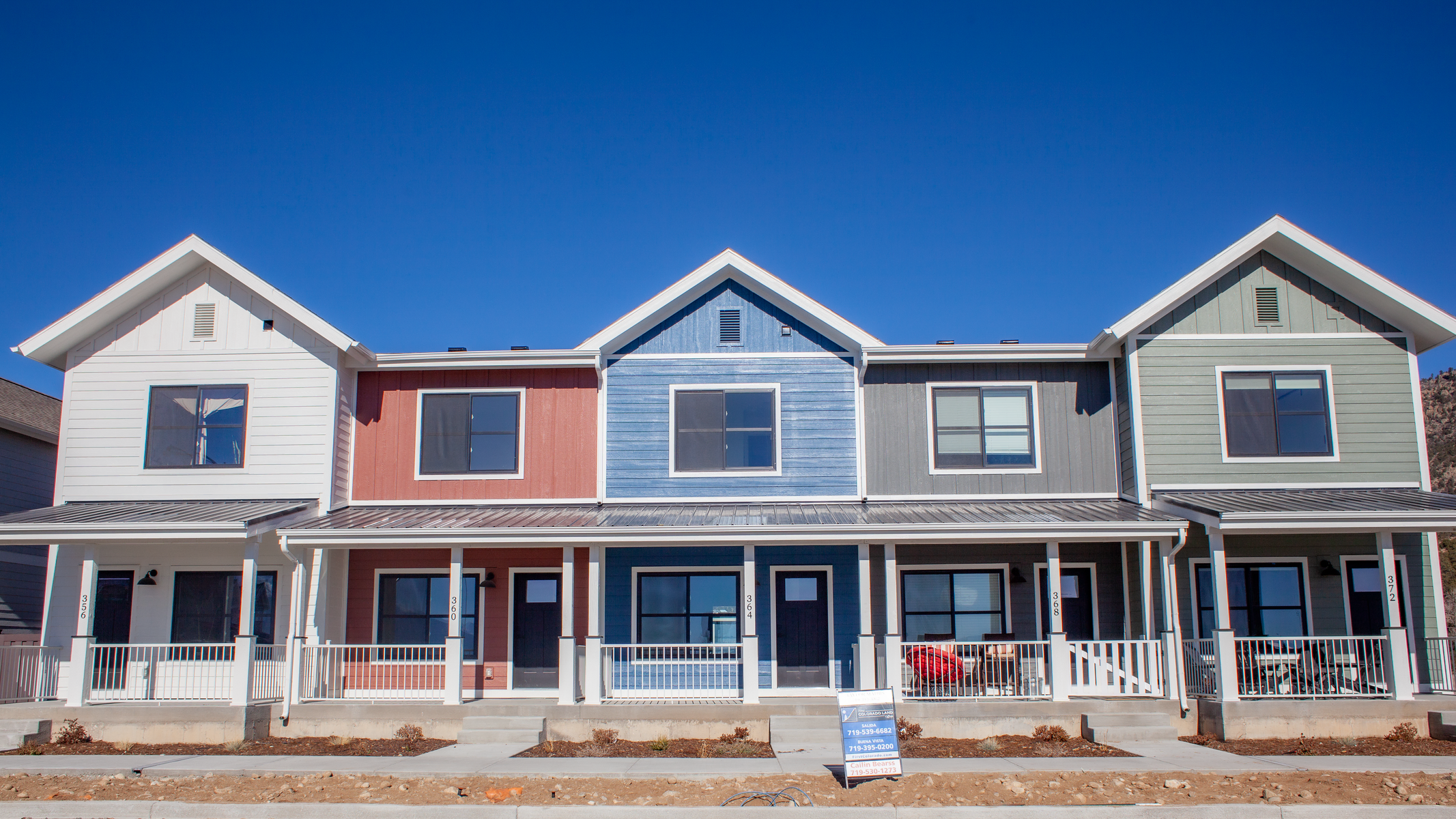
"We are manufacturers, not construction workers," said Eric Schaefer, the company's chief business development officer. He emphasizes that the innovation lies not in the concept of modular housing—which dates back a century—but in their "value engineering, speed, high-quality and architecturally interesting designs."
Fading West gained notable attention for its rapid response to the 2023 Lahaina wildfire disaster in Maui. In partnership with FEMA and architecture firm DXA Studio, the company produced 82 brightly colored modular homes in just two months, delivering them from its Colorado factory to Hawaii in less than five months total. The project, with units costing between $165,000 and $227,000, marked the first time FEMA provided modular homes instead of trailers as temporary housing.
The company's journey began with a focus on creating attainable housing for workers in Colorado's expensive mountain resort towns. Facing a shortage of contractors and harsh winters, founder Charlie Chupp pivoted to building its own factory in 2021. The facility now employs 110 factory workers and features 18 stations where homes are moved every four hours on air casters, with each unit typically completed in about seven days.
Despite the potential benefits—including reduced waste, controlled labor costs, and weather-independent production—modular construction remains a niche in the U.S. housing market. It constitutes only 1-3% of single-family home starts, a figure that has remained stagnant for a decade. However, advocates argue the model directly addresses critical industry pain points: labor shortages, inefficiency, and sustainability.
"Maybe modular is how affordable housing is reached," said Michael Neal, a housing researcher at the Urban Institute, noting that traditional site-built construction has seen little productivity gain.
Fading West is now expanding its affordable housing mission into several western states, targeting essential workers like teachers and firefighters. Simultaneously, it is applying its disaster-relief experience to a new project in wildfire-affected communities in Los Angeles County, offering designs that range from affordable two-bedroom units to multi-million-dollar homes.
The company views its approach as fundamentally flexible. "Think of these as Lego blocks," Schaefer said, underscoring the model's potential to build homes tailored to diverse budgets and needs. As the affordable housing crisis deepens, Fading West's factory-built model represents a test case for whether modular construction can scale to become a mainstream part of the solution.
Recent
News




Newsletter
Subscribe to our mailing list to get the new updates!

Subscribe our newsletter to stay updated
.jpg)