
Moody's Economist Forecasts Aggressive Fed Rate Cuts in Early 2026
Mark Zandi, chief economist at Moody's Analytics, is predicting the Federal Reserve will embark on a more aggressive rate-cutting path in early 2026 than currently anticipated by markets or policymakers. Zandi forecasts three consecutive quarter-point rate reductions before midyear, driven by a weakening labor market, persistent inflation uncertainty, and growing political pressure.
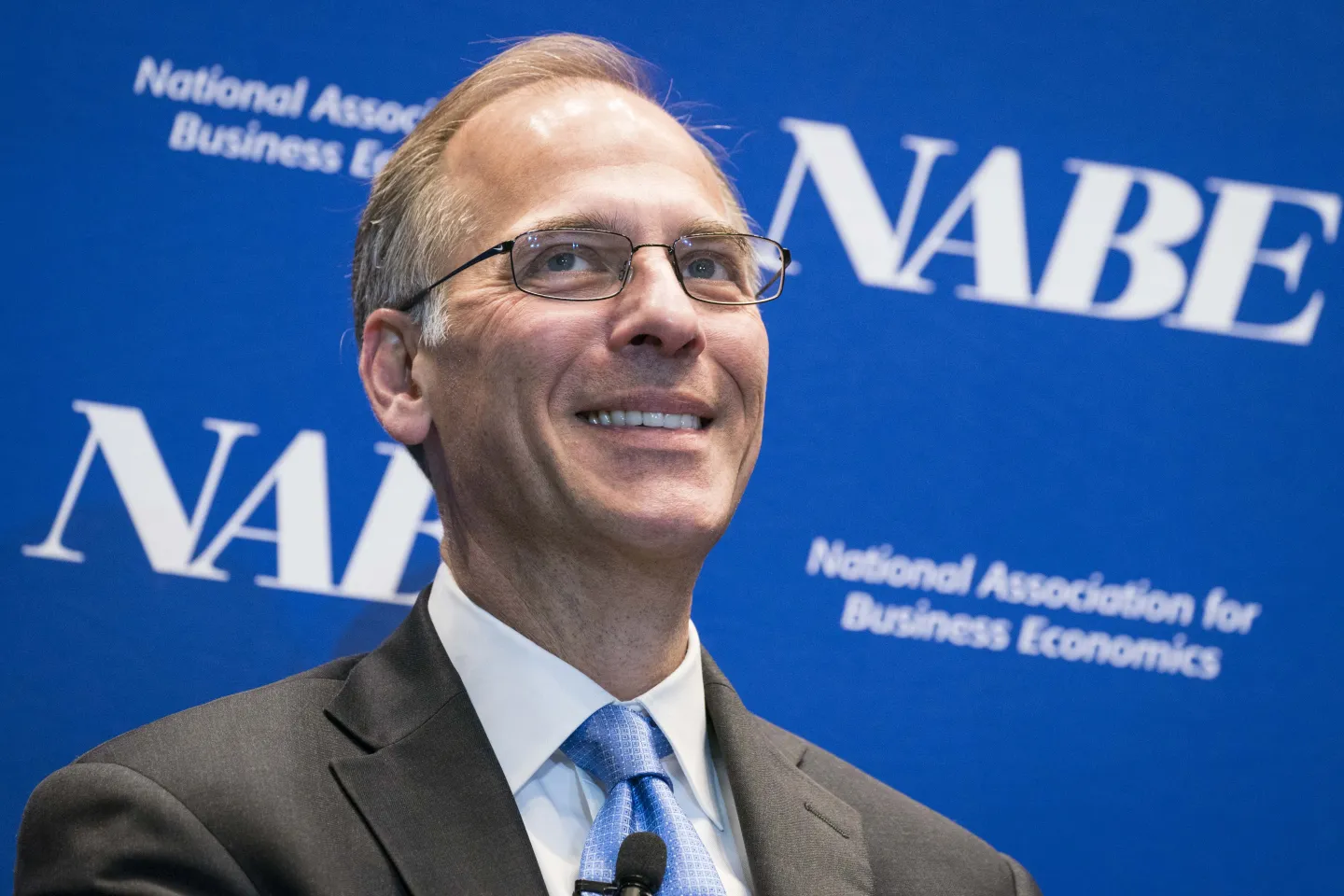
In his annual outlook, Zandi argues that a "still flagging job market" will be the primary catalyst. He believes businesses will remain cautious in hiring due to shifting trade and immigration policies, leading to insufficient job growth and a rising unemployment rate. "As long as unemployment is on the rise, the Fed will cut rates," Zandi stated.
This outlook contrasts with prevailing expectations. Market pricing, as tracked by CME FedWatch, suggests only two cuts in 2026, with the first likely not occurring until April. Federal Reserve officials themselves signaled a more measured approach in their December projections, indicating just one reduction for the entire year.
Zandi identifies political pressure as a significant wild card that could accelerate the Fed's easing cycle. He notes that President Donald Trump, a vocal advocate for lower rates, will have increasing influence over the central bank's composition. With the potential to appoint a new Fed chair in May and fill other vacancies, "Federal Reserve independence will steadily erode," Zandi wrote. He expects this political pressure to intensify ahead of the midterm congressional elections.
The Federal Open Market Committee's next meeting is scheduled for January 27-28, though markets assign only a 13.8% probability of a rate cut at that time. Zandi's forecast sets up a potential divergence between a cautiously optimistic Fed and an economic reality that may compel faster action.
Recent
News




Newsletter
Subscribe to our mailing list to get the new updates!

Subscribe our newsletter to stay updated
Most
Reviews
Business

Wealth

Finance

Analysis
Markets