
Gold and silver keep hitting record highs. But is the precious metals market ‘broken’?
Gold prices surged to another historic high on Thursday, blasting past the $5,500 per ounce mark and leading a broad-based rally across the precious metals complex. Spot gold gained more than 3% to trade at $5,501.18 an ounce, while silver, platinum, and palladium also posted significant advances.
The rally has been particularly explosive for silver, which crossed $117 an ounce for the first time and is up nearly 65% year-to-date, following a gain of over 145% in 2025. Analysts attribute the movement to a confluence of factors: investors seeking havens from geopolitical tensions and swelling government debt, expectations of eventual interest rate cuts, persistent central bank buying, and a sharply weakening U.S. dollar.
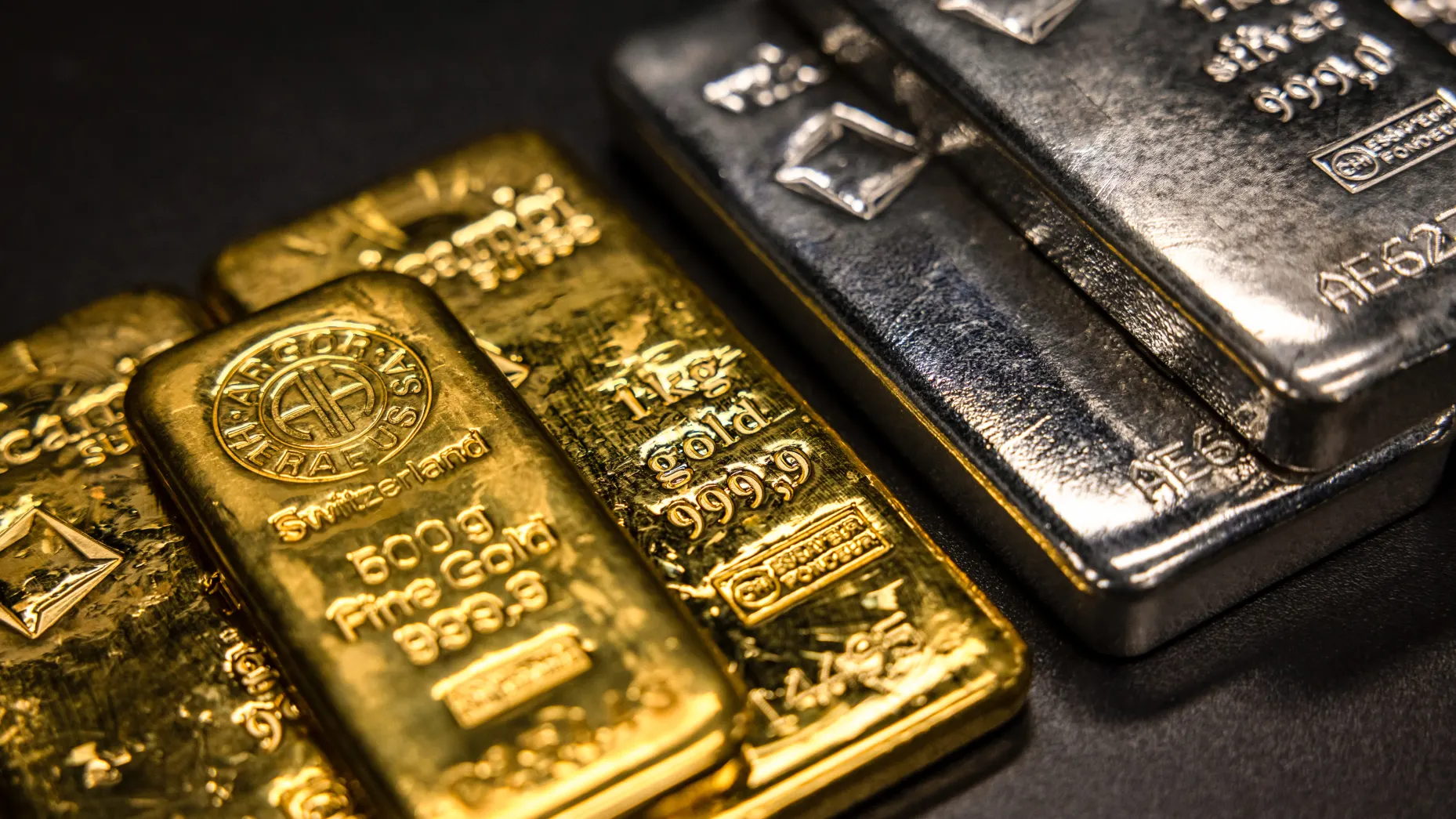
However, market experts are increasingly characterizing the price action as detached from traditional fundamentals, driven instead by volatile liquidity flows and speculative capital. "I would label the precious markets as broken given unheard-of volatility," said Nicky Shiels of MKS PAMP, noting that prices are being driven less by physical supply and demand than by extreme swings in financial positioning.
Maximilian Tomei, CEO of Galena Asset Management, echoed this view, stating the movement is largely a function of a "weakening denominator"—the U.S. dollar—rather than fundamental metal demand. He and other analysts pointed to excess global liquidity, searching for a home as equity valuations stretch, as a key driver pushing capital into metals.
The scale of the moves has raised concerns about market distortion, especially in smaller markets like silver and platinum where modest inflows can have an outsized impact. Some warn this could set the stage for a sharp reversal if speculative capital exits. Yet, the underlying narrative of debt concerns, dollar weakness, and strategic hedging continues to attract buyers, suggesting the record-breaking rally may have further to run despite signs of being technically overbought.
Recent
News




Newsletter
Subscribe to our mailing list to get the new updates!

Subscribe our newsletter to stay updated
Most
Reviews
Analysis

Markets

Finance

- Fri, 16 Jan 2026
Death of a dream: Saks’ crisis exposes luxury department store woes
Markets

- Sun, 18 Jan 2026
Why the iShares Semiconductor ETF (SOXX) Jumped 40% in 2025
Markets