
Auto executives are hoping for the best and planning for the worst in 2026
The U.S. automotive industry is entering 2026 bracing for continued uncertainty and challenging market conditions, with an ongoing affordability crisis and volatile trade policy weighing on sales and consumer demand.
Despite a resilient recovery post-pandemic, the sector now faces a combination of elevated vehicle prices, inflationary pressures, and slowing demand. Industry sales reached 16.3 million units in 2025—the highest since 2020 but still below the pre-pandemic norm of over 17 million.
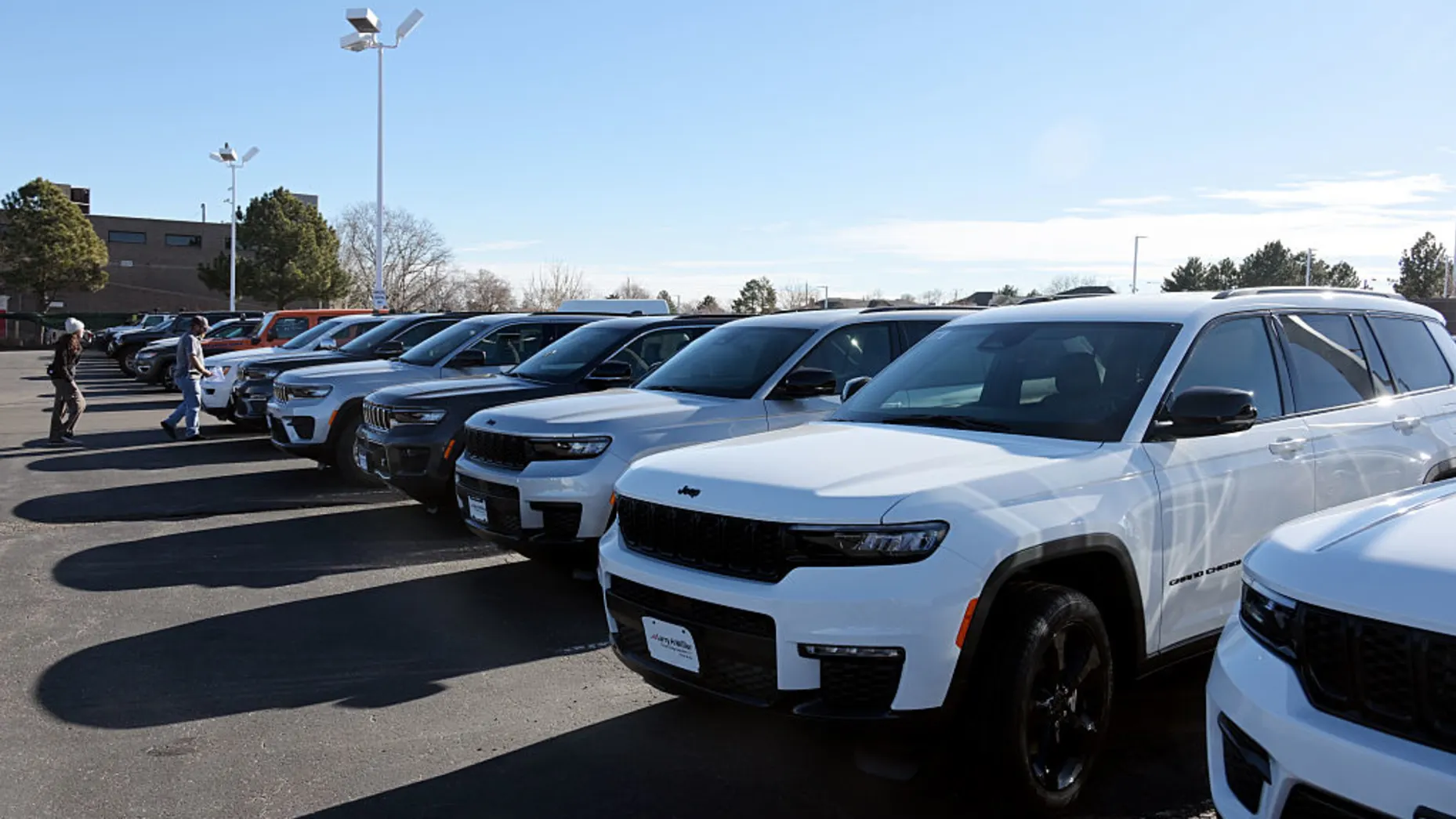
"The cumulative weight of all these increases has pushed total vehicle ownership costs beyond reach for many middle- and lower-income households," said Jeremy Robb, interim chief economist at Cox Automotive.
The average new vehicle transaction price has surged roughly 30% since 2020 to about $50,000, compounded by rising insurance, maintenance, and repair costs. It now takes 36.3 weeks of median household income to purchase an average new vehicle, up from 33.7 weeks in late 2019.
Automakers are responding by shifting focus toward more affordable models and certified pre-owned vehicles. "Every automaker must face the reality that the American market has changed for the foreseeable future," said Lance Woelfer, head of U.S. sales for Honda.
Executives also remain cautious about the volatile regulatory and trade landscape, including the upcoming renegotiation of the United States-Mexico-Canada Agreement (USMCA) and potential tariff shifts.
“We’ve got to plan for the worst and hope for the best,” said Hyundai North America CEO Randy Parker. “That’s the situation that we’re in right now.”
Recent
News




Newsletter
Subscribe to our mailing list to get the new updates!

Subscribe our newsletter to stay updated
Most
Reviews
Business
Economy

Finance
- Sat, 17 Jan 2026
Private credit investors pull $7bn from Wall Street’s biggest funds

Markets
- Sat, 17 Jan 2026