
Canada is drawing Trump’s ire — and faces a 100% tariff
Global financial markets are navigating a week of heightened political and trade uncertainty, with U.S.-Canada relations deteriorating sharply and Japan signaling potential market intervention ahead of snap elections.
The tension escalated over the weekend when U.S. President Donald Trump threatened to impose a 100% tariff on Canadian exports if the country finalizes a trade deal with China. The warning came just days after Trump withdrew an invitation for Canadian Prime Minister Mark Carney to join his "Board of Peace" initiative. "If Canada makes a deal with China, it will immediately be hit with a 100% Tariff," Trump posted on Truth Social.
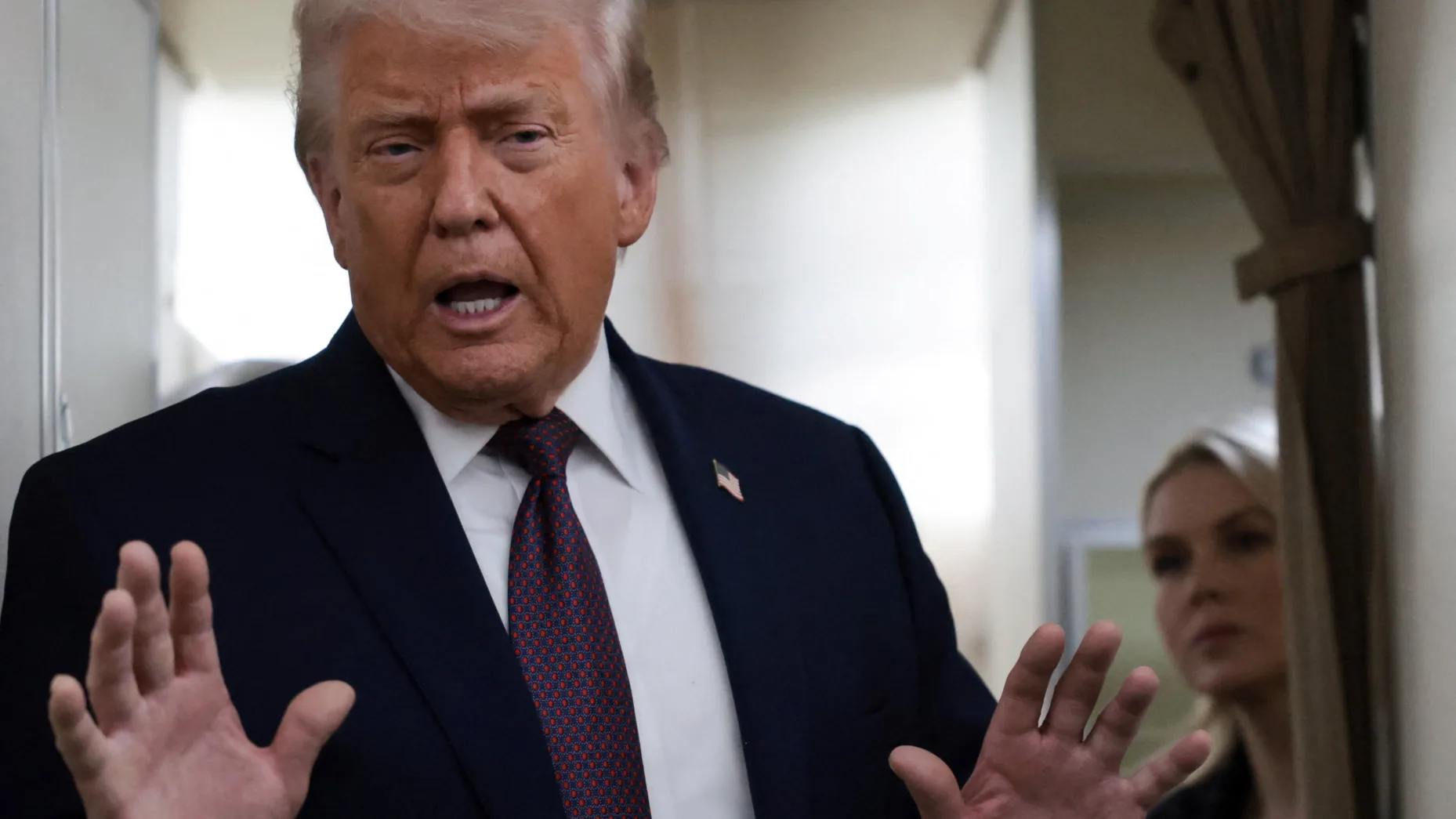
The threat follows Ottawa's recent preliminary agreement with Beijing to lower certain trade barriers, a move Carney insists is consistent with existing North American trade commitments.
Meanwhile, in Asia, Japanese Prime Minister Sanae Takaichi dissolved parliament Friday ahead of February 8 snap elections and vowed Sunday to intervene against "speculative or very abnormal moves" in the yen and government bonds. The potential shift in Japanese capital flows carries significant implications for U.S. Treasury markets, given Japan's status as the largest foreign holder of U.S. debt.
Despite these developments, U.S. markets ended Friday relatively calm, with the S&P 500 flat and the Nasdaq Composite edging up 0.28%. However, futures slipped Sunday night ahead of a packed week featuring earnings from tech giants Apple, Meta, and Microsoft, along with the Federal Reserve's rate decision on Wednesday.
In other trade news, India plans to slash tariffs on EU cars from as high as 110% down to 40%, with a path to 10% over time, according to Reuters. Gold prices continued their historic rally, surpassing $5,000 an ounce on Monday.
Recent
News




Newsletter
Subscribe to our mailing list to get the new updates!

Subscribe our newsletter to stay updated
Most
Reviews
Markets

- Sat, 24 Jan 2026
Market Week Ahead: Fed Meeting, Shutdown Risks, And Heavy Earnings
Business


Business

Business

- Sun, 25 Jan 2026