
Billionaire Ron Baron Reveals Core Strategy: Betting Against the Market's Short-Term Punishment of Growth Spending
Billionaire investor Ron Baron, founder of Baron Capital, outlines a distinct portfolio strategy where a key segment targets companies being penalized by the market for essential long-term investments. In a recent interview, Baron explained that roughly 10% to 15% of his target holdings are firms whose stocks have been sold off due to spending that depresses current earnings but is critical for future expansion—a dynamic he views as a prime buying opportunity for patient investors.
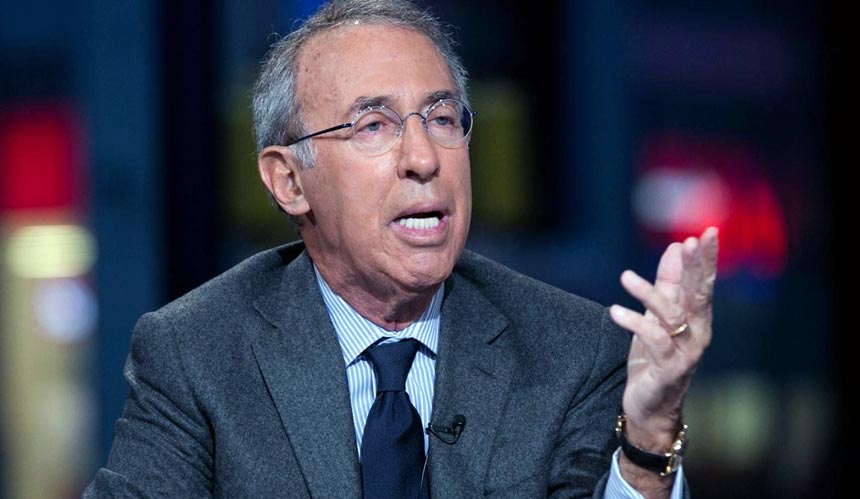
This philosophy was exemplified by the market's reaction to JPMorgan Chase's December warning of higher future spending: shares initially tanked but fully recovered within days. Baron sees such short-term volatility, driven by fears over quarterly earnings, as a catalyst for long-term investors to acquire stakes in companies poised for significant future growth. "Those are the ones... where no one wants to invest, but to us it is obvious what the companies are going to produce," Baron stated.
A Three-Bucket Portfolio Approach to Growth and Opportunity
Baron breaks his investment universe into three core categories. The first bucket (30-40% of holdings) comprises "very exciting, super-fast growing companies" that are inherently risky, such as his notable bets on SpaceX, Tesla, and xAI. The second and largest segment (50-55%) is allocated to "solid double-digit growth companies."
The final strategic bucket is the crucial 10-15% dedicated to out-of-favor firms. Baron and his son, co-president Michael Baron, actively seek these opportunities across sectors like hotels, real estate, financials, and consumer products—areas they believe have been overlooked amid the market's narrow focus on mega-cap technology and AI. Michael Baron noted that as interest rates decline, small- and mid-cap stocks that have been "investing in themselves" and "extremely penalized" should begin to benefit.
Case Studies in Patience and the "Double Whammy" Effect
The Barons point to specific examples where this patient strategy has paid off. They cite cloud technology firm Guidewire Software and pet health company Idexx as entities that endured market punishment for heavy investment phases—what Michael Baron calls a "double whammy" of earnings hits and multiple compression—only to see their stock prices rise later as their long-term bets matured.
Since founding his firm in 1982, Ron Baron has generated $57 billion in profits for fund shareholders and projects $250 billion over the next decade. This confidence stems from a consistent philosophy: capitalizing on the market's short-term myopia to build positions in companies whose strategic spending today is laying the groundwork for becoming "much larger in the future." In a market often dominated by quarterly performance, the Barons' approach underscores a disciplined commitment to long-term fundamental growth.
Recent
News




Newsletter
Subscribe to our mailing list to get the new updates!

Subscribe our newsletter to stay updated
Most
Reviews
Markets

- Mon, 26 Jan 2026
BlackRock Files S-1 With SEC for iShares Bitcoin Premium Income ETF
Finance

Banner

Markets

- Sun, 25 Jan 2026