
Classified Venezuela briefing leaves lawmakers split along party lines after Maduro capture
A classified briefing for congressional leaders on the U.S. military operation that captured Venezuelan President Nicolás Maduro has intensified a partisan divide over presidential war powers. While top Republicans defended President Trump's unilateral action as a justified use of his commander-in-chief authority, Democrats denounced the move as an overreach and are mobilizing to pass a war powers resolution to halt further military engagement.
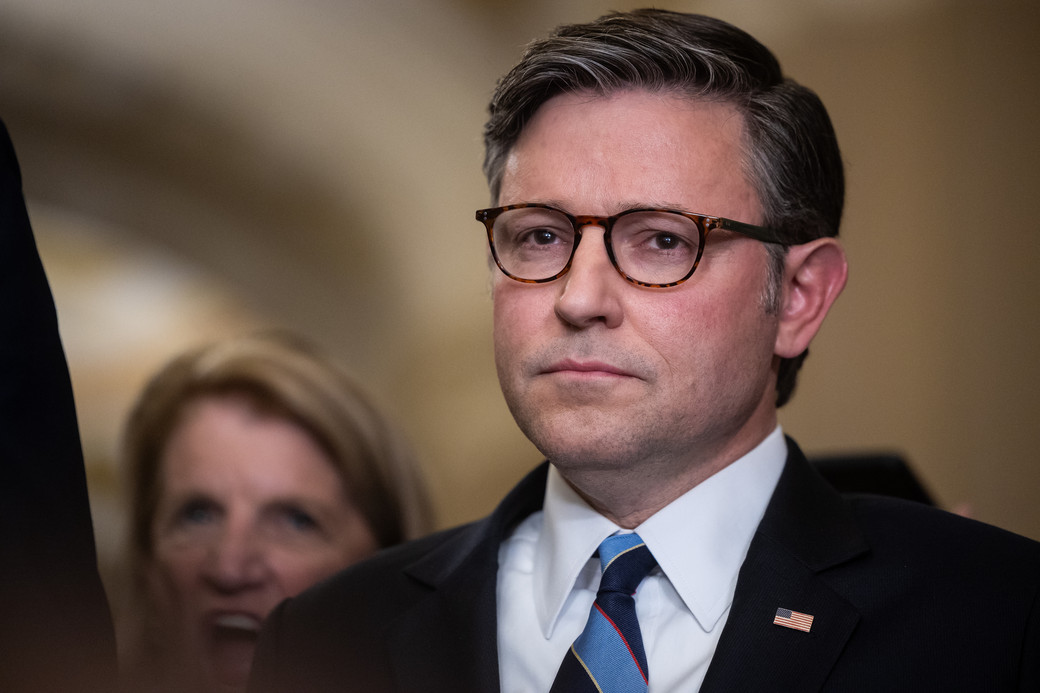
The briefing, delivered to the bipartisan "Gang of Eight" group, highlighted the profound difficulty Congress faces in checking executive military initiatives. House Speaker Mike Johnson (R-La.) argued the operation was "decisive and justified," asserting that "we are not at war" and emphasizing the president's constitutional authority. In stark contrast, Senate Minority Leader Chuck Schumer (D-N.Y.) called the plans for U.S. administration of Venezuela "vague" and "based on wishful thinking," expressing deep concern about potential replication in other nations.
Legislative Showdown and the "Law Enforcement" Framing
Senate Democrats, led by Sen. Tim Kaine (D-Va.), plan to force a vote this week on a resolution requiring Trump to cease military action in Venezuela without congressional approval. The measure faces a steep climb in the Republican-controlled Senate, where a similar resolution failed in November with only two GOP votes. The administration has strategically framed the capture of Maduro—who faces U.S. criminal indictments—as a "law enforcement operation" that necessitated military capabilities, a characterization echoed by Republican leaders like Rep. Brian Mast (R-Fla.), chair of the House Armed Services Committee.
This framing, however, sparked institutional friction. The leaders of the Senate Judiciary Committee, which holds jurisdiction over law enforcement agencies, issued a rare bipartisan rebuke after being excluded from the briefing. Chair Chuck Grassley (R-Iowa) and ranking member Dick Durbin (D-Ill.) condemned the snub as "unacceptable," demanding full information on an operation purportedly conducted at the Department of Justice's request.
A Test of Constitutional Balance and Congressional Resolve
The episode underscores a fundamental tension between expansive executive action and legislative oversight. The administration's aggressive posture, coupled with Trump's subsequent remarks about "running" Venezuela and threatening neighboring countries, has galvanized Democratic efforts to reassert congressional authority over war powers. However, with Republicans largely unified in support of the president's narrative and legal justification, the immediate prospect for a successful legislative check appears limited. The outcome will test both the durability of partisan alliances and the practical limits of presidential power in conducting foreign military operations under the banner of law enforcement.
Recent
News



Newsletter
Subscribe to our mailing list to get the new updates!

Subscribe our newsletter to stay updated
Most
Reviews
Markets

- Sat, 17 Jan 2026
3 Reasons to Buy IBM Stock Right Now
Markets

Analysis

Finance

Business