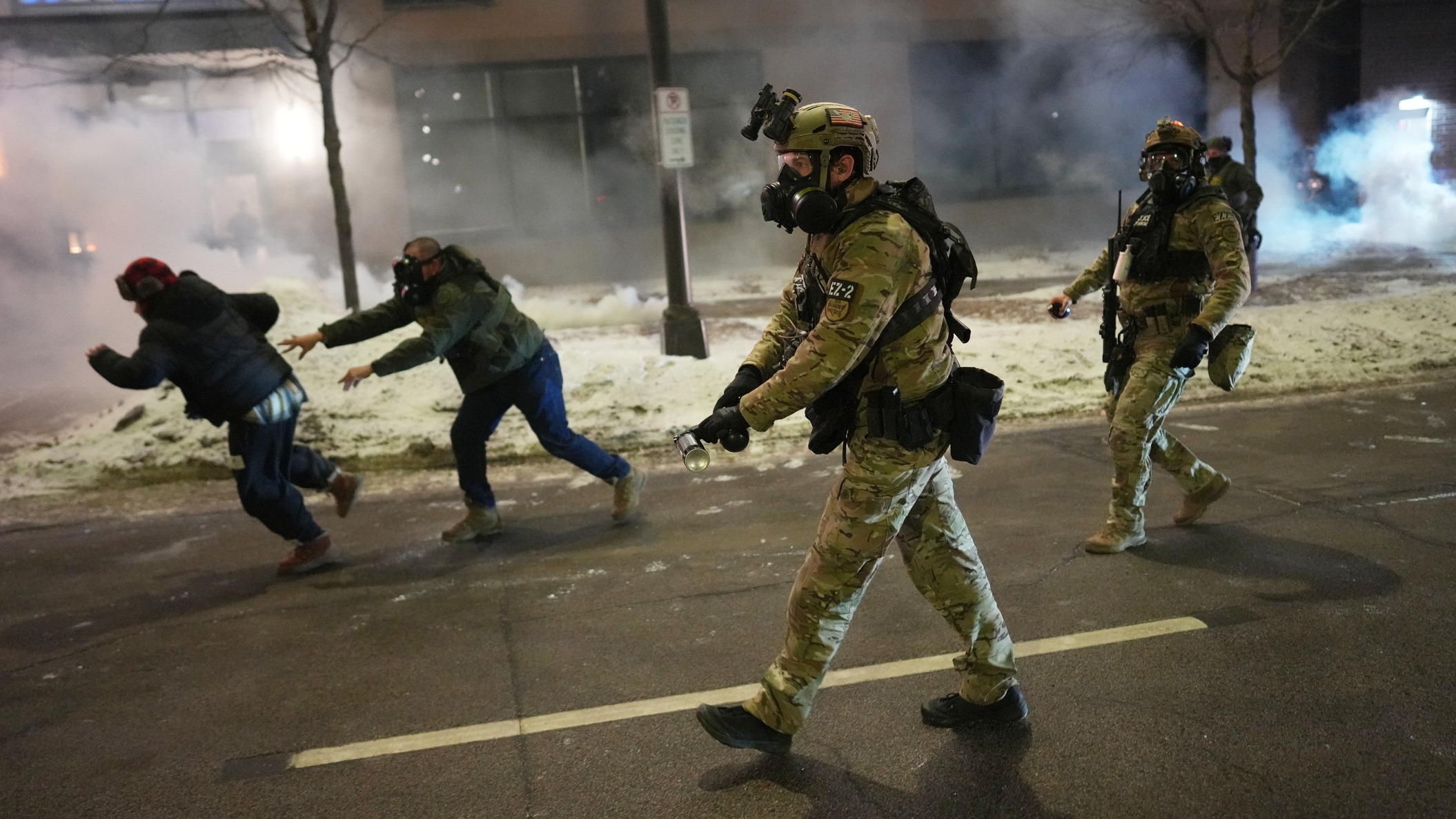
What a Russia-Ukraine peace deal could mean for Europe's gas supplies
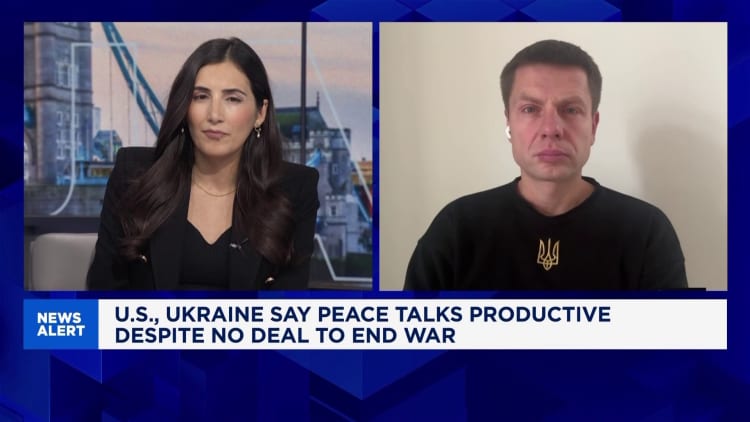
Europe is advancing plans to fully ban Russian gas imports by the end of 2027, a move that would cap Moscow’s energy influence on the continent and likely strand billions in infrastructure—including the never-used Nord Stream 2 pipeline. The decision underscores a strategic pivot away from Russian energy despite ongoing debates over whether damaged pipelines could be revived in a post-conflict scenario.
The Nord Stream 1 and 2 subsea pipelines, intended to double Russian gas flows to Germany, were sabotaged in 2022. While preservation work has been permitted in Danish waters, operational revival remains politically remote. “I think they’re still repairable, salvageable,” said Sergey Vakulenko of the Carnegie Russia Eurasia Center, estimating repair costs around $1 billion. Yet, with the EU now legislating a phased ban—LNG by end-2026, pipeline gas by autumn 2027—the political will to restore flows appears negligible.
A Contentious “What If”
Hypothetical discussions about resuming Russian gas post-peace face fierce opposition. Ukraine would vehemently oppose any economic lifeline to its invader, while Poland has called for the pipelines to be “dismantled.” Though Germany, grappling with high industrial energy costs, might be tempted by cheaper gas, the EU’s collective drive for energy independence—bolstered by U.S. LNG exports and domestic capacity investments—makes a return to pre-war reliance unlikely.
“It doesn’t seem like the most realistic scenario,” said Morningstar’s Tancrede Fulop, noting that Europe’s shift was cemented by Russia’s “weaponisation of gas supplies” even before the 2022 invasion. The continent has reduced Russian imports from 45% of consumption in 2021 to an estimated 13% this year.
Russia’s Stranded Assets and Shifting Markets
For Russia, the EU ban would cement the stranding of critical infrastructure like Nord Stream 2, which cost $11 billion to build. Moscow has pivoted toward Asian markets, deepening ties with China via the Power of Siberia pipeline. Yet, as Vakulenko noted, Russia “is not in a very strong negotiating position” regarding Europe, and its gas would remain a “stranded resource” without a political thaw.
Even if a Ukraine peace deal emerges, Europe’s renewed focus on energy security and diversification—coupled with falling global gas prices and expanding U.S. export capacity—suggests the era of deep Russo-European energy interdependence is over. The coming years will test whether Europe can maintain unity and affordability as it permanently turns off the tap.
Recent
News


Newsletter
Subscribe to our mailing list to get the new updates!

Subscribe our newsletter to stay updated
Most
Reviews
Finance

- Fri, 16 Jan 2026
Why Japan’s fiscal paradox matters
Markets
Economy

Business
Finance