
Why India’s fast GDP growth is still falling short?
Pratyush Thakur Sun, January 18, 2026 at 5:30 PM GMT+8 2 min read
In this article: INR=X
INRUSD=X
USD=X
Investing.com -- India’s rapid GDP growth is failing to translate into durable economic strength given a weak rupee, trade headwinds from the US and high unemployment.
India is on track to become Asia’s second-largest economy by GDP, with output around $4.18 trillion.
But the rupee has fallen against the dollar for eight consecutive years and dropped 4.9% in 2025. The currency has started 2026 under pressure.
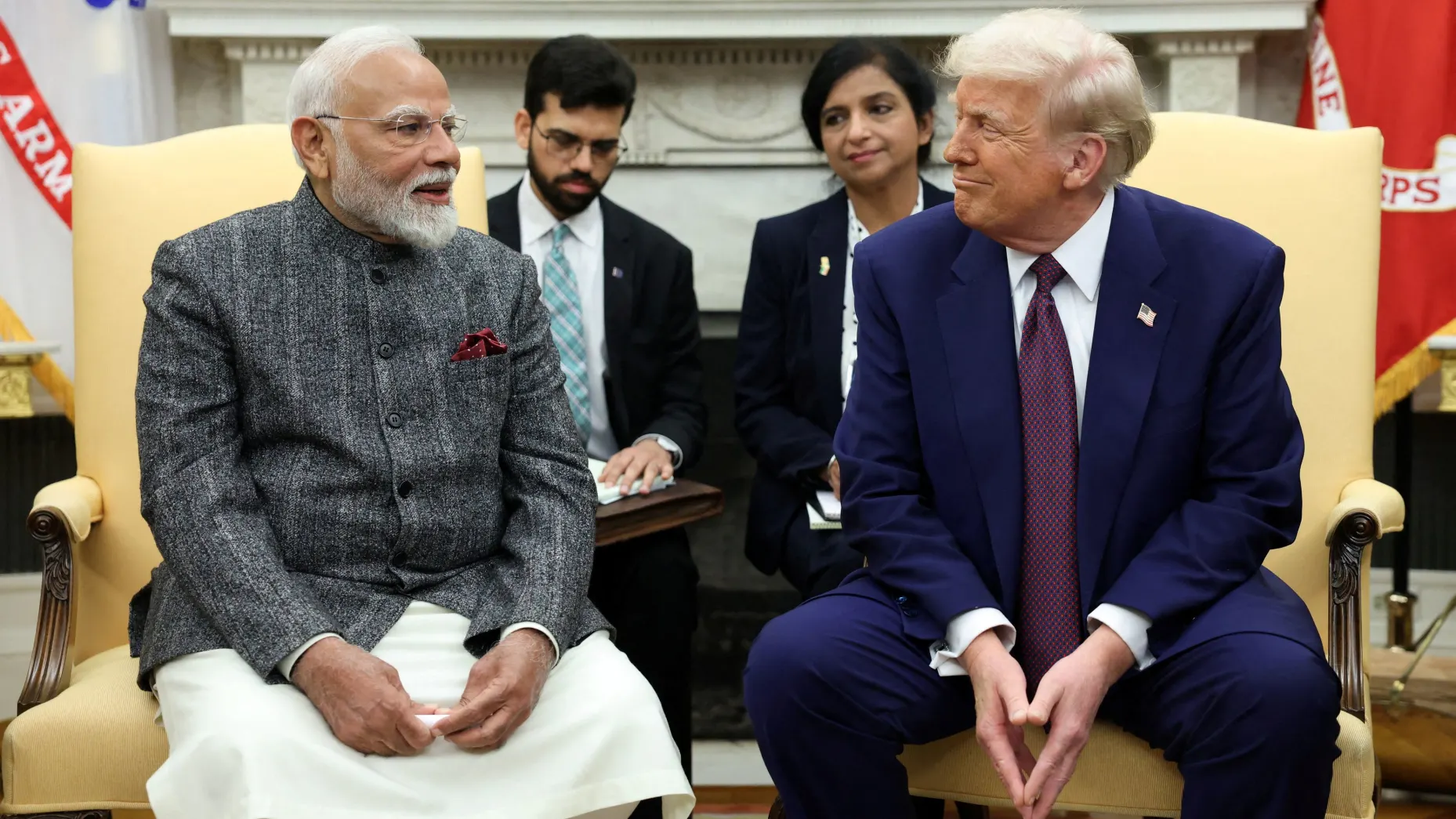
The 50% tariff imposed by President Donald Trump has left India facing the highest levy in Asia even as the US softened its stance toward China. The tariff has weakened India’s role as a manufacturing alternative to China and added strain to corporate planning as U.S.-India relations cooled.

There is also China’s overcapacity with the country recording trade surplus of more than $1 trillion in 2025. That complicates India’s push to become a manufacturing hub.
India’s industrial production rose 8% year on year in November, but momentum has struggled to build since late 2023.
India supply chain has a dependency risk as well. Though it is now the world’s second-largest mobile phone producer, yet about 52% of components are imported from China.
The government expects GDP growth of 7.4% in the current fiscal year, but youth unemployment stands at 17.6%, which is the highest in Asia. Overall unemployment rose to 6.9% in the third quarter of 2025. Morgan Stanley estimates India would need to grow 12.2% a year to meaningfully cut youth joblessness, a pace widely seen as unrealistic.
“India has proven great at growing faster, not growing better,” Economist Ed Yardani said.
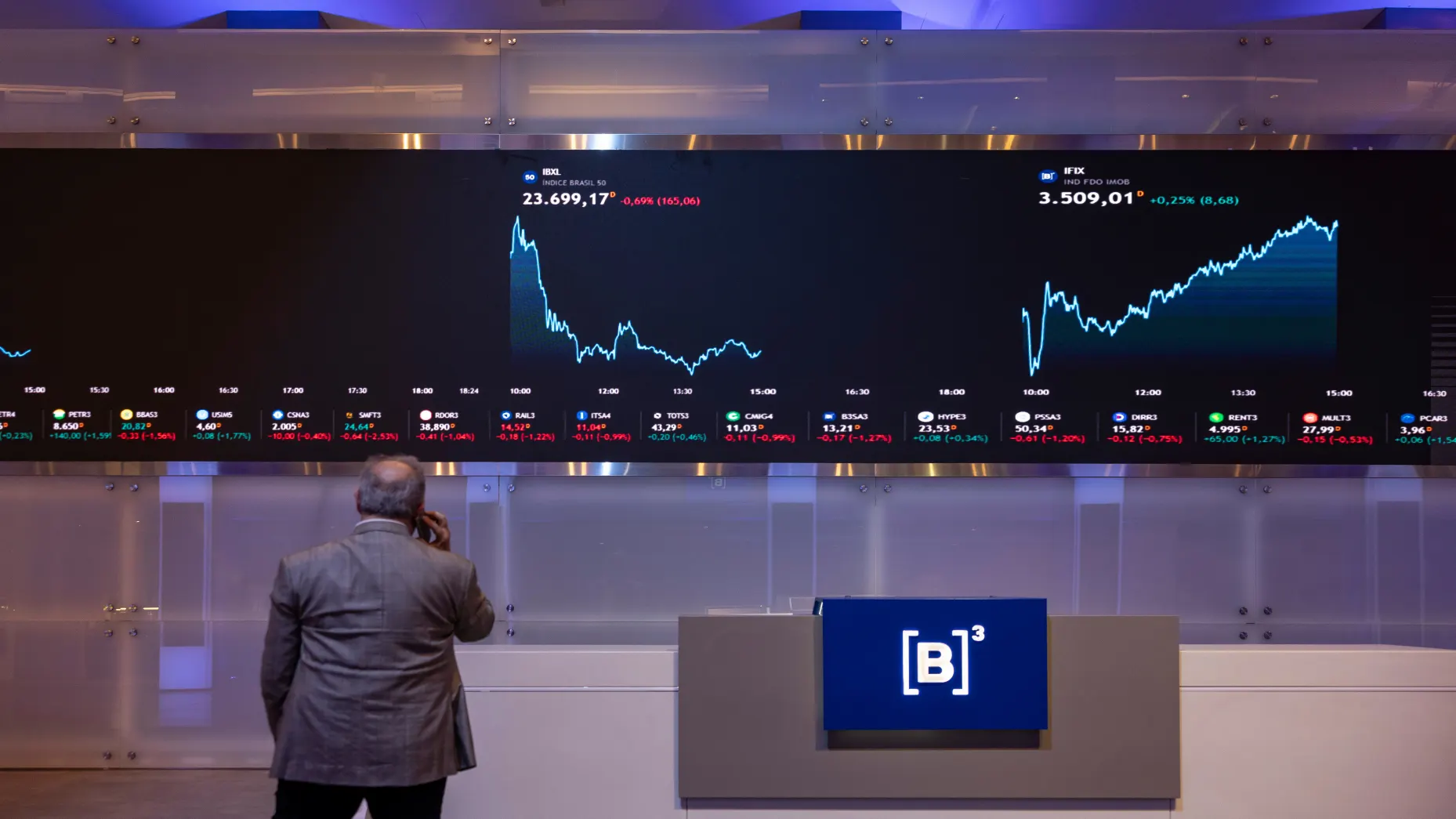
The Sensex and Nifty 50 are both down about 2% so far in 2026.
“In the year ahead, as crushing tariffs undermine Modi’s Make in India project and China dumps more cheap goods, improving the quality of growth will become more difficult”
Why India’s fast GDP growth is still falling short?
JPMorgan outlines ten strategic themes that could shape the outlook for 2026
Morgan Stanley CIO survey: Why AI hype isn’t boosting 2026 IT budgets
Recent
News



Newsletter
Subscribe to our mailing list to get the new updates!

Subscribe our newsletter to stay updated
Most
Reviews
Finance

- Wed, 21 Jan 2026
World Economic Forum weighs moving flagship event from Davos
Markets

Finance

Finance
Finance