A growing wave of older Americans is planning to reenter the workforce in 2026, driven by fears that their savings cannot withstand prolonged retirement and persistent inflation. Recent surveys depict a retirement landscape where returning to work is becoming a financial necessity rather than a choice for many.
According to a ResumeBuilder.com survey, nearly one in eight Americans aged 65 and older plan to unretire next year or have already done so. Over a third of those still working do not expect to retire for at least another decade. These findings are reinforced by a US Bank report showing nearly two-thirds of Americans worry they may have to resume working, with only 58% confident their savings will last through retirement.
Why Older Workers Are Coming Back
The primary driver is financial strain. In the ResumeBuilder survey, 54% of older Americans cited the high cost of living as their reason for working or returning to work, while a similar proportion said they simply enjoy working. Stubborn inflation—particularly in housing and healthcare—alongside concerns over potential Social Security and Medicare changes, have eroded retirement security.
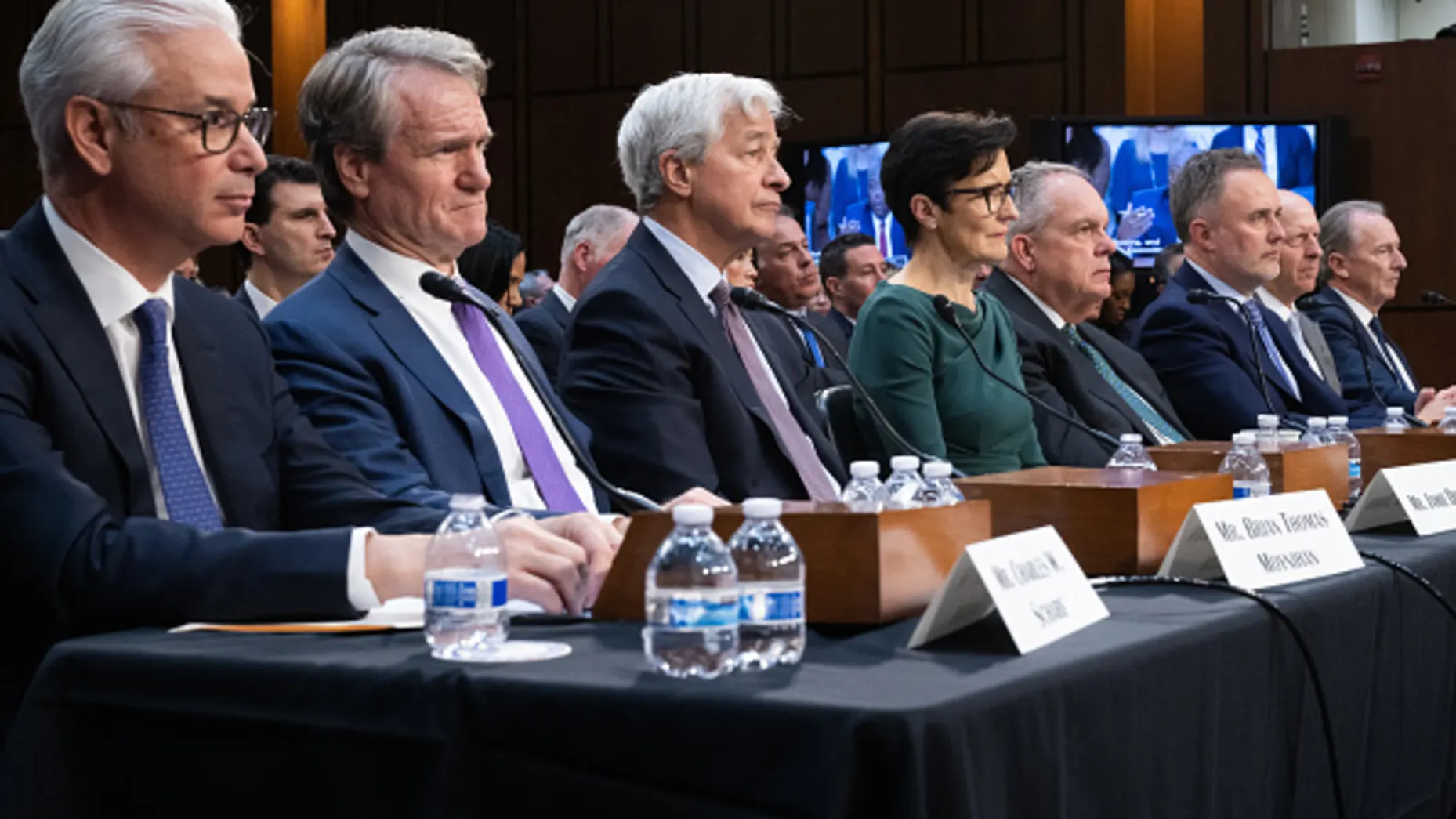
“Because of the rise in costs, people's fixed incomes, their Social Security benefits, aren't enough to cover all their expenses,” said Senator Kirsten Gillibrand (D-NY), highlighting systemic gaps: 47% of workers lack employer-sponsored retirement plans, and 55% report no dedicated retirement savings.
Barriers and Adaptations in a Tough Job Market
Reentering the workforce is not easy. Many face ageism and longer unemployment spells than younger job seekers. Nearly two-thirds of older workers believe finding a new job would be challenging, per AARP Research. In response, some are turning to part-time roles, gig work, or upskilling through online courses to improve their employability.
Despite the difficulties, there is a shifting cultural perspective. “For many seniors, retirement has become more flexible than final,” said Stacie Haller of ResumeBuilder. Experts emphasize that returning to work carries “no shame” and can offer cognitive and mental health benefits—provided the work is flexible and sustainable.
A Call for Structural Support
While some choose to work for fulfillment, many others feel trapped by financial need. Dozens of older workers told Business Insider they wish they could work fewer hours, in more flexible roles, or in less physically demanding jobs. This has spurred legislative efforts, such as the Protecting Older Americans Act, aimed at preventing age discrimination and expanding workforce opportunities for older adults.
The trend underscores a broader retirement crisis where traditional safety nets are increasingly insufficient. As lifespans lengthen and costs rise, unretirement may become a permanent feature of the American economic landscape—a sign that for many, the dream of a stable, secure retirement is slipping out of reach.