New York — In a year defined by consumer pullback and relentless pressure on margins, the U.S. restaurant industry underwent a significant contraction, with leading chains from Starbucks to Wendy's announcing the closure of hundreds of underperforming locations. The wave of shutdowns reflects a brutal environment where inflation-weary diners cut spending, sending industry traffic into negative territory for nearly every month of the year.
Unlike previous downturns that primarily affected casual dining, the 2025 retrenchment cut across all segments—from fast-casual to pizza and breakfast diners. According to Black Box Intelligence, year-over-year guest traffic fell in every month except July, forcing companies into aggressive restructuring, bankruptcy filings, or strategic sales. This industry-wide strategic pivot toward pruning footprints underscores the intense high-stakes race for survival in a saturated and value-driven market.
Notable Closures and Turnaround Strategies
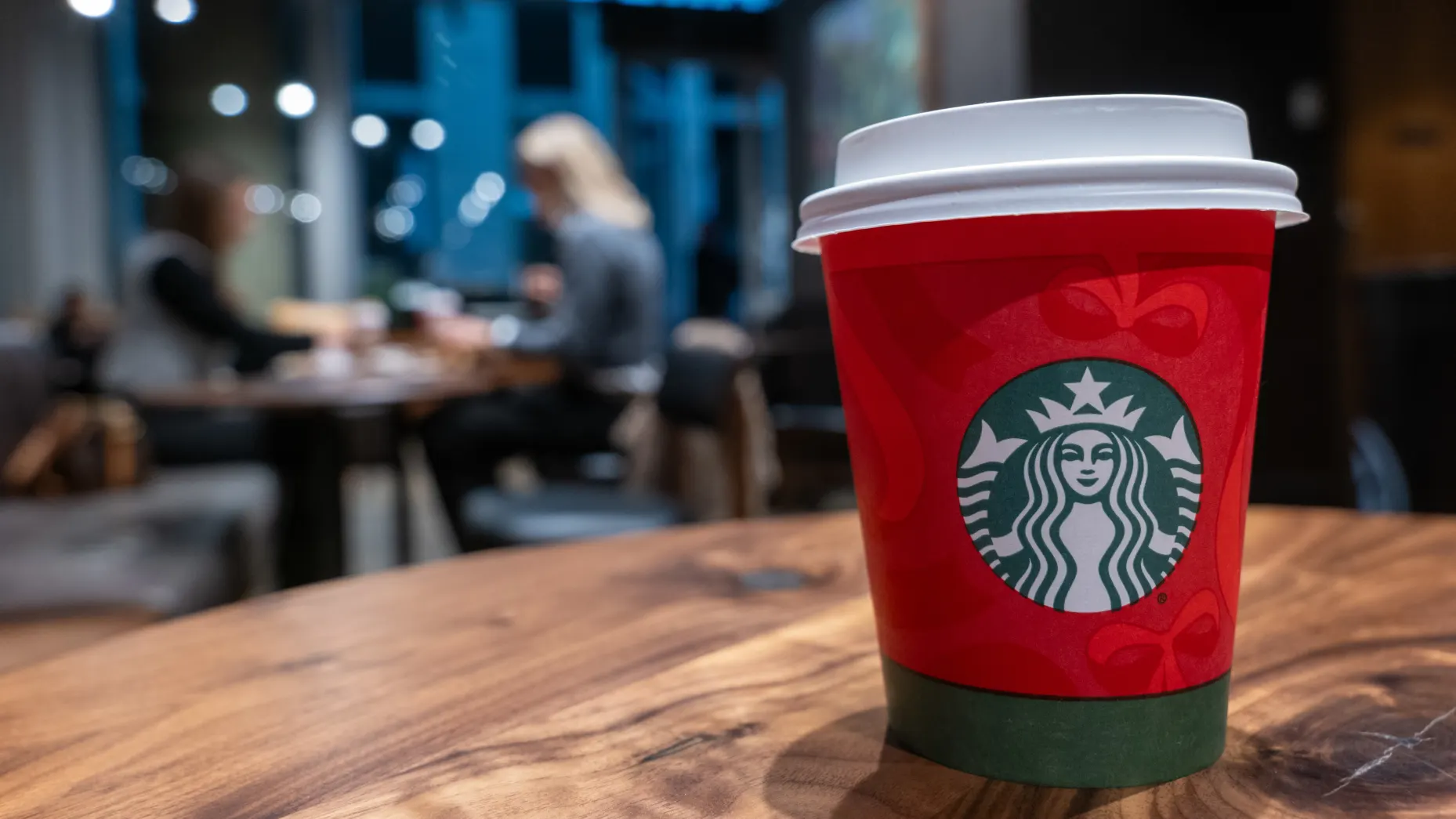
Starbucks: Announced a $1 billion restructuring plan, closing roughly 500 North American locations—including its flagship Seattle Roastery—as new CEO Brian Niccol seeks to reverse a U.S. sales slump.
Starbucks: Announced a $1 billion restructuring plan, closing roughly 500 North American locations—including its flagship Seattle Roastery—as new CEO Brian Niccol seeks to reverse a U.S. sales slump.

Wendy's: Launched "Project Fresh," planning to shutter a "mid-single digit percentage" of its U.S. restaurants (amounting to hundreds of locations) after reporting consecutive same-store sales declines.
Wendy's: Launched "Project Fresh," planning to shutter a "mid-single digit percentage" of its U.S. restaurants (amounting to hundreds of locations) after reporting consecutive same-store sales declines.

Denny's: Targeted 70-90 closures as breakfast customers traded down to fast food, culminating in the chain's $620 million sale to a private investor group.

Jack in the Box & Noodles & Co.: Executed multi-year closure plans (150-200 and ~50 locations, respectively) to improve overall financial performance.


Darden Restaurants: Closed a third of its Bahama Breeze footprint (15 locations) and is exploring a sale or conversion of the brand.

A Broader Trend of Consolidation and Repositioning
The closures are not isolated events but part of a broader industry recalibration. Companies like Bloomin' Brands (parent of Outback Steakhouse) are closing dozens of locations while announcing nine-figure turnaround plans. Franchisee failures, as seen with Hardee's, and bankruptcy filings for brands like Hooters and Pinstripes further illustrate the sector's distress.
This widespread contraction highlights the fiercely competitive ecosystem restaurants now operate in. With consumers fiercely protective of their dining dollars, chains are being forced to make painful strategic maneuvers—exiting unprofitable markets, shedding real estate, and focusing capital on remaining stores—to secure a viable path forward. The trend signals a move toward a leaner, more focused industry in 2026, where scale alone is no guarantee of success.