
China to restrict silver exports, echoing rare earths playbook

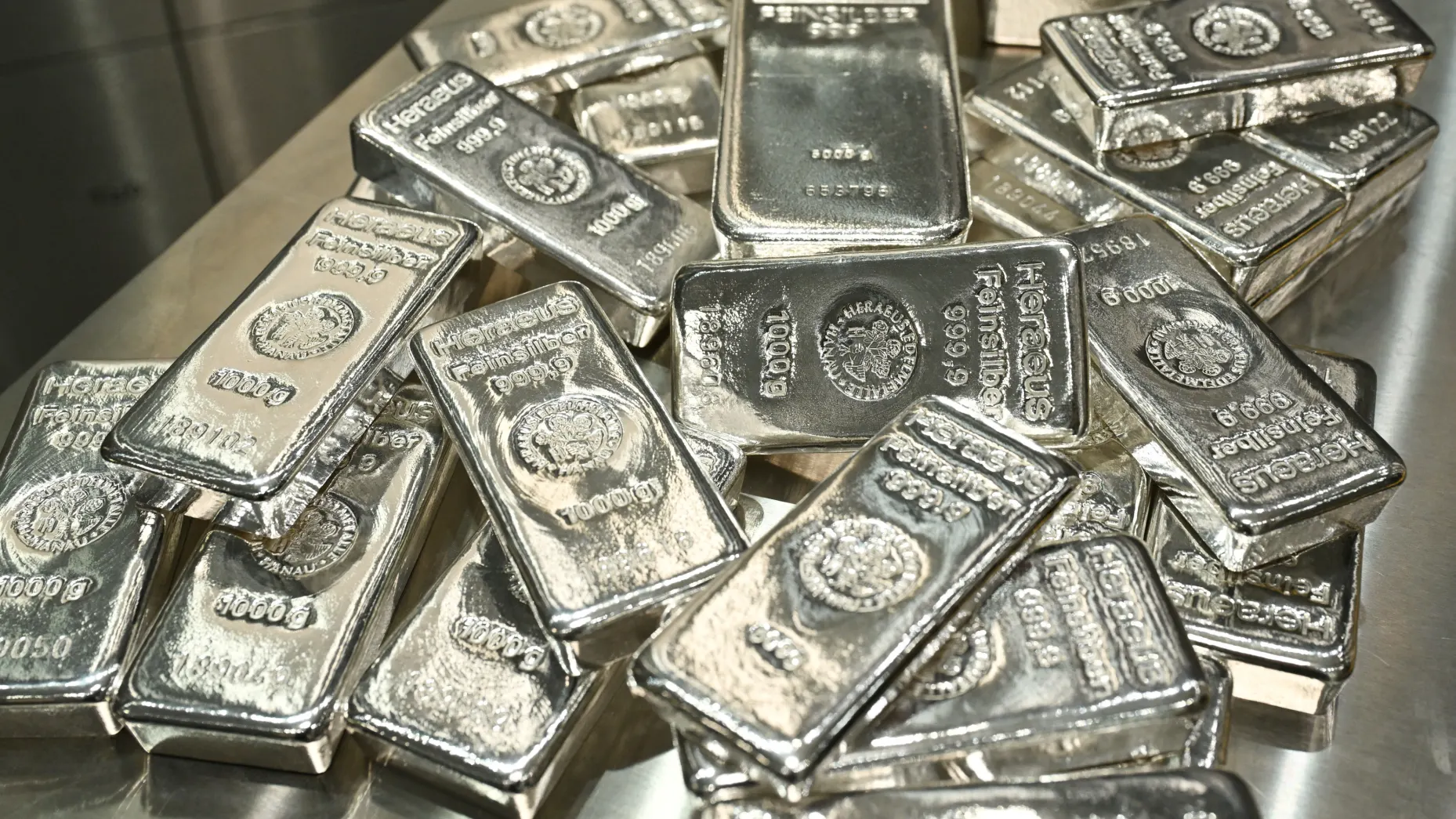
Silver bars are stacked in the safe deposit boxes room of the Pro Aurum gold house in Munich, Germany, January 10, 2025.
Beijing — China is formalizing stringent controls on silver exports starting January 1, 2026, effectively reclassifying the crucial industrial metal from an ordinary commodity to a strategic material. The move, which expands Beijing's oversight of critical supply chains, has drawn criticism from industry leaders like Tesla CEO Elon Musk and intensified concerns over global resource security amid soaring prices.
The new regulations, first outlined in October, restrict exports of silver, tungsten, and antimony—materials where China dominates global supply and which are vital for defense, electronics, and green technologies. While not an outright ban, the policy places silver under the same rigorous export control framework as rare earths. "This is not good. Silver is needed in many industrial processes," Musk posted on X in response to the news.
A Geopolitical and Market Calculus
The tightening of controls coincides with a period of extreme market volatility and strategic repositioning. Silver prices have more than doubled in 2025, on track for their best year since 1979, briefly surpassing $80 an ounce. This surge reflects not only industrial demand but also a broader investor flight from traditional assets, as noted by commentators who see it as "a flashing warning for the U.S. economy."
China's move is a calculated strategic pivot to leverage its resource dominance. By controlling the spigot of these critical materials, Beijing gains influence in the ongoing high-stakes race for technological and military supremacy. The policy follows a pattern of using trade controls as a geopolitical tool, even as it agreed to a temporary pause on some rare earth restrictions during recent U.S.-China talks.
Immediate Market Dislocation and Long-Term Supply Fears
The impending controls are already causing market dislocation. Kuya Silver, a Canadian miner, reported receiving unsolicited purchase offers from Chinese buyers at premiums of $8-$10 above spot prices, signaling acute preemptive stockpiling. This activity underscores the anxiety within global manufacturing, especially in sectors like automotive, solar, and electronics that are heavily reliant on silver.
For the United States and its allies, which recently added silver to their own critical minerals list, China's action highlights a dangerous vulnerability in a competitive ecosystem of strategic resources. It forces a reassessment of supply chain dependencies and accelerates the search for alternative sources and recycling technologies—a complex and urgent strategic maneuver for Western industries.
The silver controls of 2026 are more than a trade policy adjustment; they are a stark reminder of how foundational materials have become central chess pieces in 21st-century economic statecraft.
Recent
News


Newsletter
Subscribe to our mailing list to get the new updates!

Subscribe our newsletter to stay updated
Most
Reviews
Markets

Economy
.jpg)
Business

- Sun, 25 Jan 2026
Yankees Boss Opens Door To Trade Of Top Prospect
Finance
Markets