Trump’s tariffs trigger rising rate of job layoffs inside supply chain
A sharp increase in tariffs and associated costs under the Trump administration is leading to significant layoffs and undermining long-term business investment, according to a new survey of supply chain managers. The joint study by the Association for Supply Chain Management (ASCM) and CNBC found that 32% of respondents are now reporting layoffs, double the percentage recorded in April 2025.
"Tariffs just don’t hit the balance sheet. They hit the people," said ASCM CEO Abe Eshkenazi. "We're seeing layoffs because of companies trying to manage their cost structure."
The financial strain is widespread: 65% of managers reported at least a 10-15% increase in costs, with 34% facing increases greater than 15%. These pressures are forcing companies into a reactive "firefighting mode," shortening planning cycles and stifling strategic investment.
Beyond direct tariff payments, businesses face compounding administrative and financial burdens. Many are required to secure customs bonds—collateral held by U.S. Customs to guarantee tariff payments. This ties up working capital in what industry experts call "dead money," as the funds earn no interest and cannot be used for growth.
"Navigating the tariffs is an administrative burden," Eshkenazi noted. "We’re spending a huge amount of time tracking rule changes, validating codes, and trying to find the most effective way to operate in the short term without a long-term plan."
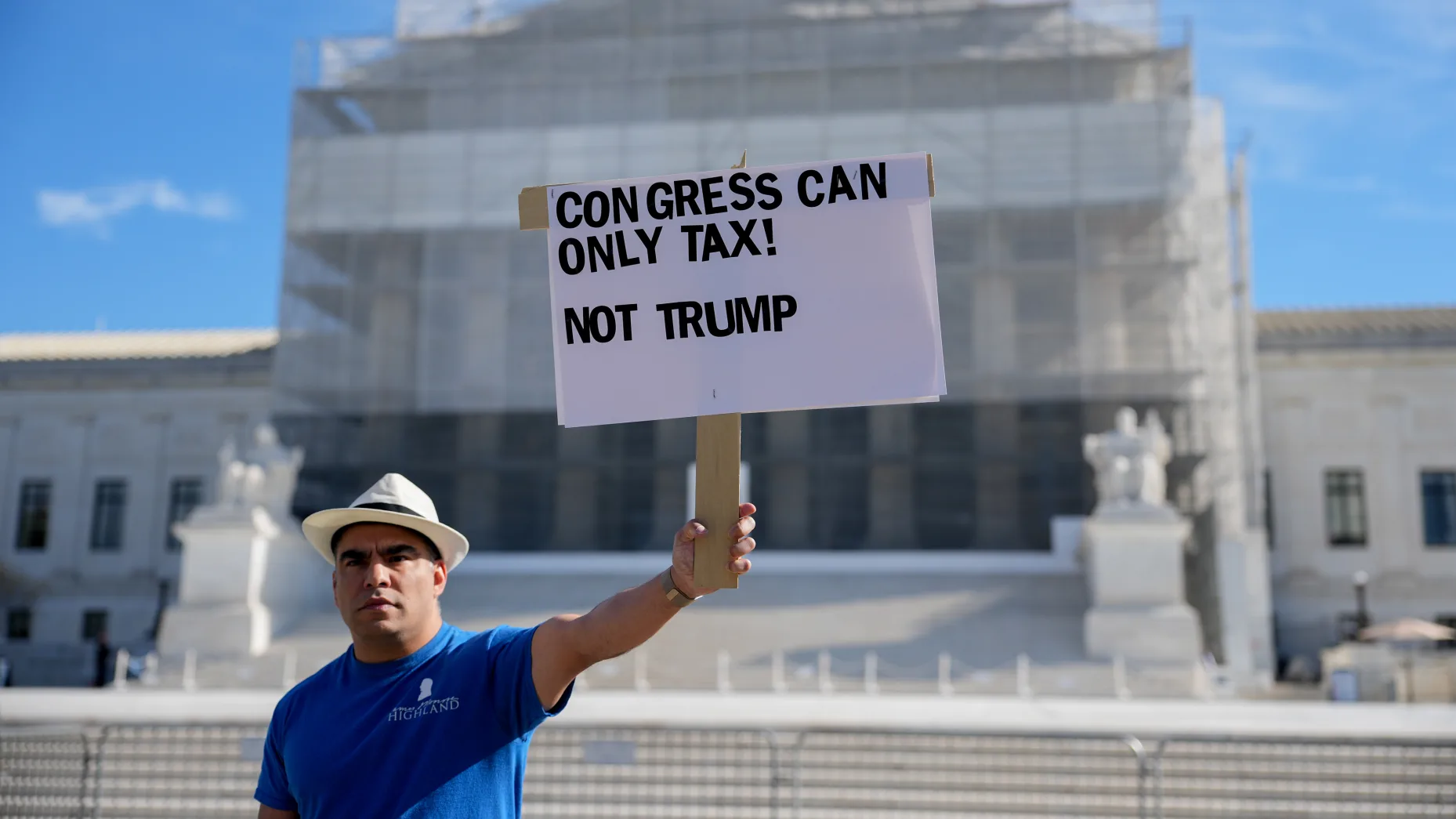
While businesses await a Supreme Court ruling on the legality of certain tariffs and potential refunds, Eshkenazi emphasized that the operational and human impacts are already entrenched and cannot be easily reversed. "The Supreme Court decision may settle a lot of legal questions, but not a lot of the operational, the financial, and the human impact that we’ve already seen," he stated.
The economic outlook among supply chain professionals remains uncertain and divided. Over half (56%) are concerned about a recession, with two-thirds of that group anticipating a downturn could begin in the second quarter of 2026. This climate of confusion and diminished confidence is hindering companies' ability to plan and invest for the future.
Recent
News




Newsletter
Subscribe to our mailing list to get the new updates!

Subscribe our newsletter to stay updated
Most
Reviews
Finance

Business

Markets
- Fri, 16 Jan 2026
Trump floats new tariffs in push to acquire Greenland
Markets

Economy