
Greg Abel's $25 Million Salary Marks New Era for Berkshire Hathaway
Greg Abel, the newly appointed CEO of Berkshire Hathaway, will receive an annual cash salary of $25 million in 2026, a 19% increase from his 2024 compensation as vice chairman. According to a Wall Street Journal analysis, this base salary would be the highest ever reported by an S&P 500 CEO between 2010 and 2024, excluding stock-based awards.
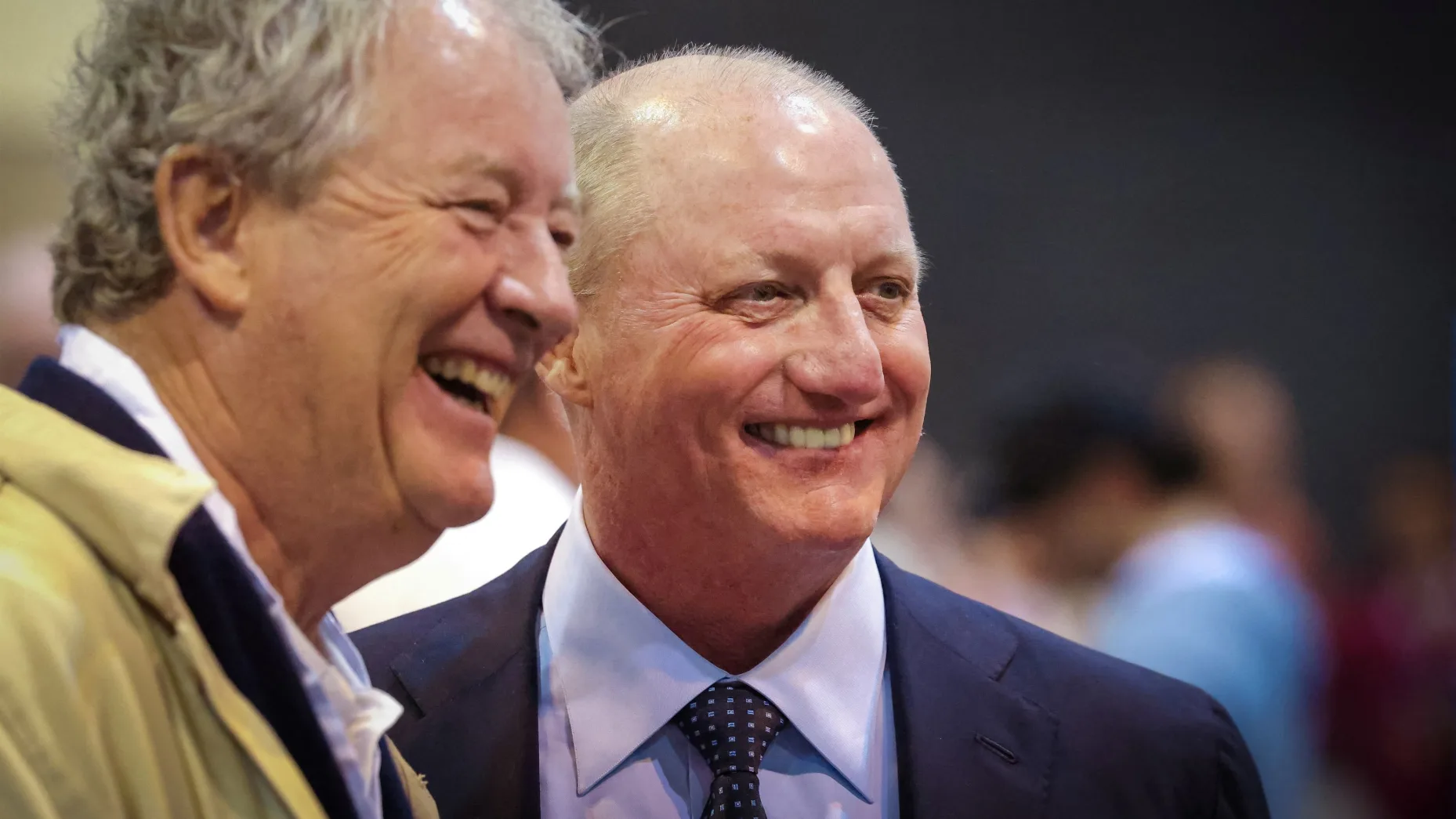
While Abel’s cash compensation significantly exceeds the 2024 median S&P 500 CEO pay of just over $16 million (including stock), most top-tier executives in that group received total packages exceeding $25 million when equity awards are included. Berkshire Hathaway maintains a longstanding policy of not using stock to compensate employees.
The figure represents a stark departure from the symbolic $100,000 salary of predecessor Warren Buffett, who built his nearly $150 billion net worth almost entirely through Berkshire's stock appreciation. Buffett, in a 2017 annual meeting discussion, suggested his successor might be wealthy enough to "set an example" by accepting below-market compensation, or alternatively receive a modest salary paired with a uniquely structured option whose strike price increases annually to account for retained earnings—a design he noted is common in private companies but rare in public ones.
Abel currently owns Berkshire shares valued at approximately $171 million. Some investors, like Jonathan Boyar, have suggested he should personally acquire a more substantial stake to align fully with shareholders.
The compensation shift signals a move toward corporate "normalization" as leadership transitions from the founder-led era. London Business School professor Randall Peterson observes that companies often begin conforming to industry norms after founders step back, though he expects Berkshire’s distinct culture to evolve gradually.
Buffett has previously affirmed that Abel leads a "normal life" despite his high compensation. The market will now watch how Abel steers the conglomerate, which last year underperformed the S&P 500 by 7 percentage points—Buffett’s preferred benchmark.
Recent
News




Newsletter
Subscribe to our mailing list to get the new updates!

Subscribe our newsletter to stay updated
Most
Reviews
Markets
Top Stories
Politics
Wealth

Business

- Sat, 24 Jan 2026