
Trump unveils health-care plan outline as Congress wrestles over Obamacare subsidies
President Donald Trump on Thursday unveiled the outline of a new health-care initiative, dubbed "The Great Healthcare Plan," which the White House claims will lower prescription drug costs and insurance premiums. The announcement comes as a bipartisan Senate effort to extend Affordable Care Act (ACA) subsidies faces significant Republican resistance, threatening premium hikes for millions.
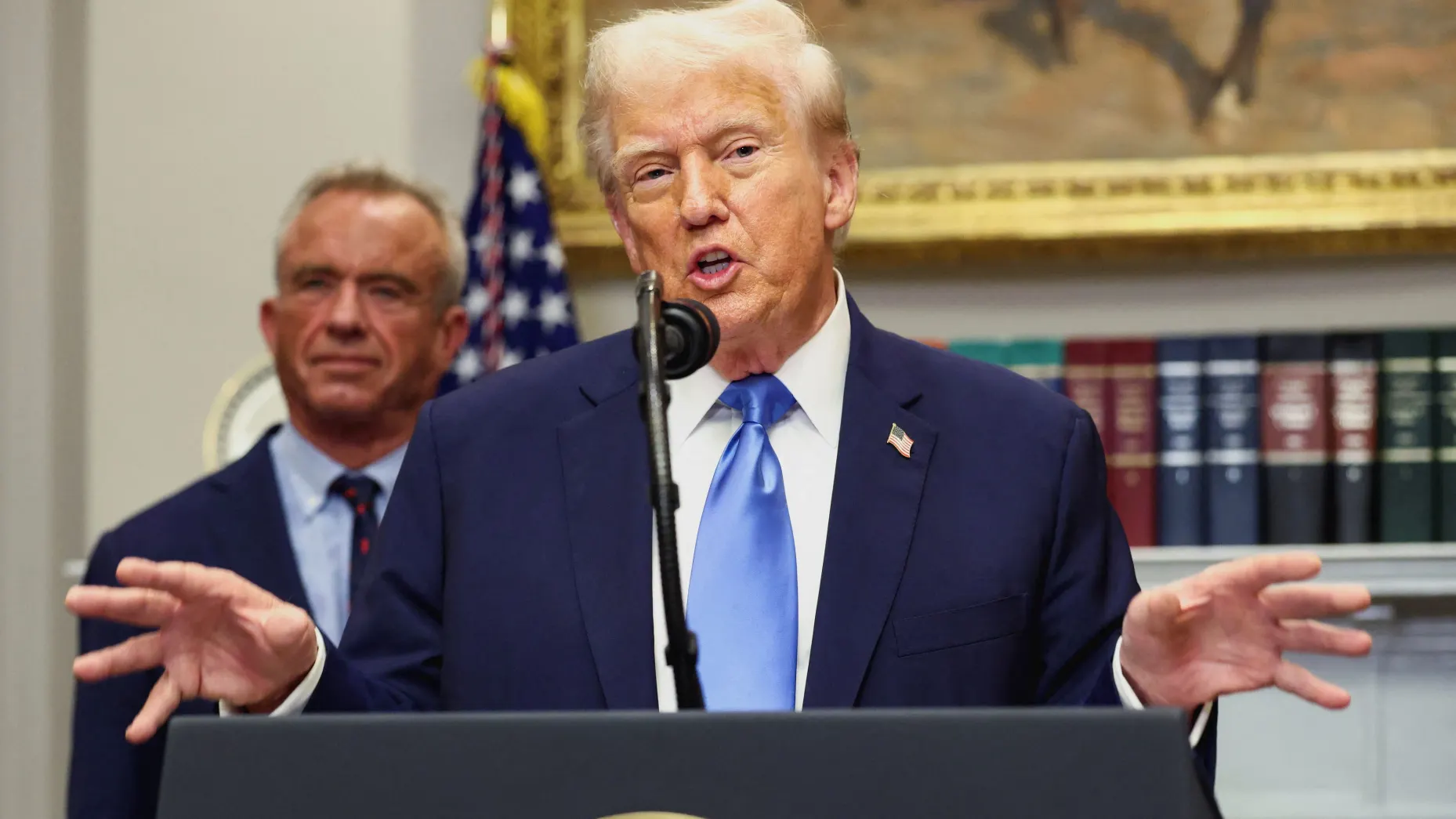
The framework seeks to codify recent agreements between the Trump administration and major pharmaceutical companies. Under these "most-favored-nation" deals, over a dozen drugmakers agreed to lower prices for certain medications for Medicaid patients in exchange for tariff exemptions, with some discounts also slated for the president's direct-to-consumer platform, Trump Rx. The White House fact sheet states the plan would "make more verified safe pharmaceutical drugs available for over-the-counter purchase."
A central tenet of the proposal is redirecting federal health-care funds. The administration aims to send money for coverage "directly to the American people" instead of providing "big insurance companies billions in extra taxpayer-funded subsidy payments." The plan also proposes funding a cost-sharing reduction program intended to cut premiums for common ACA plans by over 10%.
Additional measures include new transparency requirements for insurers and health-care providers. Insurers would be mandated to post coverage comparisons and claim denial rates "in plain English," while Medicare and Medicaid providers would have to publicly display pricing to avoid surprise billing.
However, the White House framework notably omits any extension of the now-expired ACA subsidies, a key demand from Democrats in ongoing congressional negotiations. The bipartisan Senate talks have been stalled recently over disputes related to abortion funding restrictions.
Some negotiators expressed concern that the White House plan could complicate their efforts. "Does this set things back if he signals that he does not support extending [the subsidies]? I mean, that’s the basis of our plan here," said Senator Lisa Murkowski (R-Alaska). A White House official clarified that the framework does not close the door on subsidies but clearly states the administration's preference for funding individuals over insurance companies.
Democratic negotiator Senator Jeanne Shaheen (D-N.H.) indicated most areas of the congressional talks have agreement and expressed optimism about finalizing bill text. President Trump, in a video announcement, urged Congress to pass his framework "without delay."
Recent
News




Newsletter
Subscribe to our mailing list to get the new updates!

Subscribe our newsletter to stay updated
Most
Reviews
Markets


Economy

- Thu, 15 Jan 2026
Bessent Gives Rare Verbal Support to Korean Won, Sparking Rally
Business

- Wed, 21 Jan 2026