California’s Ro Khanna faces Silicon Valley backlash after embracing wealth tax
San Francisco/Washington, D.C. — Democratic Congressman Ro Khanna is facing a fierce revolt from his traditional allies in Silicon Valley after endorsing a proposed California wealth tax, with prominent tech investors and executives threatening to fund a primary challenge against him and even leave the state. The controversy highlights a deepening rift within the Democratic coalition between progressive economic policies and the party's influential tech donor base.
The proposed "2026 Billionaire Tax Act," backed by a major labor union, would impose a one-time 5% levy on the assets of California billionaires to fund healthcare. Khanna's support, articulated with a sarcastic nod to FDR—"I will miss them very much"—triggered immediate backlash. Martin Casado, a partner at Andreessen Horowitz (a top Khanna donor), vowed to vote him "the f--- out," while Y Combinator CEO Garry Tan called for a primary challenge. Their core objection: the tax would apply to unrealized gains, hitting startup founders with illiquid, paper wealth.

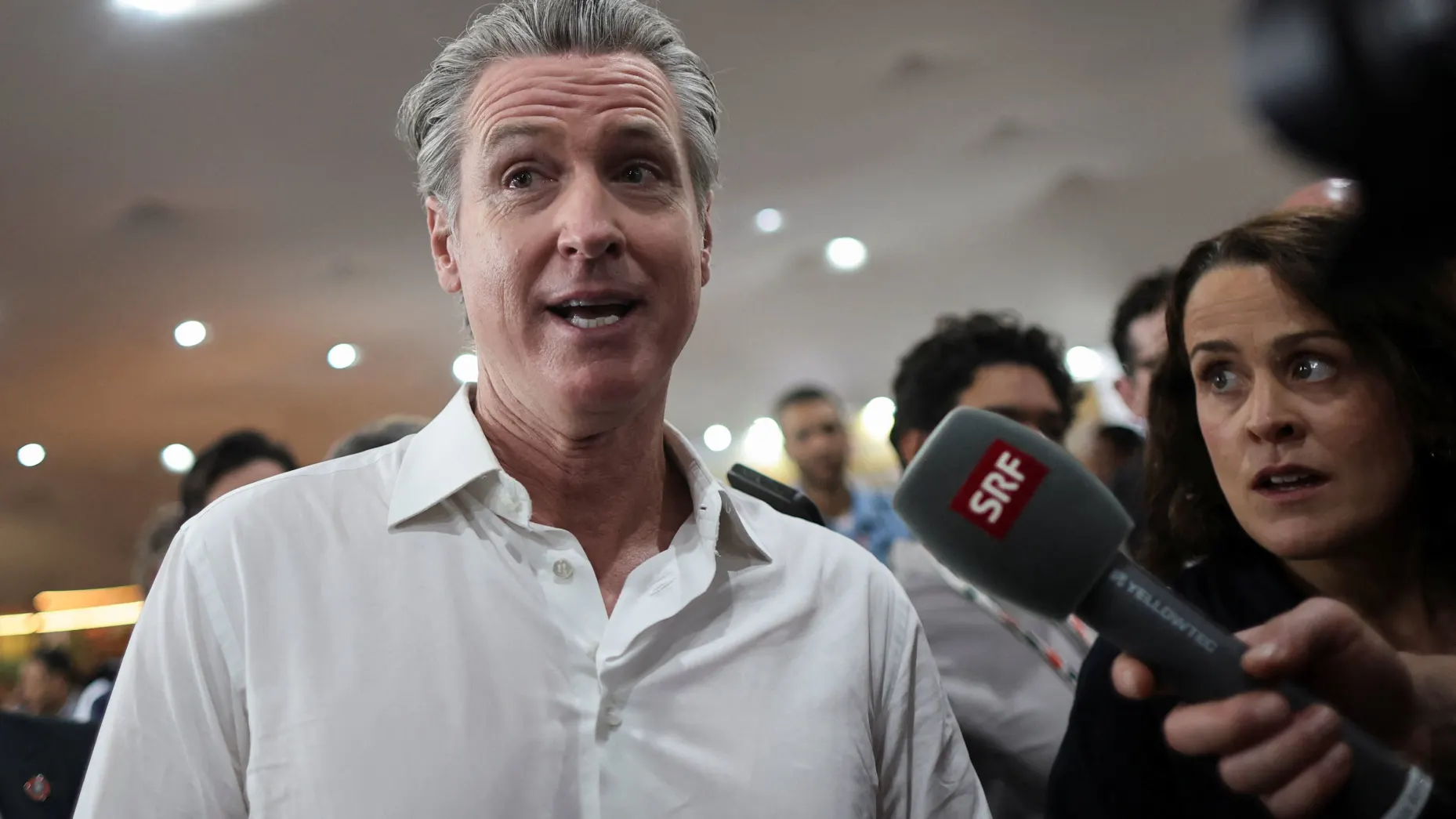
California Governor Gavin Newsom attends the UN Climate Change Conference (COP30), in Belem, Brazil, Nov. 11, 2025.
A Political Tightrope: Policy Support with Proposed "Workarounds"
Khanna's office attempted to navigate the uproar by reaffirming his support for entrepreneurship while advocating for the tax. A spokesperson stated he supports "commonsense workarounds for startup founders whose companies are not profitable and who have illiquid stock," trying to reconcile his progressive fiscal stance with the practical concerns of the innovation economy. This represents a delicate strategic pivot for Khanna, who represents the heart of Silicon Valley and co-wrote the pro-industry CHIPS Act.
The congressman is not alone in facing pressure. Democratic Governor Gavin Newsom opposes the state-level tax, warning of competitive disadvantages, even as national polls show broad Democratic voter support for taxing the wealthy. Meanwhile, the Republican party is making strategic inroads in the tech community, with many CEOs cultivating ties to the Trump administration.
A High-Stakes Test of Loyalties and Political Calculus
The standoff is a high-stakes test of political loyalties in a deep-blue district. Khanna argues that a modest wealth tax would not deter innovation, a view vehemently contradicted by venture titans like Vinod Khosla, who warns it would drive top talent out of California. The clash underscores the evolving and often contentious competitive ecosystem within the Democratic Party, where the priorities of its progressive base and its wealthy tech benefactors are increasingly at odds.
The outcome will signal whether a Democrat can successfully champion redistributive policies in the backyard of modern capital creation without suffering severe political repercussions from the very industry that has fueled much of the region's—and the nation's—economic growth.
Recent
News



Newsletter
Subscribe to our mailing list to get the new updates!

Subscribe our newsletter to stay updated
Most
Reviews
Markets

- Mon, 26 Jan 2026
Ralph Lauren (RL) Stock Sinks As Market Gains: Here's Why
Business

Markets
Business
Business