
Painting Services and Local Interior Painter Costs
Compare interior painting options, average cost per room, eco-friendly paint choices, and labor rates. Learn how local painters build quotes and what to request for a smooth home painting project.
Interior Painting Services for Your Home
Professional painting services can refresh a single room, prepare a home for sale, or update an entire interior. Local painters commonly handle walls, ceilings, trim, doors, cabinets, drywall touch-ups, and color consultations as part of a tailored project scope.
Interior painting is usually priced by room, square footage, surface condition, and detail work. A straightforward bedroom has very different labor needs from a kitchen with cabinet painting, a stairwell with high walls, or a historic home with extensive trim.
| Service | Typical scope | Who it suits |
|---|---|---|
| Single-room painting | Walls and often minor prep in one room | Homeowners updating a bedroom, office, or nursery |
| Multi-room interior painting | Coordinated painting for several connected rooms | Families planning a broader color refresh |
| Whole-house painting | Most or all interior living areas | Move-ins, renovations, and homes being prepared for sale |
| Trim and door painting | Baseboards, crown molding, window trim, and doors | Homes needing a crisp finished appearance |
| Ceiling painting | Flat or textured ceiling surfaces | Rooms with stains, scuffs, or outdated ceiling color |
| Cabinet refinishing | Cleaning, sanding, priming, and coating cabinets | Kitchen or bath updates without full replacement |
Painters for your home may offer either a labor-only arrangement or a full-service proposal that includes materials. Full-service projects are often easier to compare when each estimate clearly identifies paint brand, sheen, number of coats, preparation, repairs, and cleanup.
Average Cost Per Room for Interior Painting
For a standard room with paintable walls in good condition, professional interior painting often costs roughly $400 to $1,200 per room in the United States. Larger rooms, tall ceilings, detailed trim, repairs, and premium coatings can move the total higher.
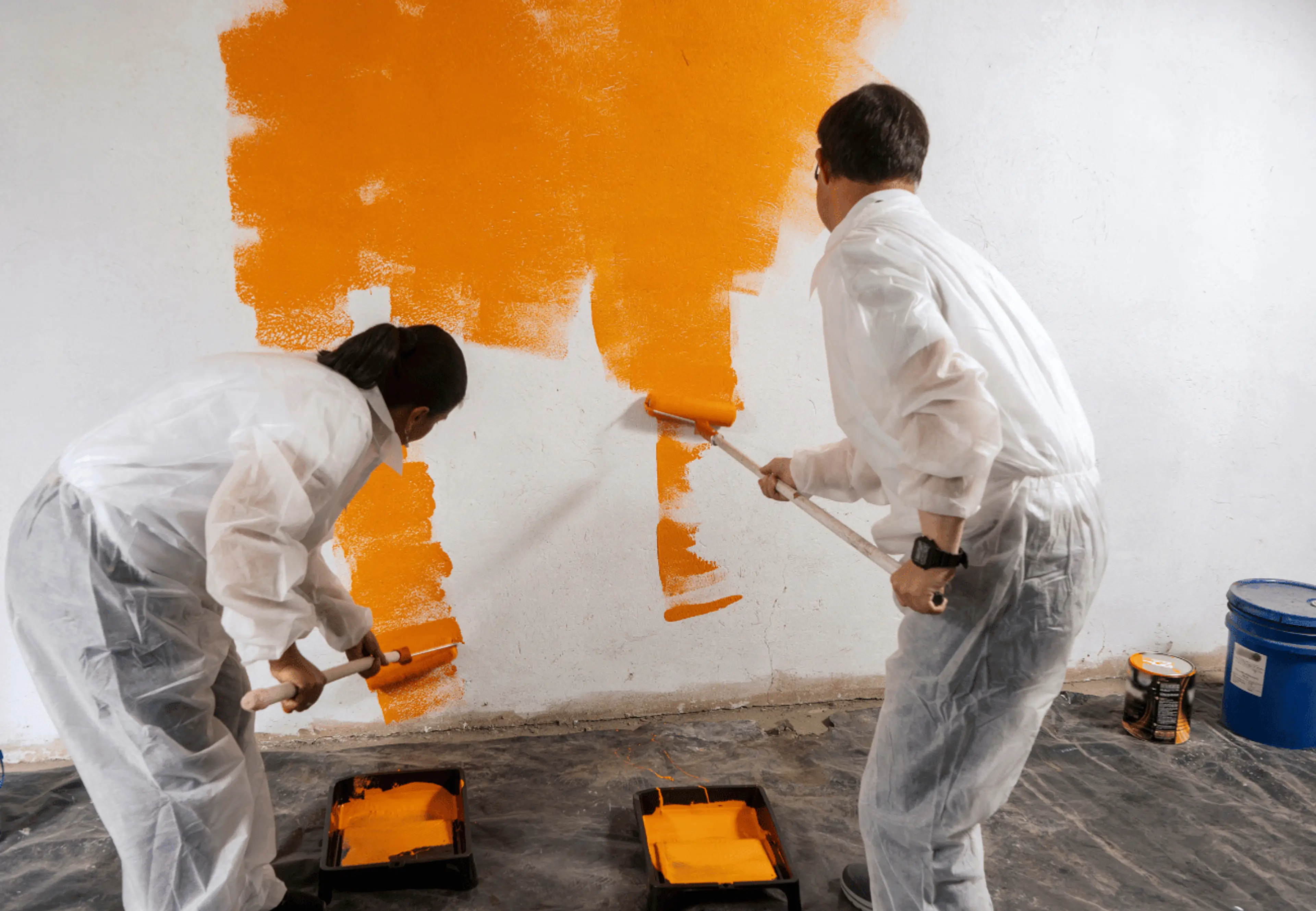
Many painters use a combination of square-foot pricing and estimated labor hours rather than one fixed per-room amount. This lets them account for furniture protection, masking, patching, sanding, priming, and the number of coats needed for reliable coverage.
| Project type | Typical professional price range | Common price drivers |
|---|---|---|
| Small bedroom or office | $300–$800 | Wall condition, color change, ceiling height |
| Standard bedroom | $400–$1,200 | Room size, trim, ceilings, furniture moving |
| Living room or large primary bedroom | $700–$2,000 | Open layout, high ceilings, window and trim detail |
| Bathroom | $250–$800 | Moisture-resistant paint, tight spaces, prep |
| Kitchen walls and ceiling | $500–$1,500 | Grease cleaning, cabinets, cut-in work |
| Interior of a typical house | $2,500–$10,000+ | Home size, rooms included, repairs, finishes |
These are planning ranges, not fixed quotes. A written onsite or virtual estimate is the practical way to price your particular rooms. Measurements and photos help a painter identify surface repairs, difficult access, and the materials required before work begins.
Ask for the estimate to separate prep, paint and supplies, labor, optional repairs, and add-ons such as ceilings or trim. Clear line items make it easier to compare proposals with different scopes.
Local Painter Labor Charges and Quote Details
Labor is often the largest part of an interior painting quote. Professional crews spend substantial time protecting floors and furniture, filling holes, sanding rough areas, taping edges when appropriate, applying paint, and cleaning the work area at the end.
Independent painters may quote by the project or charge hourly, while larger painting companies commonly provide fixed project estimates. Hourly labor rates vary substantially by market, experience, insurance coverage, crew size, and the complexity of the job.
| Quote component | What it may include | Why it affects cost |
|---|---|---|
| Surface preparation | Patching, caulking, sanding, stain blocking | Strong prep improves adhesion and the finished look |
| Labor and crew time | Application, cutting in, rolling, cleanup | Detailed rooms and access constraints take longer |
| Paint and supplies | Paint, primer, tape, plastic, rollers, drop cloths | Coating quality and coverage requirements vary |
| Repairs | Drywall fixes, texture work, damaged trim | Repair work is separate from basic painting in many quotes |
| Protection and moving | Covering floors and moving manageable furniture | Occupied rooms require additional setup and care |
| Project management | Scheduling, walkthroughs, warranty documentation | May be included by established painting companies |
Before hiring, confirm whether the quote covers one or two finish coats, primer where needed, the ceiling, doors, and trim. Also ask whether minor nail-hole filling is included and how larger drywall repairs will be approved and billed.
Safe and Eco-Friendly Interior Paint Options
Low- and zero-VOC paints are popular choices for bedrooms, nurseries, occupied homes, and households seeking lower-odor products. VOC means volatile organic compounds, which can be released during and after painting. Product labels and technical data sheets identify VOC information.
Major paint brands offer low- or zero-VOC interior lines in a broad range of colors and sheens. Benjamin Moore, Sherwin-Williams, Behr, and Clare are examples of brands with lower-VOC options, although the exact formula varies by product line, colorant, and finish.
| Paint choice | Typical use | Cost consideration |
|---|---|---|
| Standard interior latex paint | General walls and ceilings | Usually the lowest material cost |
| Low-VOC interior paint | Living spaces and regularly occupied rooms | Often moderately higher than value paint |
| Zero-VOC paint | Low-odor preference and sensitive spaces | May carry a premium depending on line and color |
| Washable premium paint | Hallways, kitchens, children's rooms | Higher upfront cost can suit high-touch walls |
| Moisture-resistant bathroom paint | Bathrooms and laundry areas | Specialized performance can increase material cost |
A good painting contractor can recommend a coating based on the room's use, existing finish, expected wear, and ventilation. For a consistent result, specify the preferred brand, paint line, sheen, and color in the written scope instead of relying only on a general "eco-friendly paint" description.
How to Find Interior Painters Near You
Searching for interior painters near you is a useful starting point, but the best fit is typically the company that provides a detailed scope, communicates clearly, and has experience with your type of project. Request estimates from two or three qualified local providers when timing allows.
Look for contractors who can explain their preparation process, paint recommendations, crew scheduling, and final walkthrough. For substantial house painting, it is reasonable to ask about business licensing requirements in your area, liability insurance, worker coverage, and written workmanship terms.
| Question to ask | Helpful answer to look for |
|---|---|
| What surfaces are included? | A room-by-room list of walls, ceilings, trim, doors, and exclusions |
| How will you prepare the walls? | Specific steps for cleaning, patching, sanding, caulking, and priming |
| Which paint will you use? | Brand, product line, sheen, and number of finish coats |
| Who performs the work? | An identified crew or employee/subcontractor arrangement and supervision plan |
| How long will the project take? | A realistic start window, work schedule, and estimated completion |
| How are changes handled? | Written approval and pricing for added repairs or scope changes |
Photos, references, and a clear estimate can be more useful than choosing solely by the lowest price. A low initial number may exclude prep work, materials, ceilings, or repair items that another proposal includes from the beginning.
Free Painting Quotes and Estimate Comparison
A free painting quote gives you a chance to define the project before committing. For the most accurate estimate, provide the number of rooms, approximate dimensions, ceiling height, photos, desired colors, and whether you want walls only or a complete walls-ceilings-trim package.
Virtual estimates can work well for simple rooms, particularly when clear photos and measurements are available. An in-home assessment is often more suitable for whole-house painting, textured walls, water stains, extensive furniture, older surfaces, or visible drywall damage.
| Package approach | Usually includes | Best for |
|---|---|---|
| Walls-only package | Wall prep, wall paint, standard cleanup | A focused color update on a controlled budget |
| Room refresh package | Walls plus selected trim or ceiling work | One-room transformations and move-in updates |
| Whole-home package | Multiple rooms, coordinated colors, staged scheduling | Larger interior painting plans |
| Premium preparation package | Enhanced repairs, priming, premium coatings | Homes with worn surfaces or a high-finish goal |
| Eco-conscious package | Low- or zero-VOC paint selection and standard prep | Households prioritizing lower-odor paint options |
Compare estimates on equal terms. If one painter includes two coats of premium paint and drywall touch-ups while another lists one coat and no repairs, the totals do not represent the same service. Request a revised scope if you need a direct comparison.
Set aside a small project allowance for approved repairs or color changes. This keeps the main estimate clear while giving you flexibility if the painter finds hidden wall damage after furniture is moved.
Choosing a House Painting Service and Getting Started
Start by deciding which rooms matter most, whether you want ceilings and trim included, and what finish level fits your budget. Neutral wall colors can support resale preparation, while personal colors may make a long-term home feel more tailored to your style.
Schedule sample testing before the crew arrives. Paint colors shift with natural light, artificial lighting, flooring, and adjacent rooms. Applying sample patches or using large sample boards helps you choose a color and sheen with more confidence.
For a smooth painting day, remove fragile items, clear small décor, identify furniture that must remain in place, and discuss pet access. Your painter can then plan protection and workflow around the home's daily routine.
When you are ready, contact local painting services for a free quote. Share your room list and priorities, then use the written estimate to choose a painter whose scope, paint options, schedule, and price align with your project.
FAQ
What is the average cost to paint a room in the United States?
A professional interior painting project for a standard room commonly costs about $400 to $1,200. Small, simple rooms may cost less, while large rooms, high ceilings, trim, repairs, and premium paint can increase the price.
Do painting quotes usually include paint and labor?
They can include both, but it depends on the contractor. Ask for an itemized estimate that identifies labor, paint and supplies, preparation, repairs, the number of coats, and any separate charges for ceilings, trim, or doors.
Are low-VOC and zero-VOC paints more expensive?
They can cost more than basic interior latex paint, although pricing depends on the brand and product line. They are widely available in many colors and are a popular option for occupied homes, bedrooms, and nurseries.
How can I compare interior painter estimates fairly?
Make sure every estimate covers the same rooms and surfaces, preparation steps, paint line, number of coats, repair allowances, and cleanup. A lower quote may cover fewer services, so compare scope before comparing the final price.
Should I get an in-home estimate for house painting?
An in-home estimate is especially useful for whole-house projects, tall ceilings, older walls, significant furniture, stains, textured surfaces, or repairs. Virtual quotes can be convenient for simple projects when you can provide accurate measurements and clear photos.