Dental Implant Cost in Australia: What Affects the Price and How to Compare Your Options
I called three clinics in Sydney about a single tooth implant. One quoted $3,500, another $5,500, and the third wouldn't give a number until I paid for a scan. The gap wasn't about the implant itself—it was about what each quote actually included. Here is what the 2026 pricing data shows, and how to read a quote before you commit.
If you're searching for "dental implants cost" in Australia, the first thing to understand is that there is no single fixed fee. A single tooth implant typically ranges from around $3,000 to $6,500+, but that figure can mean very different things depending on whether the crown, abutment, scans, and follow-up care are included. This guide breaks down the real price ranges, what drives the variation, and the questions that separate a complete quote from a misleading headline.
Dental Implant Costs in Australia: What the 2026 Data Shows
| Treatment Type | Typical Price Range (AUD) | What a Complete Quote Usually Includes |
|---|---|---|
| Single tooth implant | $3,000 – $6,500+ | Implant fixture, abutment, final crown, consultation, scans, follow-up |
| All-on-4 (per arch) | $18,000 – $35,000+ | Four implants, temporary prosthesis, final bridge; check if final teeth are included |
| Zygomatic implants (per arch) | From $30,000+ | Complex upper jaw cases; advanced planning and surgical expertise |
| Bone graft (if needed) | Variable, quoted separately | Additional bone material and surgical time; often not in the base implant price |
Important: These are indicative Australian ranges, not fixed prices. The lowest advertised figure may exclude the crown, abutment, scans, or follow-up—components that can add thousands to the final bill. Always ask for a written, itemised quote.
What Actually Drives the Price Gap
What's included—and what's not. A quote of $3,500 that covers only the implant fixture is not comparable to a $5,500 quote that includes the abutment, crown, scans, and reviews. The crown alone can account for a significant portion of the total, and some practices quote the surgical phase separately from the final restoration.
Bone condition and grafting. If your jawbone has deteriorated, a bone graft may be required before or during implant placement. This adds both cost and healing time, and is frequently excluded from the headline implant price.
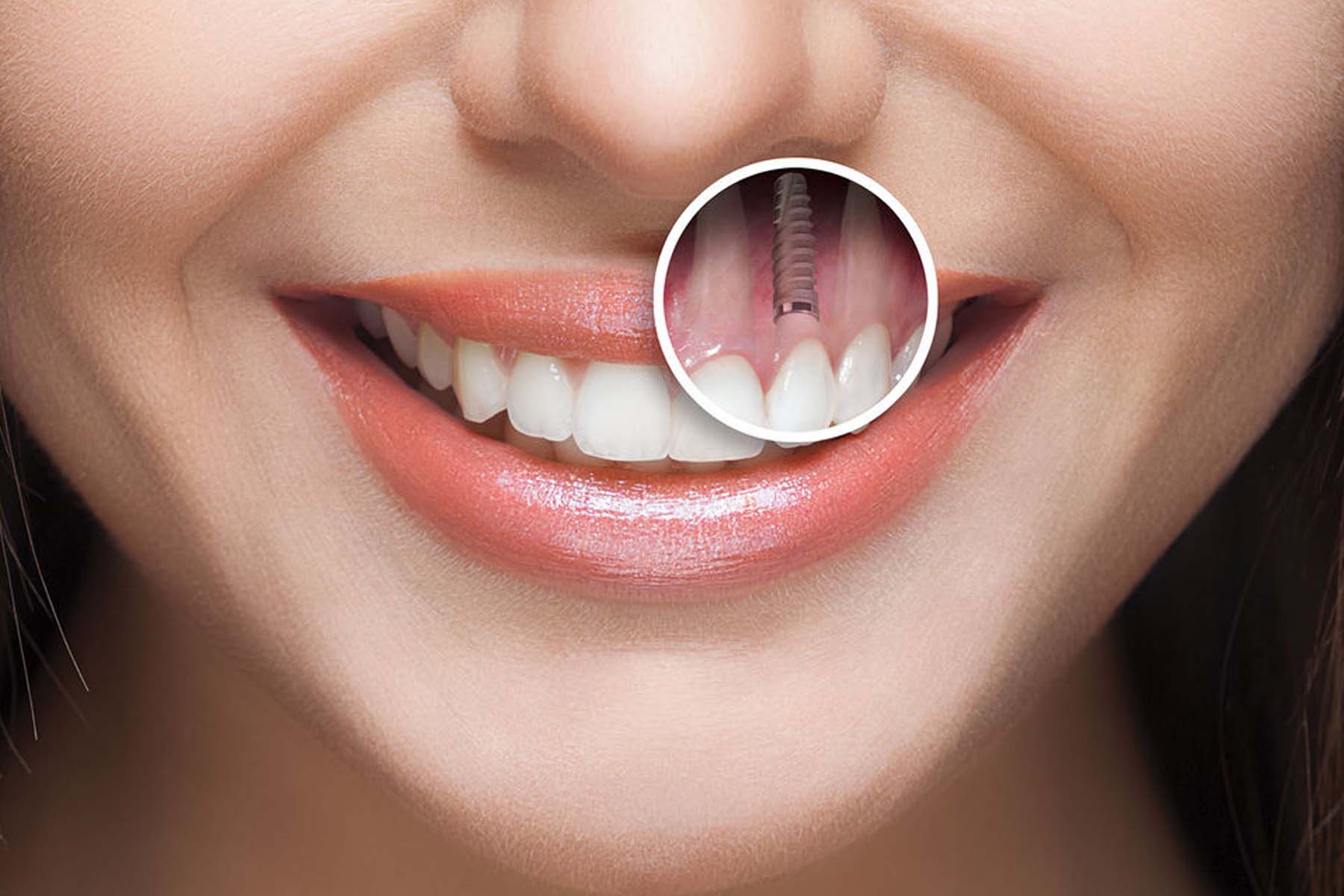
Implant brand and material. Premium implant brands and materials like zirconia (versus titanium) can carry higher price tags, though the long-term clinical evidence varies by case.
Clinician expertise and location. An experienced implant specialist may charge more than a general dentist, and urban practices typically have higher overheads than regional ones. This isn't necessarily a reason to choose the cheapest option—implant placement is a surgical procedure.
The "cheap implant" trap. A low price may exclude the final crown, abutment, temporary teeth, or follow-up appointments. It may also exclude the CT scan required for planning, which some clinics quote separately (for example, $350 at one Melbourne imaging centre). Comparing only the headline number can lead to a false economy.
Payment Plans and Financial Options
Interest-free plans. Several providers offer interest-free payment plans for dental treatment, including implants. Humm, for example, is accepted at many practices and regularly approves dental treatments worth $5,000 to $30,000+ on interest-free terms for eligible patients. Some practices advertise weekly repayments for implants starting from $65 per week, or All-on-4 from $120 per week, subject to lender approval.
In-house payment plans. Some clinics offer their own plans, which may be structured differently from third-party finance. Ask about the total repayment amount, not just the weekly or fortnightly figure.
Private health insurance extras. Some extras policies include a sublimit for "Dentures and Implants" (one example policy lists $1,350 within a 5-year period). Coverage varies widely, and the rebate is usually a fraction of the total cost. Check your specific policy's sublimits and waiting periods—Major Dental typically has a 12-month wait on most policies.
Early release of superannuation. In limited circumstances, you may be able to access super on compassionate grounds for necessary dental treatment. This is not available for elective cosmetic work, and eligibility is determined individually by the ATO. It is not a standard or recommended route for routine implant treatment.
Questions to Ask Before Committing
- Is the crown included in the quoted price? The final crown is a separate component and can add significantly to the total.
- Is bone grafting needed, and is it included? If not, ask for a separate quote before proceeding.
- What is the all-inclusive total? Request a written breakdown covering consultation, scans, surgery, implant, abutment, crown, temporary teeth (if needed), and follow-up reviews.
- Who performs the surgery, and what is their experience? A general dentist or a specialist? Ask about their track record with your specific case.
- What payment options are available, and what are the full terms? Interest-free plans may have approval criteria and fees; read the terms before committing.
- Does my private health fund cover any part of this, and what is my gap? Ask the clinic for the item numbers so you can check with your fund directly.
Your 5-Step Action Plan
- Get a clinical assessment first. X-rays or a CT scan will confirm whether you're a candidate and whether grafting is needed.
- Request written, itemised quotes from at least two providers. Compare what is included, not just the headline figure.
- Check your private health extras. Confirm your sublimit for implants and any waiting periods before you book treatment.
- Compare payment plan terms carefully. Look at the total repayment amount, not just the weekly figure, and check whether interest applies after any promotional period.
- Don't choose on price alone. Implant surgery is permanent. A complete quote from an experienced provider is more reliable than the lowest advertised number.
Dental implants in Australia typically start around $3,000–$6,500 for a single tooth and rise to $18,000–$35,000+ per arch for All-on-4, with the final figure depending heavily on what the quote actually includes. Request itemised written quotes, ask whether the crown and grafting are covered, and check your health fund and payment plan terms before committing. The right provider will give you a clear, complete plan—not just a number.