
Your Financial Lifeline: A Practical Guide to Getting Cash Now and Rebuilding Stability
Managing a financial crisis can feel overwhelming, particularly when you're already carrying debt or dealing with a negative credit history. This resource outlines essential emergency financial alternatives, important factors when selecting appropriate funding sources, and approaches for developing lasting financial stability—supporting informed choices during difficult circumstances.
What Leads People to Seek Emergency Financial Solutions
When an unexpected financial challenge arises—whether related to healthcare needs, essential vehicle repairs required for employment, or urgent household maintenance—accessing available funds can seem difficult. This urgency often drives searches for "quick loans online" or "get cash now" as individuals look for potential financial relief. Others, juggling multiple monthly payments, look toward "debt consolidation loan" options to simplify their obligations and potentially reduce financial stress. Familiarity with emergency financial alternatives represents an initial step toward regaining control and may help you avoid rushed decisions that could increase financial difficulties over time.
The Mechanism Behind Consolidation Loans and Personal Loans
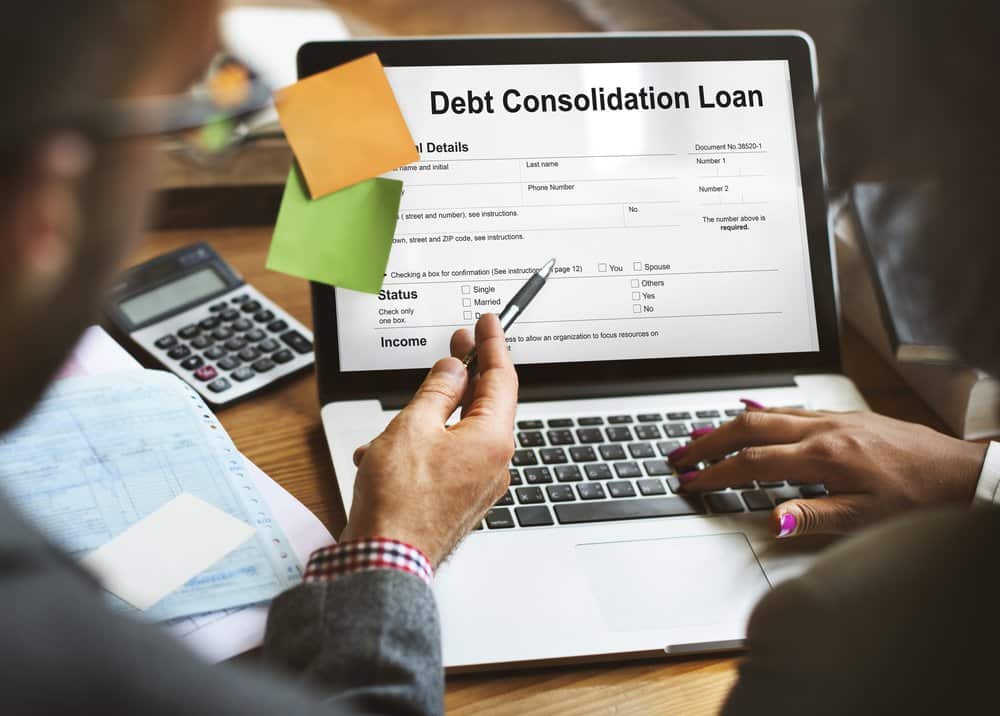
Understanding how different financial products work is essential for making informed choices. A "debt consolidation loan" may be used to combine multiple debts—such as credit card balances, medical bills, or eligible loans—into a single new loan, potentially with a different interest rate and one monthly payment. This can simplify your finances, although whether it reduces the total cost depends on the interest rate, fees, repayment period, and other terms. "Personal loans," by contrast, are typically unsecured loans that can be used for various purposes, including emergencies. When searching for "best debt consolidation loans," it's important to compare annual percentage rates (APRs), loan terms, and any origination fees, and consider whether the total cost and repayment terms fit your financial situation.
Advantages of Credit Lines and Strategic Borrowing
For those needing flexible access to funds, learning "get a line of credit" can help you understand a potential financial tool. A line of credit generally functions similarly to a credit card—you may be approved for a maximum amount and typically pay interest or other charges according to the amount you borrow and the terms of the agreement. This can offer flexibility for ongoing or unpredictable expenses. When used responsibly, some lines of credit may help establish a positive payment history if payment activity is reported to credit bureaus. Compared with some "quick loans online," a line of credit may allow you to draw funds as needed rather than receiving a single lump sum, although interest, fees, and repayment requirements vary by lender.
Potential Considerations: Comparing Quick Loans and Consolidation Options
When facing an urgent need to "get cash now," it's tempting to accept the first offer encountered. However, carefully evaluating options can help protect your long-term financial situation. "Quick loans online" may come with high interest rates, fees, or short repayment periods, potentially creating additional financial pressure if the borrower cannot repay as agreed. In contrast, "consolidation loans" and traditional "personal loans" from lenders—including credit unions and online platforms—may offer different rates and terms depending on the borrower's credit profile and the lender's requirements. Before committing, calculate the total cost of any loan, understand prepayment terms and potential penalties, and verify the lender's legitimacy through available regulatory information and other reliable sources.
Recovery and Daily Experience: Building Financial Resilience
While emergency funding may address an immediate financial need, taking steps toward enhanced financial stability for the future is equally important. If you've used a "debt consolidation loan" to simplify obligations, focus on making consistent, on-time payments, which may support responsible credit management when reported to credit bureaus. Begin developing a spending plan that prioritizes essential costs while allocating modest amounts toward emergency savings—even small regular contributions can accumulate meaningfully over time. As you establish positive habits with "personal loans" or lines of credit, focus on responsible repayment and understanding product terms rather than assuming access to better financial tools or more favorable terms is guaranteed.
Final Thoughts: Selecting Appropriate Solutions for Individual Circumstances
During emergencies, feeling overwhelmed and making hasty choices can happen easily, but dedicating time to understand available alternatives can support more informed financial decisions. Whether you're exploring "debt consolidation loan" options to simplify existing obligations, seeking "personal loans" for immediate needs, or learning "get a line of credit" for future flexibility, carefully examine terms, understand repayment conditions, and consider your ability to meet the required payments.
By comparing available alternatives and considering the total cost, fees, repayment period, and potential risks, you can make a decision that takes both your urgent need and future financial stability into account. Your path forward begins with understanding the available options and choosing an approach that fits your circumstances.