Unlock Real Estate Opportunities: Navigating Foreclosures and Cash Market Strategies
The US real estate market is constantly shifting, leaving many property owners and investors searching for the most efficient transaction methods. Whether you are an investor looking to expand your portfolio or a homeowner exploring ways to get cash for home equity, understanding the mechanics of fast liquidity is crucial. Traditional financing often involves lengthy approval processes, which is why an increasing number of participants are pivoting toward all-cash transactions and distressed property markets.
Navigating this landscape requires more than just capital; it demands a solid grasp of market timing and valuation. When evaluating a cash offer on house, the numbers can vary wildly based on location, property condition, and local foreclosure rates. If your goal is to sell my house quick for cash, jumping at the first opportunity without researching real-time market data could mean leaving thousands of dollars on the table. This gap between a standard sale and quick home sales cash is often bridged by specialized real estate investors who buy a house with cash to rehabilitate and flip. But is this route suitable for your specific property? The answer lies in the fine print of local real estate trends.
The Dynamics of the Modern Real Estate Cash Market
In recent years, the proportion of all-cash transactions in the residential sector has seen noticeable fluctuations. The appeal of a cash transaction lies primarily in its certainty and speed. When buyers do not need to rely on mortgage underwriting, the risk of a deal falling through due to financing issues evaporates. This creates a highly competitive environment where speed often trumps the highest preliminary bid.
For homeowners looking to liquidate assets, finding reliable avenues to get cash for home sales has become a specialized sub-industry. However, the market is highly localized. A strategy that yields high returns in a booming metropolitan area might fall flat in a stagnant suburban market. Understanding the nuances of these local cash markets is the first step for both buyers and sellers to optimize their financial outcomes.
Why Investors Choose to Buy a House with Cash
From an investment standpoint, liquidity is power. Investors who buy a house with cash hold a significant advantage during bidding wars, particularly when dealing with bank-owned properties or highly motivated sellers. By eliminating the need for lender appraisals and lengthy underwriting periods, cash buyers can close deals in a matter of days rather than weeks or months.

Furthermore, purchasing with cash opens the door to properties that traditional lenders will not touch. Homes with significant structural issues, roof damage, or missing essential systems often do not qualify for conventional mortgages. Cash investors absorb this risk, aiming to secure the property at a steep discount, renovate it, and either hold it for rental income or return it to the retail market.
Navigating Foreclosed Properties: Hidden Germs or Money Pits?
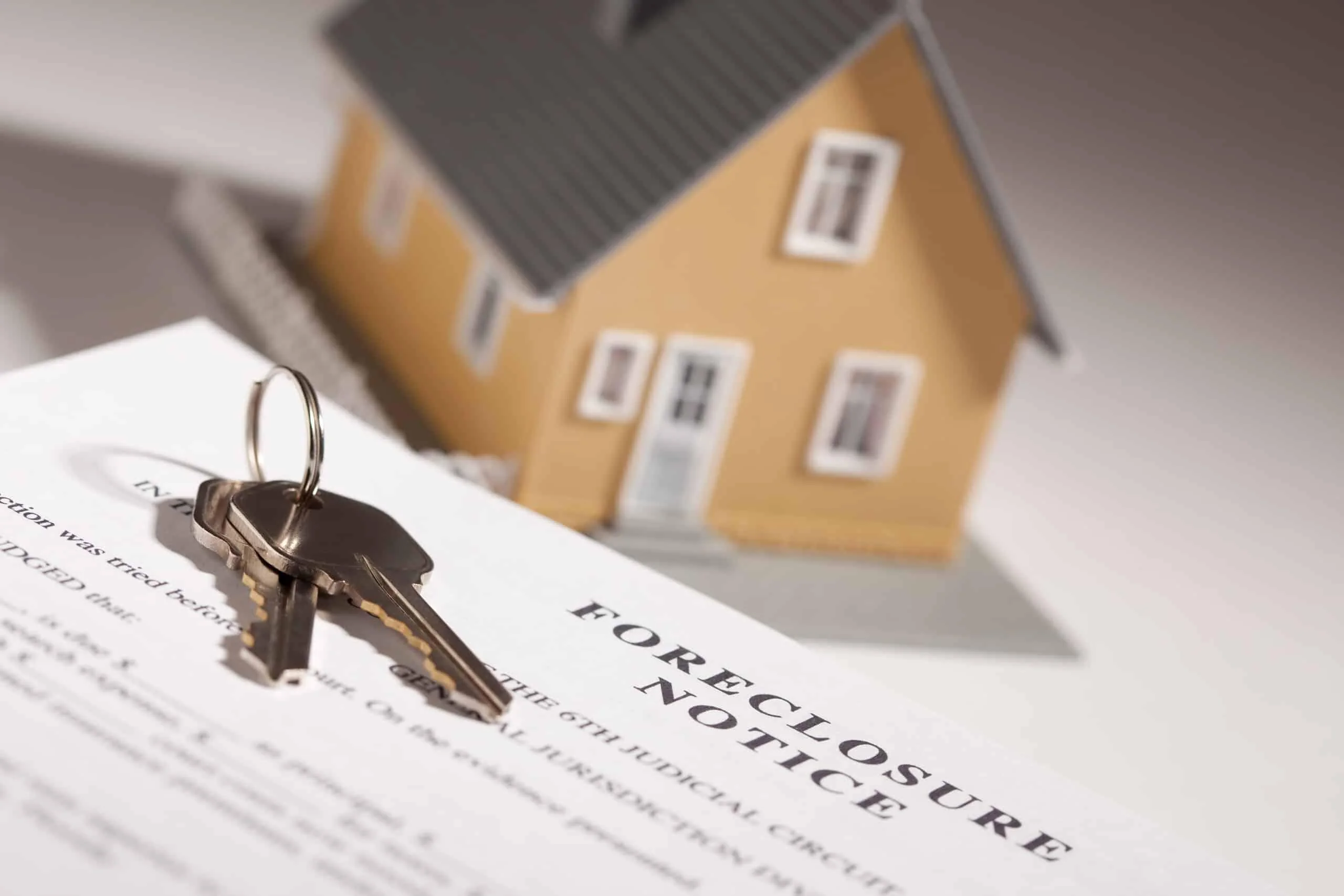
Foreclosures represent a unique segment of the real estate market. When a homeowner defaults on their mortgage, the lender attempts to recover the balance by auctioning the property or taking ownership as Real Estate Owned (REO). These properties are heavily targeted by cash buyers because they are frequently sold “as-is” and require immediate, unfinanced capital.
The Reality of Auctions and REOs
While foreclosures are often associated with deep discounts, they carry substantial risks. Buyers at public auctions generally cannot inspect the interior of the property beforehand, and they inherit any existing liens or title defects. Therefore, while the prospect of acquiring a foreclosed asset is enticing, it requires rigorous due diligence. Legal checks, and a buffer for unexpected repair costs. The discrepancy in foreclosure laws from state to state means investors must constantly seek updated legal and procedural information in their specific jurisdictions.
The Seller’s Perspective: Seeking Quick Home Sales Cash
On the other side of the transaction are property owners facing circumstances that demand immediate liquidity. Relocations, inherited properties, impending foreclosures, or homes requiring unaffordable repairs often push owners toward the cash market. In these scenarios, the priority shifts from maximizing the final sale price to minimizing the time and hassle of the sale.
Opting for quick home sales cash eliminates the need for staging, open houses, and the anxiety of buyer financing falling through. However, sellers must navigate this space carefully. Because the convenience of a fast sale comes at a premium, the offers received will generally be below market value. The critical factor for a seller is determining whether the discount is fair relative to the time and repair costs saved.
How to Evaluate a Cash Offer on House
Receiving an offer is only the beginning of the negotiation. Not all cash buyers operate with the same margins or fees. Some may cover all closing costs, while others might build hidden fees into the contract. It is highly recommended that property owners do not accept the very first proposal they receive without exploring the broader market.
Here is a general breakdown of how a cash transaction typically differs from a traditional market sale:
| Feature | Traditional Financed Sale | Cash Transaction |
|---|---|---|
| Closing Timeline | 30 to 60 days | 7 to 14 days |
| Appraisal Requirement | Mandatory by lender | Usually waived |
| Property Condition | Must meet lender standards | Purchased "As-Is" |
| Certainty of Closing | Dependent on mortgage approval | High, minimal contingencies |
Understanding these variables helps sellers gauge the true value of a cash offer on house. To truly know if an offer is competitive, owners must compare multiple quotes from verified local investors and buyers.
Strategic Moves: Exploring Your Local Cash Market Options
The decision to sell my house quick for cash or to engage in a traditional listing is never one-size-fits-all. It requires a careful calculation of your timeline, financial needs, and the property’s current condition. The real estate market is notoriously opaque, and what looks like a great deal on the surface might be less attractive once closing costs and local market trends are factored in.
Because property values and investor appetites change rapidly, relying on outdated information can be costly. Whether you are aiming to get cash for home liquidation or looking to deploy capital into distressed properties, the most critical step is gathering current, location-specific data. By actively seeking out specialized property valuations and comparing different investor profiles in your area, you position yourself to make a financially sound decision without leaving money on the table.