
Beyond the Surface: Understanding Belly Fat Removal Options from Surgery to Non-Invasive Alternatives
The desire to reduce stubborn belly fat is one of the most common health and aesthetic goals, yet navigating the available options can feel overwhelming. From surgical procedures to non-invasive technologies, each approach offers different benefits, recovery experiences, and outcomes. This guide provides a clear, comprehensive look at belly fat removal—helping you understand what's involved, how to evaluate your options, and how to make choices aligned with your health and goals.
What Leads People to Consider Belly Fat Removal
Many individuals begin searching for "laser fat removal near me" or "belly fat removal without surgery" after struggling with diet and exercise alone fail to address stubborn abdominal fat. Others may be further along in their journey, researching "belly fat surgery" or "liposuction without surgery" as they compare more intensive interventions. The motivation might be health-related—reducing weight to improve metabolic conditions—or focused on body contouring for personal satisfaction. Understanding your primary motivation and what you hope to achieve is the essential first step in evaluating which path might be right for you.
The Mechanism Behind Different Fat Removal Approaches
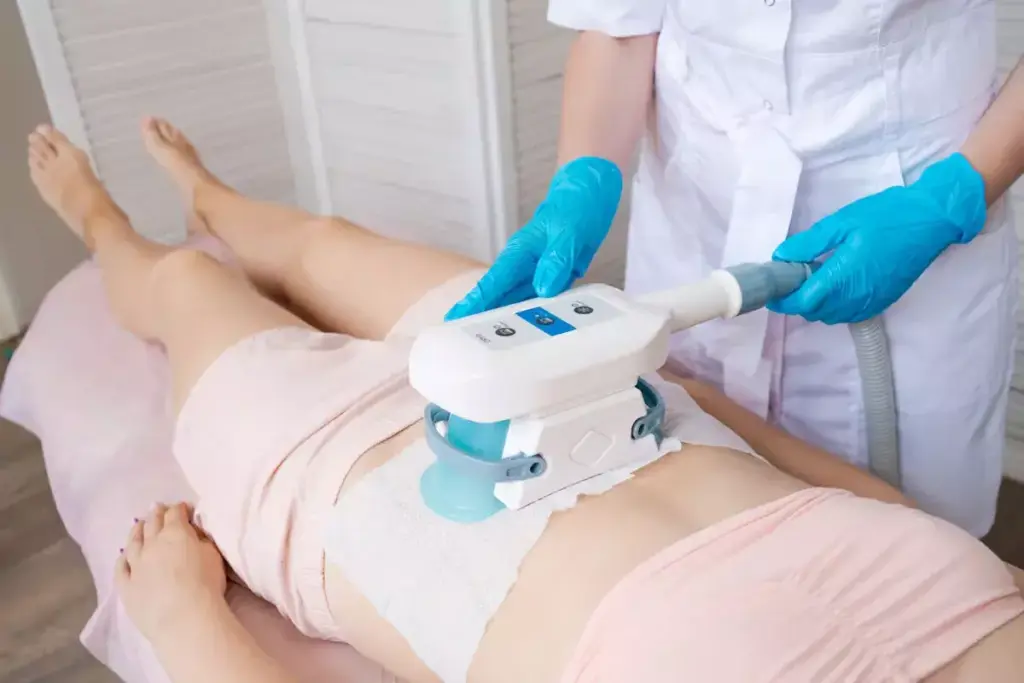
Fat removal methods work through fundamentally different mechanisms, which explains their varying results, recovery times, and costs. Surgical options like liposuction physically remove fat cells through suction, offering immediate, dramatic results but requiring anesthesia and recovery time. Non-invasive procedures—including laser treatments, cryolipolysis (fat freezing), and ultrasound—destroy fat cells through external energy application without incisions. These "belly fat removal without surgery" approaches trigger the body's natural elimination process over weeks, with minimal downtime but multiple sessions typically needed. "Laser belly fat removal" specifically uses thermal energy to disrupt fat cell membranes. Understanding these mechanisms helps set realistic expectations about what each method can achieve.
Advantages and Limitations of Surgical vs. Non-Surgical Options
When comparing "belly fat surgery" to non-invasive alternatives, each category offers distinct advantages. Surgical fat removal provides significant, predictable results in a single procedure, making it suitable for larger volume reduction. However, it requires anesthesia, involves recovery time, and carries surgical risks. Non-invasive body fat removal offers the advantage of no downtime, lower risk profile, and gradual, natural-looking results. However, results are typically more modest and may require multiple sessions. For those specifically seeking "laser fat removal near me," the advantage lies in precision and skin tightening effects that some laser technologies provide alongside fat reduction. The "best" approach depends entirely on your specific goals, anatomy, and tolerance for downtime.
Potential Considerations: What to Evaluate Before Choosing a Procedure
Before committing to any "belly fat removal surgery" or non-invasive treatment, several factors deserve careful evaluation. First, assess your candidacy: Are you at a stable weight? Do you have good skin elasticity? Are you healthy enough for surgery if considering invasive options? Second, research provider qualifications: For "liposuction without surgery" or other non-invasive treatments, ensure providers have proper training and experience with the specific device. Third, understand costs and value: Surgical procedures have higher upfront costs but may be one-time expenses, while non-invasive treatments might require multiple sessions. Fourth, review before-and-after photos of actual patients with similar body types to yours. Finally, schedule consultations with multiple providers to compare recommendations and ensure you feel comfortable with their approach.
Recovery and Daily Experience: What to Expect After Treatment
The recovery experience varies dramatically between surgical and non-invasive approaches. After surgical fat removal, patients typically wear compression garments, experience bruising and swelling for weeks, and need time off work. Results become visible as swelling subsides over several months. With non-invasive body fat removal, there's generally no downtime—you might return to normal activities immediately, though some treatments cause temporary redness, numbness, or tenderness. Results from methods like "laser belly fat removal" develop gradually over 8-12 weeks as the body processes destroyed fat cells. For both approaches, maintaining results requires healthy lifestyle habits, as remaining fat cells can still expand with weight gain.
Implementation Steps: Your Path to an Informed Decision
Making a confident choice about fat removal involves a systematic approach. Begin with self-assessment: Define your goals, evaluate your overall health, and consider your tolerance for downtime and cost. Next, research options available in your area, including "laser fat removal near me" and surgical providers. Schedule consultations with at least two to three qualified providers—ask about their experience, see before-and-after photos of their work, and request clear explanations of expected outcomes and risks. Compare treatment plans, including number of sessions needed, total costs, and recovery expectations. Check credentials and read reviews from verified patients. Finally, give yourself time to absorb information before committing—decisions made thoughtfully lead to greater satisfaction with outcomes.
Final Thoughts: Choosing Your Path with Confidence
Navigating the world of belly fat removal—from understanding "belly fat removal without surgery" to evaluating "liposuction without surgery" options—is ultimately about finding the approach that aligns with your body, your goals, and your values. Whether you're exploring non-invasive technologies for gradual improvement or considering surgical intervention for more dramatic change, knowledge is your most powerful tool. Start by understanding the mechanisms behind different methods, evaluate providers carefully, and go into any procedure with clear expectations about what it can and cannot achieve. With the right information and professional guidance, you can make a choice that supports both your physical goals and your overall well-being.