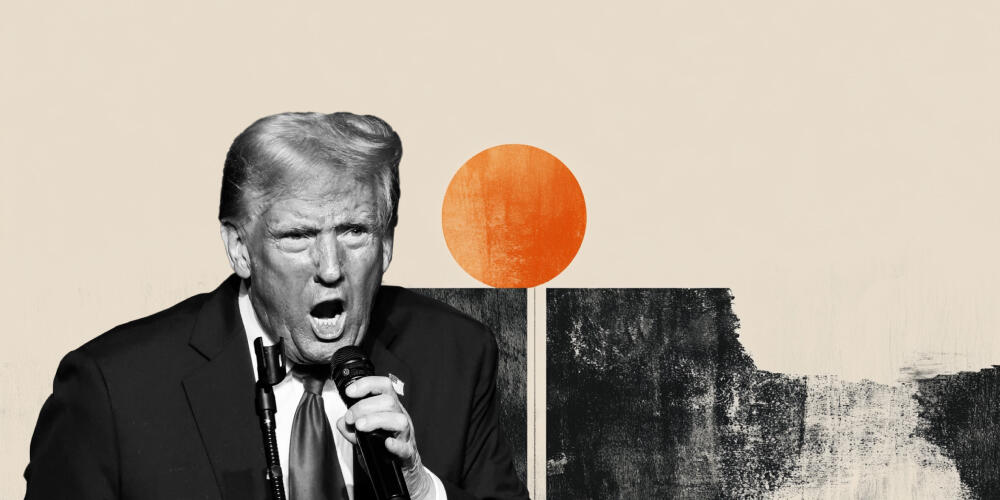
Trump calls for Congress to enact 10% credit card interest rate cap; bank stocks rise
LivestreamMenuMake ItselectUSAINTL
LivestreamSearch quotes, news & videos
LivestreamWatchlist
SIGN INCreate free accountMarketsBusinessInvestingTechPoliticsVideoWatchlistInvesting ClubPRO
LivestreamMenu
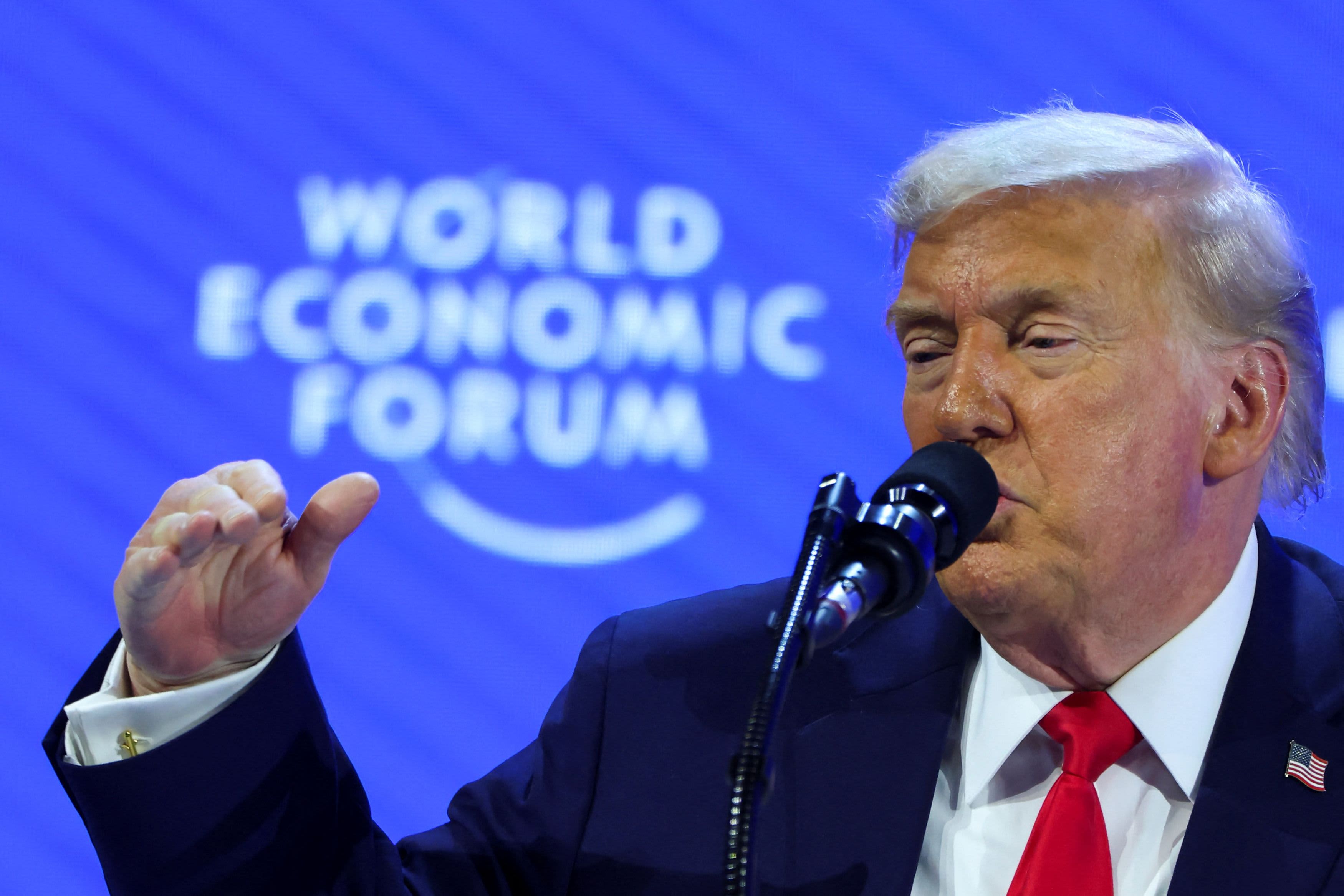
President Donald Trump on Wednesday urged U.S. lawmakers to pass legislation to limit credit card rates to 10%, following his social media post this month ordering banks to voluntarily lower their rates.
"I'm asking Congress to cap credit card interest rates at 10% for one year, and this will help millions of Americans save for a home," Trump said from the World Economic Forum in Davos, Switzerland.
"They charge Americans interest rates of 28%, 30%, 31%, 32%," Trump said. "Whatever happened to usury?"
Shares of banks climbed after the comments. The KBW Bank Index rose 2.2% in morning trading. Capital One, which relies on cards for most of its revenue, advanced 1.9%.
Among the options that the Trump administration had for applying pressure to American banks over card rates, the legislative path may be the least threatening to the industry. Sens. Josh Hawley, R-Mo., and Bernie Sanders, I-Vt., introduced a bill last year that would limit card APRs at 10% for five years, but that proposal has stalled in Congress.
Analysts including Sanjay Sakhrani of KBW have said it is unlikely that a card bill will have enough bipartisan support to become law. Lawmakers from Trump's own Republican Party, including House Speaker Mike Johnson, have expressed caution when it comes to card price controls.
"If this is the path, the odds of implementation are low," Sakhrani said in an interview. "There is a lot of Republican leadership that opposes the idea" and other industries, including airlines and retailers, would be hurt by the policy.
It's unclear whether pressure from Trump — who holds massive sway among GOP lawmakers — will improve the plan's chances of passing.
The episode may show the limits of Trump's ability to cajole the financial industry into voluntarily giving up billions of dollars in revenue to support his election year affordability push.
After Trump's Jan. 9 Truth Social post on the rate cap, banks said on earnings conference calls that such a limit would have unintended consequences, including that lenders would simply cancel accounts for many card customers, especially those with lower credit scores.
The president told reporters that lenders who didn't comply on rates will be "in violation of the law," but behind closed doors, bankers countered that they were already compliant with the law.
Privately, bankers and their lobbyists told CNBC they hoped to fend off the president's request, given the difficulty of passing legislation.
Several large credit card lenders contacted by CNBC on Tuesday said they had made no changes to their interest rates, but they all declined to be identified. KBW's Sakhrani said he wasn't aware of any major card player that cut its rates.
On Wednesday, JPMorgan Chase CEO Jamie Dimon told a Davos audience that the U.S. government should test out the rate cap in just two states, Vermont and Massachusetts. Those are the home states of Sanders and Democratic Sen. Elizabeth Warren, who have both championed interest rate caps.
Doing so would teach "a real lesson" to those in favor of price controls, Dimon said.
"It would be an economic disaster," Dimon said. "In the worst case, you'd have a drastic reduction of the credit card business" for 80% of Americans, he said.
Got a confidential news tip? We want to hear from you.
Sign up for free newsletters and get more CNBC delivered to your inbox
Get this delivered to your inbox, and more info about our products and services.
© 2026 Versant Media, LLC. All Rights Reserved. A Versant Media Company.
Data is a real-time snapshot *Data is delayed at least 15 minutes. Global Business and Financial News, Stock Quotes, and Market Data and Analysis.
Data also provided by