
Your Financial Lifeline: A Practical Guide to Getting Cash Now and Rebuilding Stability
Managing a financial crisis can feel overwhelming, particularly when you're already carrying debt or dealing with a negative credit history. This resource outlines essential emergency financial alternatives, important factors when selecting appropriate funding sources, and approaches for developing lasting financial stability—supporting informed choices during difficult circumstances.
What Leads People to Seek Emergency Financial Solutions
When an unexpected financial challenge arises—whether related to healthcare needs, essential vehicle repairs required for employment, or urgent household maintenance—accessing immediate funds can seem nearly impossible. This urgency often drives searches for "quick loans online" or "get cash now" as individuals desperately seek relief. Others, juggling multiple monthly payments, look toward "debt consolidation loan" options to simplify their obligations and reduce financial stress. Familiarity with emergency financial alternatives represents the initial step toward regaining control, helping you avoid rushed, expensive decisions that could compound financial difficulties over time.
The Mechanism Behind Consolidation Loans and Personal Loans
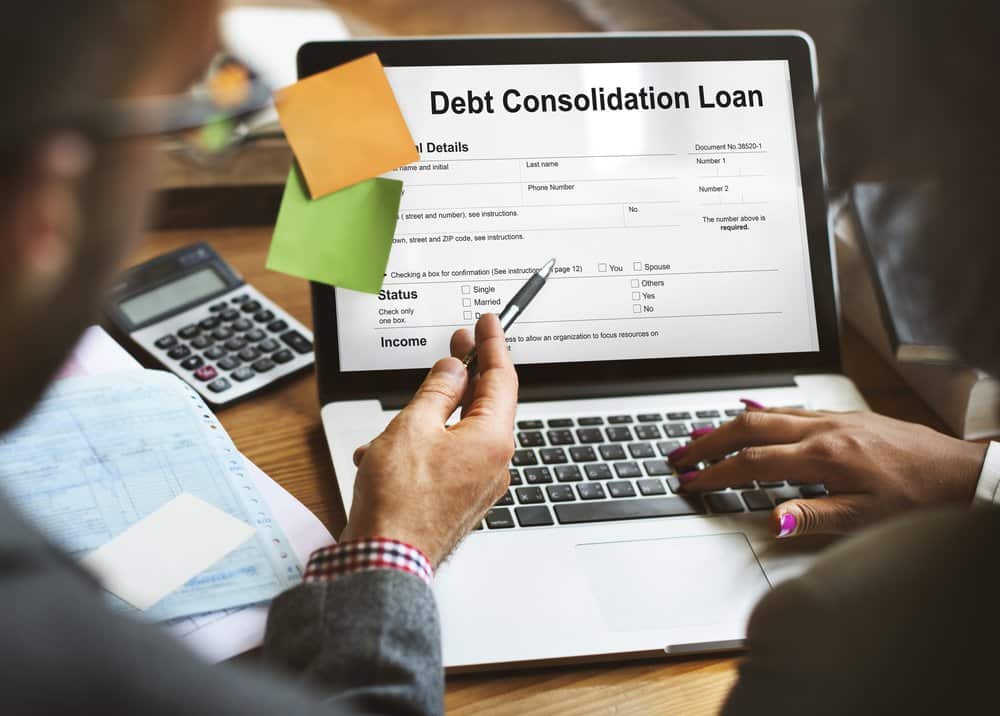
Understanding how different financial products work is essential for making informed choices. A "debt consolidation loan" is designed to combine multiple debts—such as credit card balances, medical bills, or payday loans—into a single new loan, ideally with a lower interest rate and one monthly payment. This simplifies your finances and can save money on interest over time. "Personal loans," by contrast, are typically unsecured loans that can be used for various purposes, including emergencies. When searching for "best debt consolidation loans," it's important to compare annual percentage rates (APRs), loan terms, and any origination fees, ensuring the total cost of the loan truly improves your financial situation.
Advantages of Credit Lines and Strategic Borrowing
For those needing flexible access to funds, learning "get a line of credit" can be a valuable financial tool. A line of credit functions similarly to a credit card—you're approved for a maximum amount and only pay interest on what you actually borrow. This offers flexibility for ongoing or unpredictable expenses. When used responsibly, a line of credit can also help build positive payment history. The key advantage over "quick loans online" is that you're not committing to a lump sum with fixed repayment terms unless you actually draw on the funds, providing a safety net without immediate debt obligation.
Potential Considerations: Comparing Quick Loans and Consolidation Options
When facing an urgent need to "get cash now," it's tempting to accept the first offer encountered. However, carefully evaluating options protects your long-term financial health. "Quick loans online" often come with extremely high interest rates and short repayment periods, potentially trapping borrowers in cycles of debt. In contrast, "consolidation loans" and traditional "personal loans" from reputable lenders—including credit unions and online platforms—typically offer more favorable terms, especially for borrowers with fair credit. Before committing, calculate the true cost of any loan, understand prepayment penalties, and verify the lender's legitimacy through customer reviews and regulatory records.
Recovery and Daily Experience: Building Financial Resilience
While emergency funding addresses immediate crises, taking steps toward enhanced financial stability for the future proves equally important. If you've used a "debt consolidation loan" to simplify obligations, focus on making consistent, on-time payments to improve your credit standing. Begin developing a spending plan that prioritizes essential costs while allocating modest amounts toward emergency savings—even small regular contributions accumulate meaningfully over time. As you establish positive habits with "personal loans" or lines of credit, you gradually expand access to better financial tools and more favorable terms.
Final Thoughts: Selecting Appropriate Solutions for Individual Circumstances
During emergencies, feeling overwhelmed and making hasty choices occurs easily, but dedicating time to understand available alternatives significantly impacts financial outcomes. Whether you're exploring "debt consolidation loan" options to simplify existing obligations, seeking "personal loans" for immediate needs, or learning "get a line of credit" for future flexibility, carefully examine terms, understand repayment conditions, and develop strategies for timely repayment. By following these approaches, navigating immediate crises becomes manageable while building foundations for improved long-term financial security. Your path forward begins with one thoughtful step: choosing the option that best serves both your urgent need and your future stability.