Trucking Careers in 2026: From CDL Training to Available Driving Jobs
保持发你这段文章内容整体,只是单纯检查是否符合AFS搜索套利合规内容,不合规的地方做出修改后给我,尽量减少大幅修改
Discover how to start with a 26 foot box truck non CDL, upgrade to a Class B truck license, find a trucking company that pays for CDL training, and use loadboards to secure consistent freight. Whether you are searching “get my CDL near me” or researching trucking companies hiring, today’s transportation industry offers multiple structured pathways supported by modern logistics technology and global freight networks.
Why Trucking Careers Continue to Attract New Drivers
Trucking remains one of the most accessible career paths for individuals seeking stable income and scalable growth. With ongoing driver shortages and expanding freight demand, searches for “trucking companies hiring” and “get my CDL near me” continue to rise. The appeal lies in flexible entry requirements, employer-sponsored training opportunities, and the ability to move from local driving roles into owner-operator or fleet-based operations. As logistics networks become more technology-driven, trucking now combines hands-on driving with digital freight management, making it both practical and future-oriented.
Starting With a 26 Foot Box Truck Non CDL
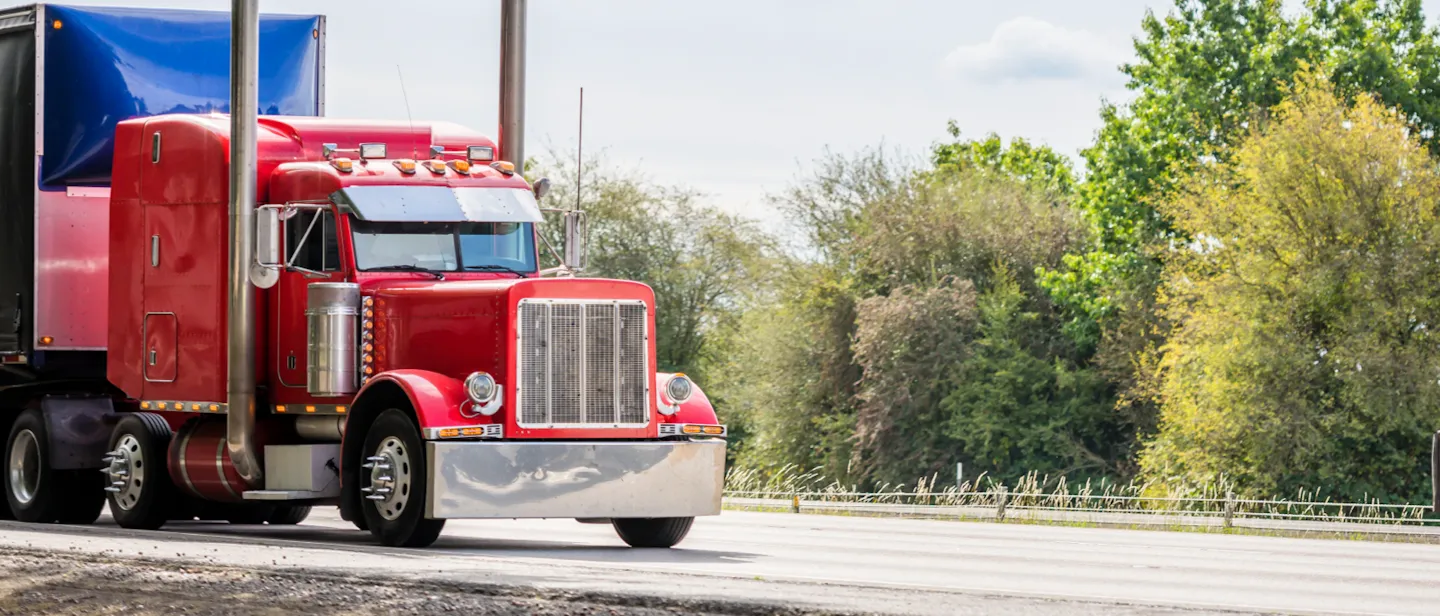
For many beginners, operating a 26 foot box truck non CDL vehicle provides a low-barrier entry into the industry. In many regions, vehicles under the commercial weight threshold do not require a CDL, allowing new drivers to begin earning through local delivery contracts, retail distribution, or last-mile freight routes. This path enables individuals to gain real-world logistics experience, understand dispatch coordination, and build operational confidence before committing to formal CDL licensing or larger commercial vehicles.
Upgrading to a Class B Truck License
Drivers looking to expand their opportunities often consider obtaining a Class B truck license. When people search “get my CDL near me,” they are typically evaluating nearby training schools, community college programs, or company-sponsored academies that provide structured road and safety instruction. A Class B truck license allows operation of larger straight trucks and certain commercial vehicles, opening access to regional freight, municipal contracts, and higher-paying routes while remaining more accessible than a full Class A certification.
Finding a Trucking Company That Pays for CDL
For individuals concerned about upfront training costs, securing a trucking company that pays for CDL certification can provide a direct and affordable entry into commercial driving. These programs typically cover tuition expenses in exchange for a structured employment agreement, allowing drivers to transition from training into guaranteed job placement. This model reduces financial risk while offering mentorship, income stability, and practical experience immediately after licensing.
Trucking Companies Hiring Across Different Experience Levels
Freight carriers across regional, intermodal, and distribution networks continue to advertise trucking companies hiring for both entry-level and experienced roles. Employers increasingly look for drivers who understand electronic logging systems, digital dispatch platforms, and route optimization tools, reflecting the modernization of the transportation sector. Whether starting with a non-CDL box truck or holding a Class B license, candidates who demonstrate reliability and adaptability often find steady demand across multiple freight categories.
Using Loadboards to Secure Consistent Freight
Independent drivers and small fleet operators depend on loadboards to maintain steady revenue and reduce downtime. Digital freight platforms allow carriers to view shipment listings, compare available routes, and connect directly with brokers, improving load matching efficiency. By strategically using loadboards, owner-operators can minimize empty miles, negotiate competitive rates, and maintain predictable weekly income, which becomes critical when transitioning from employee driver to independent contractor.
Expanding Into Modern Transportation and Logistics Solutions
As trucking operations grow beyond single-vehicle work, technology becomes central to efficiency and scalability. Transportation technology providers such as Zebra Technologies support fleet visibility, warehouse automation, and asset tracking systems that improve operational control. At a larger scale, integrated logistics providers such as Maersk deliver end-to-end cargo transportation and supply chain management solutions for businesses moving freight regionally and globally. For drivers and small operators aiming to scale, understanding these systems is essential to remaining competitive in a technology-driven logistics environment.
Taking the Next Step in the Trucking Industry
Whether you begin with a 26 foot box truck non CDL, pursue a Class B truck license, search for a trucking company that pays for CDL training, or rely on loadboards for independent freight, trucking offers structured growth pathways. By combining licensing advancement, strategic employer selection, and adoption of modern transportation solutions, individuals can transition from entry-level driving into long-term, scalable logistics careers.