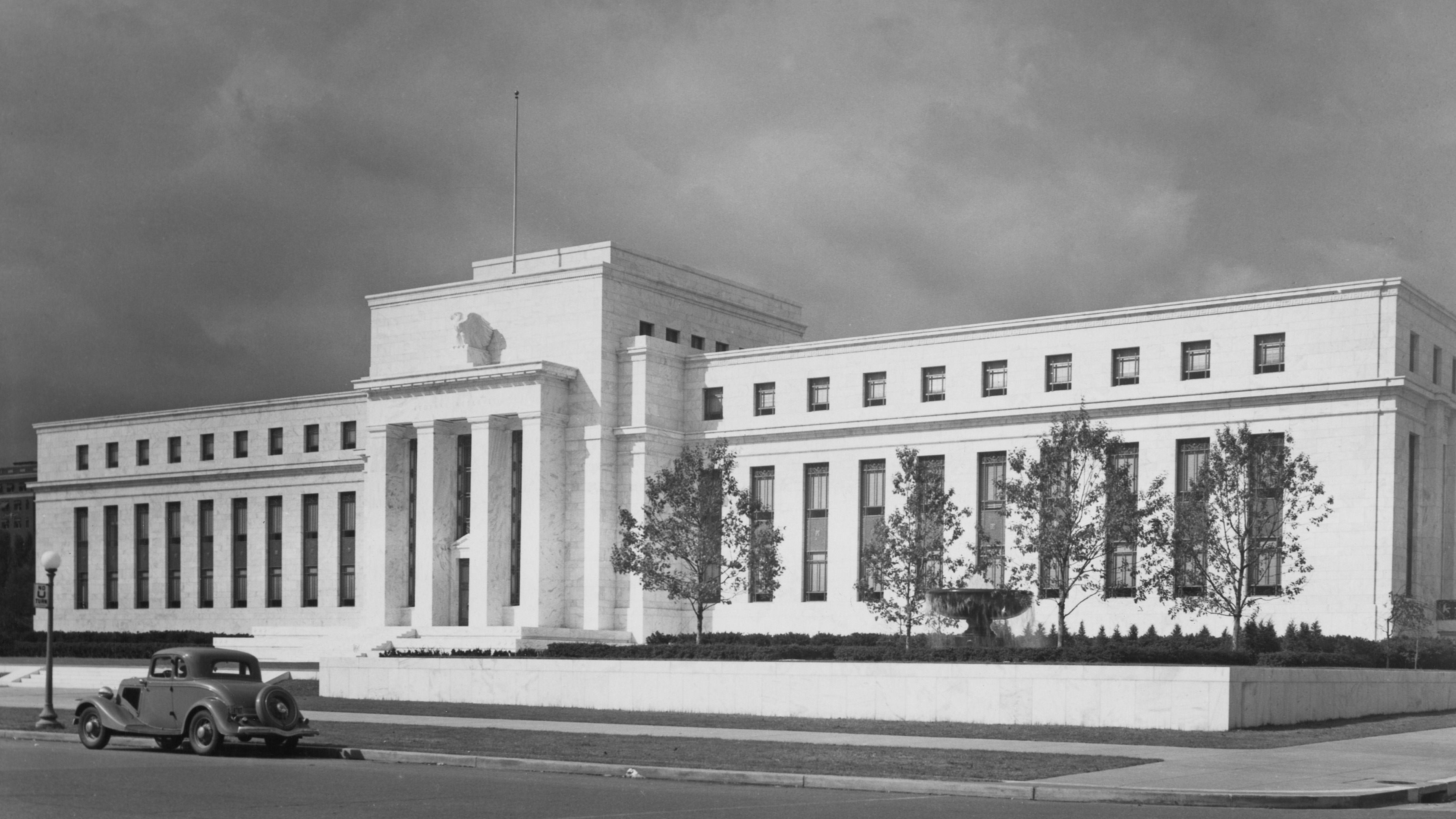
November consumer prices rose at a 2.7% annual rate, lower than expected, delayed data shows
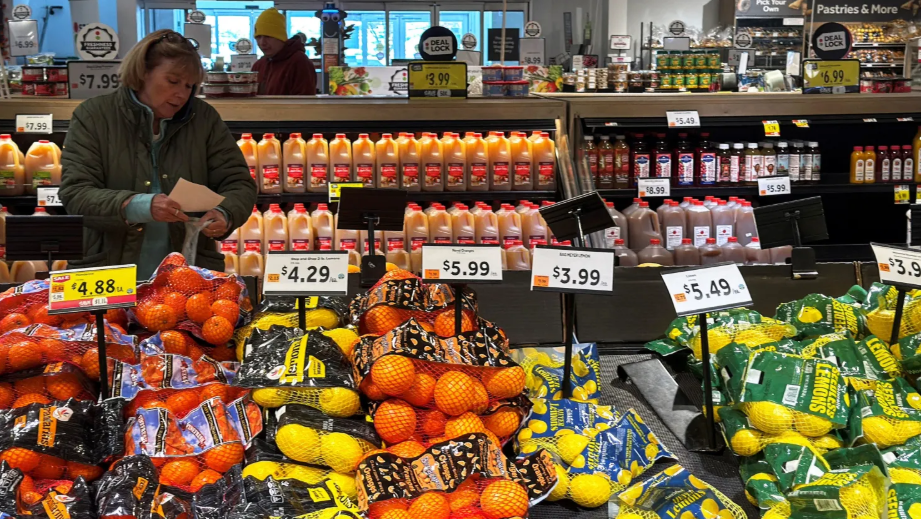
People shop for groceries at a store in Port Washington, New York, U.S., Nov. 19, 2025.
U.S. inflation rose less than forecast in November, with the consumer price index increasing at an annualized rate of 2.7%—below the 3.1% economists had anticipated. The delayed report, the first to account for disruptions caused by the October government shutdown, signaled moderating price pressures and lifted market expectations for earlier Federal Reserve rate cuts.
Core CPI, which excludes food and energy, also came in cooler at 2.6% year-over-year, compared to estimates of 3%. Both headline and core indexes rose 0.2% monthly, below the projected 0.3% gains. Shelter costs—a persistent inflationary driver—increased 3% annually, showing progress toward the Fed’s 2% target.
Market Reaction: Stocks Rally, Rate Cut Odds Rise
Investors welcomed the data as a sign that the Fed may have more room to ease policy. S&P 500 futures rose about 0.5%, poised to break a four-day losing streak, while Treasury yields declined, with the 10-year note yield falling to around 4.11%. Traders increased bets on a March rate cut, with the CME FedWatch tool showing a 58.3% probability, up from 53.9% the previous day.
“A tame CPI will reinforce the Fed is focused on protecting the employment market,” said Fundstrat’s Tom Lee, suggesting a “Fed put” is now in place to support economic stability. However, economists caution against overinterpreting the report due to missing October data and unusual collection methods during the shutdown.
Implications for Monetary Policy
The Fed has already cut rates three consecutive times this year, and November’s softer inflation figures may encourage a more dovish tilt in early 2026. While a January cut remains unlikely, the data reinforces the view that the central bank’s priority is balancing inflation control against emerging labor market weaknesses.
As the Fed navigates this delicate balance, November’s report offers a cautiously optimistic signal that price pressures are receding—potentially paving the way for additional easing if trends hold into the new year.