Higher costs weigh on Americans' holiday shopping plans this year: CNBC survey
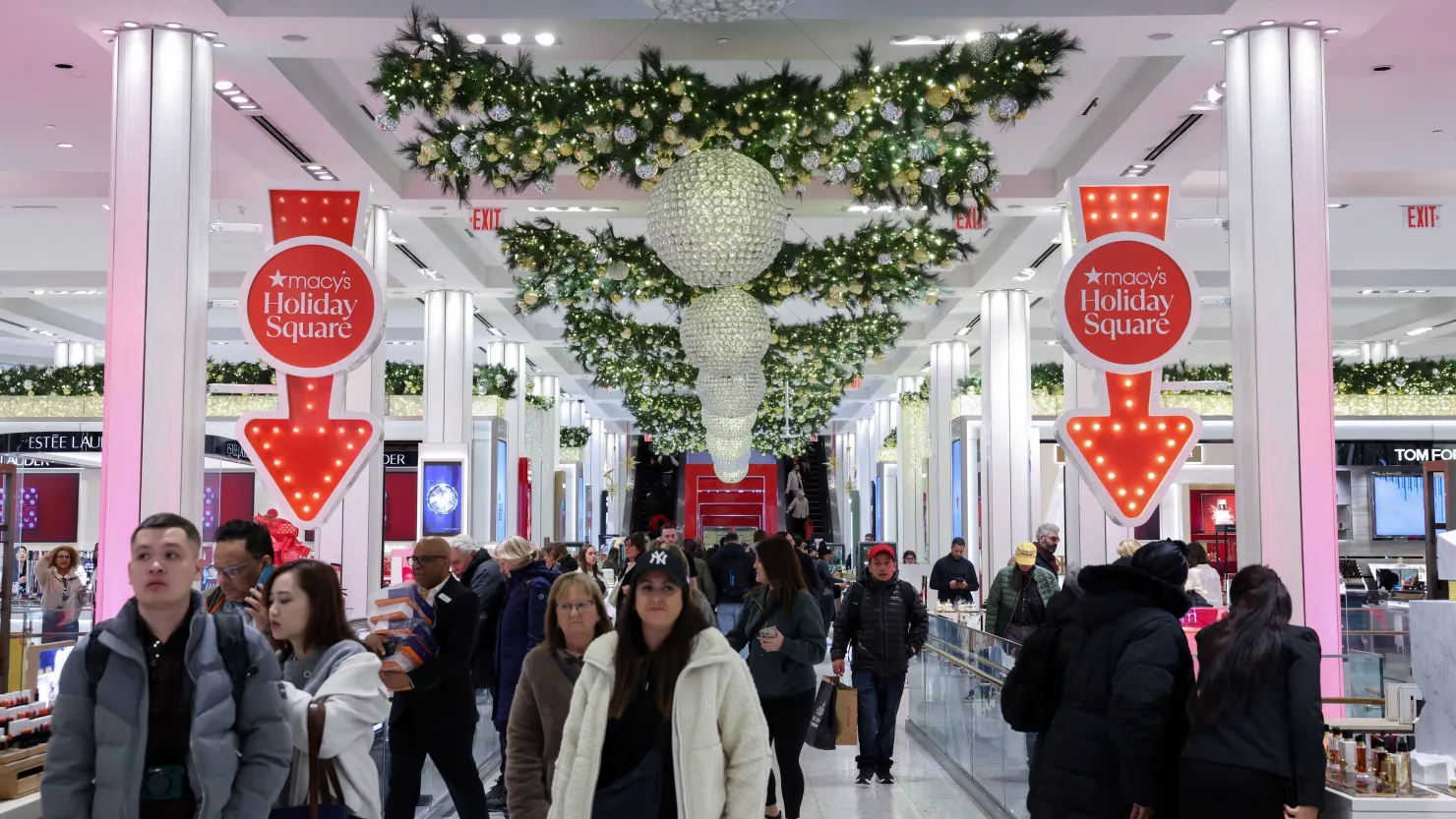
People shop in Macy’s Herald Square ahead of Black Friday and Christmas in New York City, U.S., Nov. 24, 2025.
As persistent inflation continues to strain household budgets, new data reveals a cautious and calculated approach to holiday spending among American consumers this season. Nearly 80% of Americans report feeling the pinch of higher prices, leading four in ten to plan on spending less overall, according to the CNBC|SurveyMonkey 2025 Small Business Saturday Survey.
The survey, conducted in mid-November among over 2,000 U.S. adults, indicates that gift-giving is taking the hardest hit. Among those cutting back, 60% plan to reduce spending on gifts for others. Nearly half also intend to dine out less and spend less on self-gifts, big-ticket items, and entertainment.
Shifting Shopping Patterns and Deal Days
While the vast majority (82%) still plan to shop for the holidays, their timing is changing. An equal percentage (82%) intend to do the bulk of their spending outside the traditional Thanksgiving weekend rush. Major promotional events like Black Friday (45%) and Cyber Monday (39%) remain draws, but only 15% of shoppers now rely on them for most of their purchases.
The data also points to challenges for smaller retailers. Although nearly a quarter of Americans plan to shop on Small Business Saturday, participation is hampered by a lack of local awareness (cited by 41% of non-participants) and perceived higher prices compared to large retailers (cited by 25%).
Strategic Savings and Generational Squeeze
To manage costs, nearly half of respondents say they will cut spending on non-essentials, while a third will rely more on coupons and loyalty programs. Notably, budgeting is emerging as a key tool, especially for younger consumers: 17% of all shoppers have set a holiday budget, with Gen Z and millennials significantly more likely to employ this strategy.
"This offers further evidence that this group is being squeezed more than others in the current economic climate," the survey analysis notes. The findings highlight a generational divergence in financial resilience and planning tactics.
On trade policy, the impact of tariffs appears neutral in aggregate: 40% of Americans say tariffs will cause them to spend less, while 39% report no impact—suggesting that broader inflationary pressures, rather than any single policy, are the dominant force reshaping consumer behavior this season.
Recent
News



Newsletter
Subscribe to our mailing list to get the new updates!

Subscribe our newsletter to stay updated
Most
Reviews
Markets

Business
Markets

- Thu, 15 Jan 2026
USD/INR expects cautious start on Friday as Oil price cools down
More News

Markets