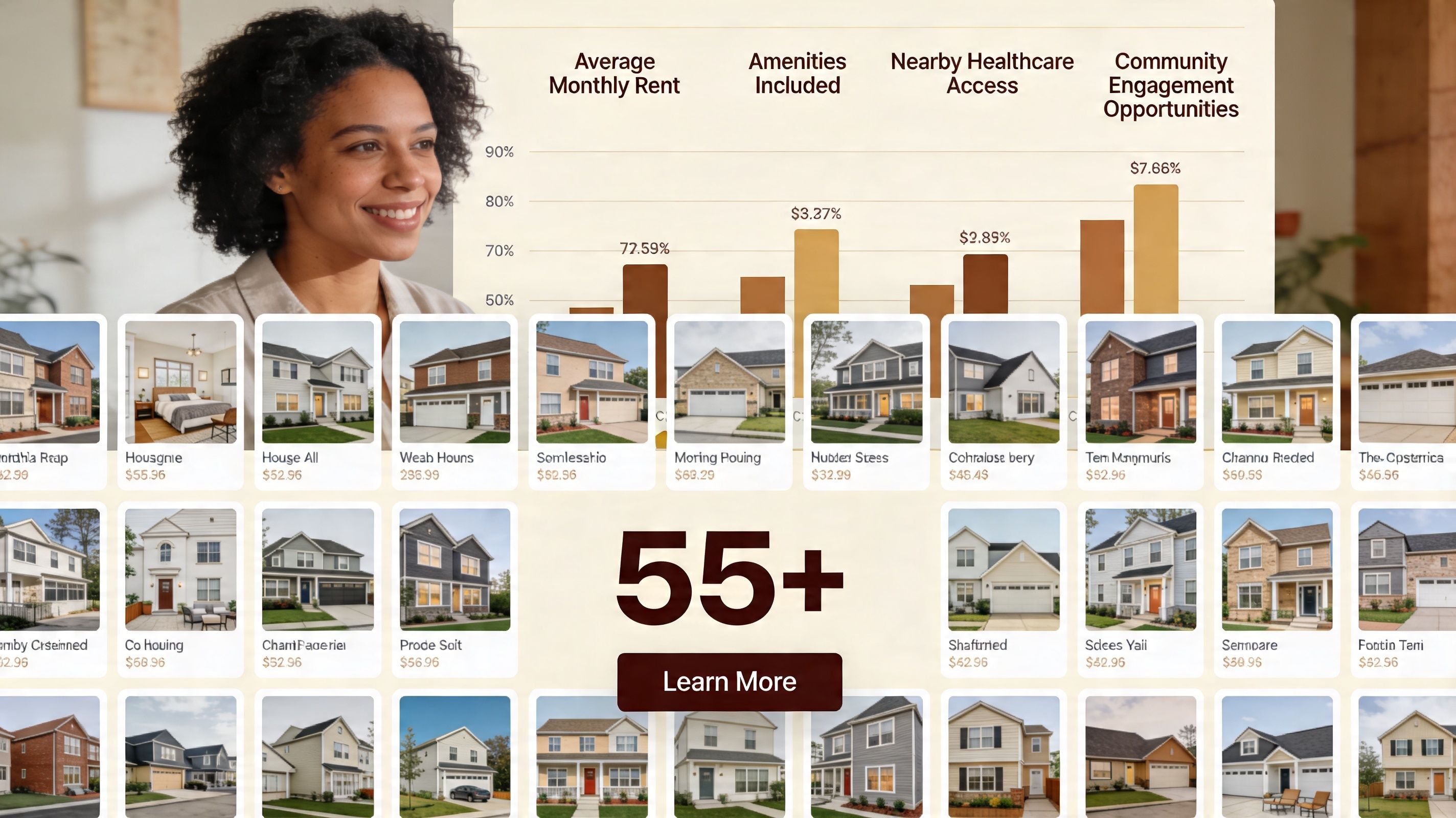
Finding 55+ Housing Near You: A Practical Guide to Senior Apartments and Luxury Rentals
Introduction: This article helps readers understand how to find 55 plus housing near them, including both traditional senior apartments and upscale rental options. With a mix of practical steps and local resources, you can compare offerings, assess costs, and identify trustworthy sources for free home valuations. The goal is to empower you to make an informed choice that aligns with your lifestyle, budget, and health needs.
Why 55+ housing matters: As life trajectories shift—with changes in mobility, social networks, and daily routines—having a home that supports independence while offering community can improve overall well-being. In many locales, you will find a spectrum from independent senior apartments to luxury rentals that include concierge services, maintenance, and amenities designed for comfort and safety. This article focuses on practical ways to locate these options nearby, including evaluating costs and using local resources to access free home appraisal services that may help you plan ahead.

Core Theme: 55+ Housing Near You
The central topic is locating appropriate housing within your radius, balancing proximity to family, healthcare, and daily conveniences with living environment considerations such as safety, noise, and social opportunities. Start by mapping your preferred neighborhoods and noting distance to clinics, groceries, and public transit. Use search queries like 55+ housing near me, senior apartments near me, or over 55 housing near me to gather options from builders, managers, and real estate portals. In many places, municipalities offer senior housing directories that list certified communities with contact details and floor plans. The first decision is between a dedicated 55+ community and an upscale apartment with age-restricted eligibility. Both can offer maintenance support, security features, and social events; the difference often comes down to budget and the level of included services.
Subtopic: Senior Apartments vs Luxury Rentals
Senior apartments typically emphasize accessibility, predictable monthly costs, and community programming. Luxury rentals, while potentially more expensive, may provide higher-end finishes, modern amenities, and enhanced service levels. When comparing, consider facility size, parking availability, on-site staff, meal options, fitness centers, and social clubs. A concrete comparison helps you decide which path aligns with your current needs and future plans.
Subtopic: Costs, Amenities, and “Free Valuations”
Understanding cost factors is essential. Look beyond monthly rent to include utilities, property taxes, HOA or management fees, parking, and potential move-in or application fees. In parallel, explore free home appraisal or valuation services offered locally by real estate brokers, banks, or community organizations. These resources can help you plan ahead, especially if you’re considering equity release or refinancing ahead of a move. While these services are often promoted as complimentary, verify any conditions and the scope of the valuation provided. This awareness helps you compare options more accurately and avoid hidden costs.
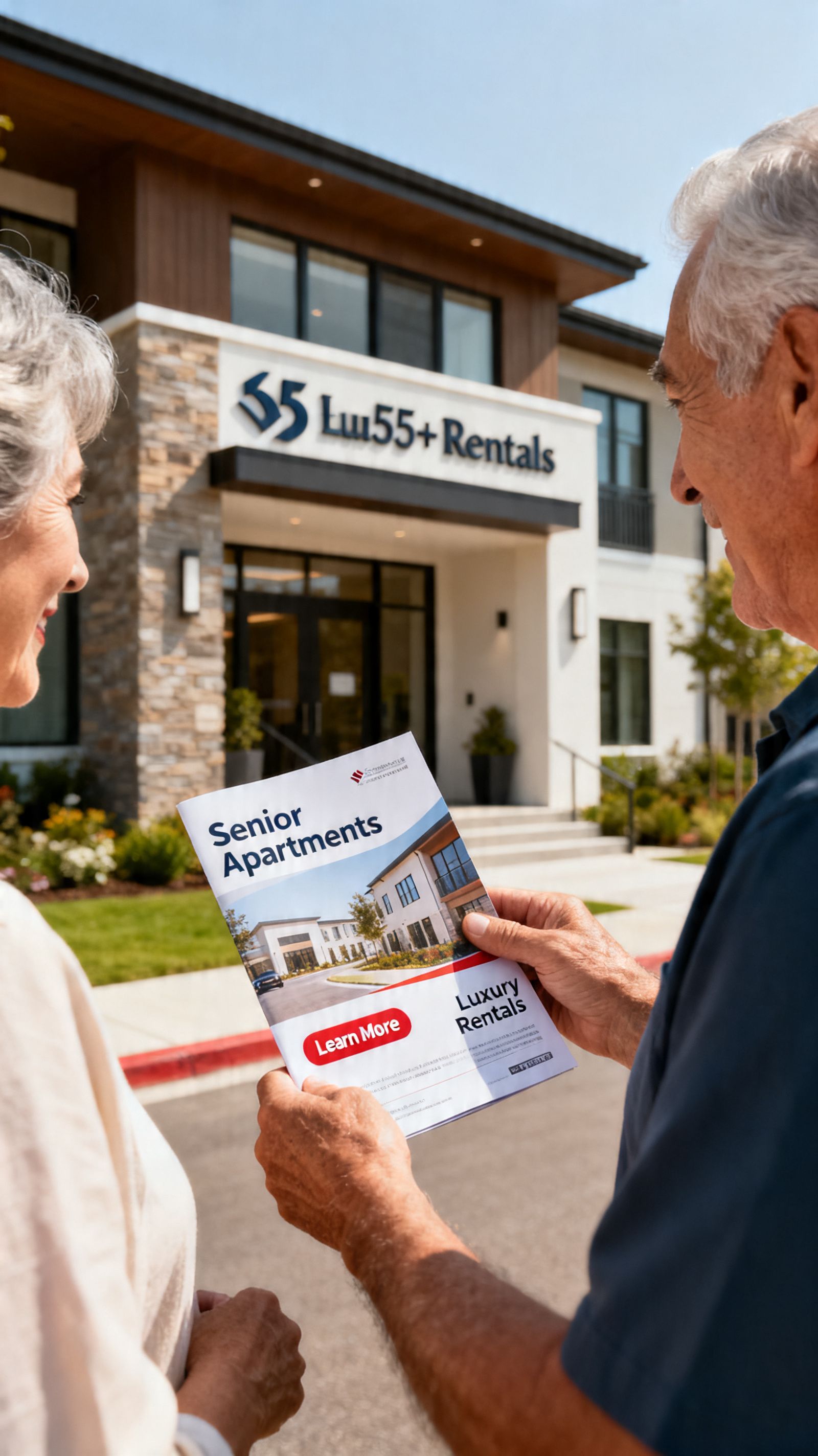
How to Start Your Search: Step-by-Step
Step 1: Define your priorities. Make a list of must-haves, nice-to-haves, and deal-breakers—location, safety features, pet policies, social activities, and access to healthcare. Step 2: Create a local map of communities that match your criteria. Step 3: Contact properties to learn about availability, current promotions, and waitlists. Step 4: Ask for a detailed cost breakdown and any additional fees. Step 5: Request a free valuation or appraisal if you are considering leveraging home equity for a move. Step 6: Compare alternatives with a simple scoring sheet and ask for guest passes or trial stays where possible.
Useful Questions and Local Resources
What questions should you ask? What is the average cost per month for utilities? Are maintenance and security included? What healthcare services are on-site or nearby? Do they offer transportation to appointments, grocery trips, or social activities? Local senior centers, area agencies on aging, and municipality housing offices are reliable places to start. They often publish guides that list affordable and upscale options, eligibility criteria, and timelines for applications. If you’re exploring a free home appraisal, ask for the scope, potential tax implications, and whether the appraisal can be used for mortgage or refinancing purposes.
Conclusion and Next Steps
With clear priorities and a structured approach, finding 55+ housing near you becomes a manageable process. Use the resources outlined here to locate senior apartments and luxury rentals that fit your lifestyle while taking advantage of any free appraisal opportunities to plan your finances. Remember to verify all terms in writing and to request a trial stay or visit to experience the community atmosphere before committing.